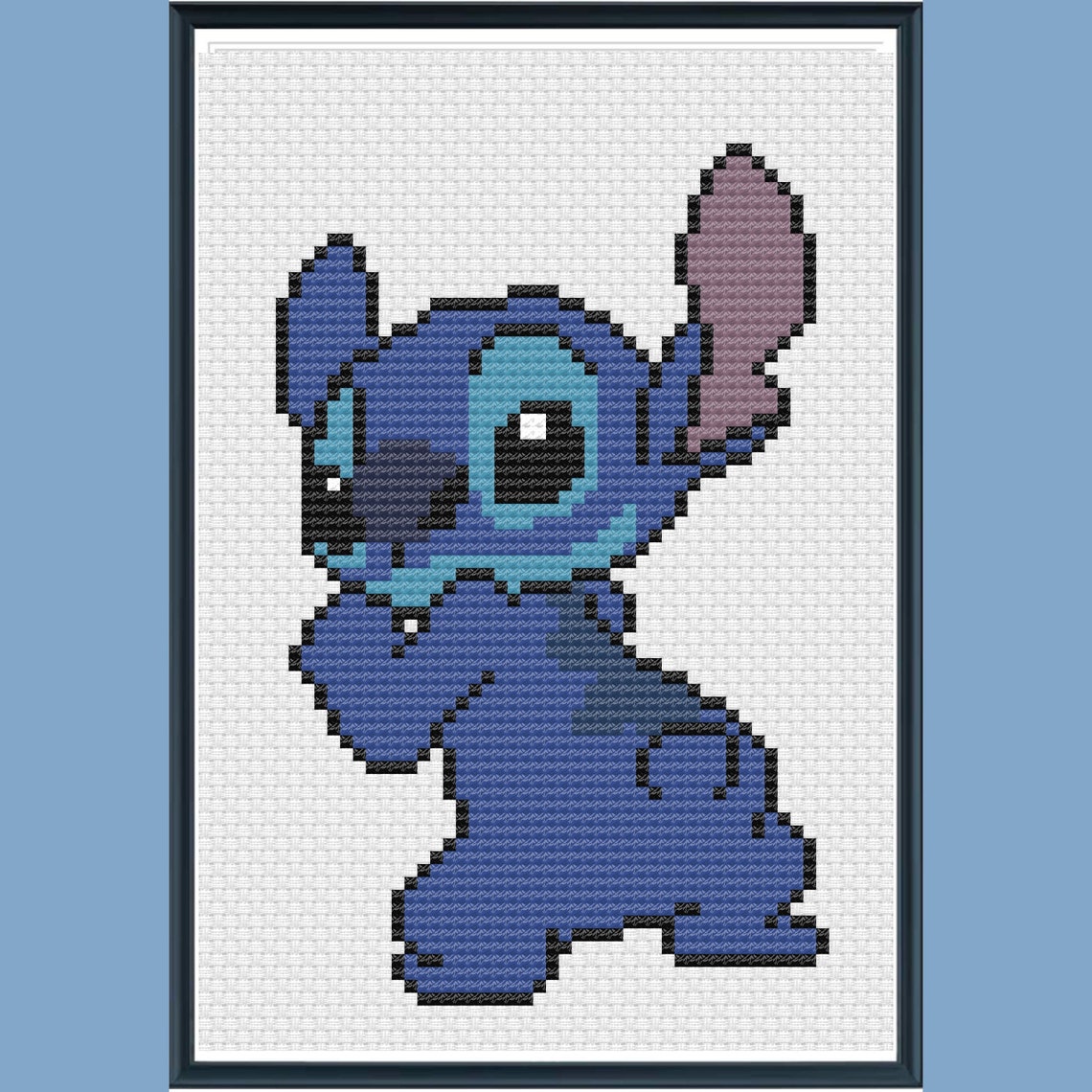
Imagine transforming a cherished photograph into a tangible piece of art, thread by thread. The meticulous process of recreating a memory, a beloved face, or a breathtaking landscape using the simple yet elegant cross stitch creates a unique, textured artwork that holds both visual beauty and deep personal meaning. The gentle rhythm of needle and thread offers a soothing escape, a chance to slow down and connect with the creative spirit.
The art of cross stitch itself boasts a rich history, with roots stretching back centuries across various cultures. From ancient samplers showcasing needlework skills to intricate tapestries adorning royal chambers, the technique has evolved and adapted, consistently offering a way to preserve stories and express artistry. Modern cross stitch draws upon this legacy, adding contemporary flair to traditional methods.
One of the most appealing aspects of this craft lies in its accessibility. Whether a complete novice or a seasoned stitcher, the basic techniques are easily learned, and the materials are readily available. The level of complexity is entirely customizable, allowing individuals to embark on simple projects or challenge themselves with more intricate designs, ensuring a fulfilling experience for every skill level.
Beyond the traditional floral patterns and geometric designs, a fascinating trend has emerged: recreating photographic images using cross stitch. This opens a vast landscape of creative possibilities, from capturing candid moments to immortalizing artistic photographs. The conversion of digital images into stitchable patterns allows for endless personalization and unique artistic expression.
This exploration will guide through the captivating journey of transforming a digital photograph into a stunning cross stitch masterpiece. From selecting the perfect image to mastering the essential stitching techniques, prepare to embark on a creative adventure that blends artistry, technology, and the enduring charm of needlework.
Image Selection
The foundation of a beautiful cross stitch representation of a photograph lies in the initial selection of the image itself. It’s more than just choosing a favorite picture; it’s about considering how well that image will translate into the medium of thread and stitches. The nuances of light, shadow, and detail within the chosen photograph dictate the final impact of the stitched artwork.
-
Contrast and Clarity
Images boasting strong contrast between light and dark areas tend to translate exceptionally well into cross stitch. Clear, well-defined details prevent muddiness and ensure recognizable features in the finished piece. For instance, a portrait with strong shadows highlighting facial features will generally yield a more striking cross stitch than a flatly lit image. Avoid photos with excessive blur or heavy digital filters, as these can obscure details crucial for accurate rendering in stitches.
-
Color Palette
Consider the color range within the photograph. Images with a limited, harmonious color palette are often easier to convert into a manageable cross stitch pattern. A photograph bursting with a kaleidoscope of hues can become challenging to translate accurately without an overwhelming number of thread colors. Think about how the subtle gradations of color will be represented using discrete shades of floss; a sunset photo, for example, might require careful selection of similar yet distinct orange, pink, and purple threads.
-
Subject Matter
Certain subjects lend themselves more naturally to cross stitch than others. Portraits, landscapes, and still life images with clearly defined shapes and textures often prove more successful. Intricate scenes with a lot of small, busy details can become visually cluttered when translated into the limited resolution of a cross stitch pattern. Focus on the core subject and its most defining characteristics. For example, a single flower in sharp focus against a blurred background might create a visually compelling and manageable cross stitch project.
-
Emotional Connection
Beyond the technical aspects, the image should hold personal significance. Whether it’s a cherished memory, a beloved pet, or a breathtaking landscape, the emotional connection to the photograph will fuel the dedication and patience required for a cross stitch project. The act of stitching becomes a meditative process of recreating something personally meaningful, enhancing the joy and satisfaction of the finished artwork. Choose an image that resonates deeply, transforming a simple craft into a labor of love.
The image selection process is therefore a delicate balance of technical considerations and personal resonance. The photograph chosen will ultimately determine the character and impact of the finished piece, so thoughtful selection is paramount. A poorly chosen image can lead to frustration and a disappointing result, while a well-selected photograph unlocks the potential for a truly stunning and emotionally rich cross stitch creation.
Pattern Conversion
At the heart of transforming a cherished photograph into a cross stitch masterpiece lies the intricate process of pattern conversion. This crucial step bridges the gap between a digital image and a stitchable design, dictating the final level of detail, color accuracy, and overall visual impact. A well-executed conversion is the key to unlocking the full potential of a photo-based cross stitch project.
-
Software Solutions
Numerous software programs are designed to automatically convert digital images into cross stitch patterns. These programs analyze the image, reduce the color palette, and create a grid-based chart indicating the placement of each stitch. While offering convenience, the quality of the resulting pattern varies significantly depending on the software’s algorithms and user settings. Careful parameter adjustments, such as the number of colors and grid size, are often necessary to optimize the pattern for clarity and stitchability. The popular softwares have varying algorithm when used for stitch a photo cross stitch for the image.
-
Manual Gridding
For those seeking greater control and precision, manual gridding offers a more hands-on approach. This involves overlaying a grid onto the photograph and manually assigning a thread color to each grid square based on the corresponding pixel’s color. This method allows for careful refinement of details and artistic interpretation, resulting in a more personalized and nuanced cross stitch pattern. Manual gridding is particularly well-suited for images with sentimental value or those requiring intricate color blending.
-
Color Reduction
Photographs often contain a vast spectrum of colors, far exceeding the practical limitations of available thread shades. Pattern conversion necessitates a careful reduction of the color palette, grouping similar hues into representative thread colors. The effectiveness of this reduction directly impacts the realism and depth of the final cross stitch. Sophisticated conversion methods employ dithering techniques to simulate subtle color gradations using strategically placed stitches of different colors, enhancing the visual richness of the finished piece and impacting the stitch a photo cross stitch result.
-
Grid Size and Detail
The chosen grid size, typically measured in stitches per inch or centimeter, determines the level of detail captured in the cross stitch pattern. A finer grid allows for greater resolution and more accurate reproduction of intricate details, but also requires significantly more stitching time and floss. Conversely, a coarser grid simplifies the stitching process but sacrifices finer details, potentially leading to a more stylized or abstract representation. The optimal grid size depends on the complexity of the image, the desired level of realism, and the stitcher’s personal preferences.
Ultimately, the art of pattern conversion is a delicate balance between technical precision and artistic interpretation. Whether relying on automated software or embracing the hands-on approach of manual gridding, the goal remains the same: to translate the essence of a photograph into a stitchable design that captures its beauty, emotion, and lasting appeal. A successful pattern, in turn, lays the groundwork for a fulfilling and visually stunning “stitch a photo cross stitch” project.
Thread Palette
The careful selection of a thread palette stands as a cornerstone in the captivating art of photograph-based cross stitch. It is the bridge between a digital image’s hues and the tangible world of embroidery floss, breathing life and depth into the stitched interpretation. The thread palette not only dictates the accuracy of color reproduction but also contributes significantly to the overall aesthetic and emotional resonance of the finished piece, especially for stitch a photo cross stitch.
-
Color Harmony and Realism
A well-chosen thread palette strives to mirror the colors present in the original photograph as closely as possible. Achieving realistic skin tones, capturing the subtle gradations of a sunset, or replicating the vibrant hues of a flower requires a diverse range of thread colors that blend seamlessly together. Imagine rendering a portrait; the success hinges on selecting threads that accurately depict the subject’s complexion, from the rosy flush of the cheeks to the subtle shadows defining their features, stitch a photo cross stitch is depending on it.
-
Thread Texture and Sheen
Beyond color, the texture and sheen of the embroidery floss contribute to the overall visual effect. Matte threads create a soft, understated look, while threads with a slight sheen can add a touch of luminosity and dimension. The choice of thread texture can influence the perceived depth and realism of the stitched image. For example, using a matte thread for a landscape scene might evoke a sense of natural earthiness, while a subtly shimmering thread could enhance the ethereal quality of a portrait, which is an important aspect of stitch a photo cross stitch.
-
Limited Palette Considerations
Constraints in the availability of thread colors may necessitate creative compromises. Skillful stitchers often employ techniques such as blending different thread colors together or using fractional stitches to simulate intermediate hues. Embracing a limited palette can foster a unique artistic style, emphasizing the interplay of light and shadow to convey form and emotion. This limitation can allow stitch a photo cross stitch art to explore styles such as monochromatic or duotone.
-
Emotional Impact of Color
Colors evoke emotions and set the mood of the stitched piece. Warm colors like reds, oranges, and yellows convey energy, passion, and joy, while cool colors like blues, greens, and purples evoke tranquility, serenity, and introspection. Deliberately selecting a thread palette that aligns with the desired emotional tone can enhance the storytelling power of the cross stitch. For instance, a vintage photograph stitched in muted sepia tones might evoke a sense of nostalgia and timelessness which is great for stitch a photo cross stitch.
The thread palette, therefore, is more than just a collection of colors; it is a carefully curated selection of hues and textures that shape the visual and emotional impact of the finished cross stitch. By thoughtfully considering color harmony, thread properties, and the emotional resonance of color, the stitcher can transform a simple photograph into a captivating work of art. The thread palette directly influences the final result of stitch a photo cross stitch.
What Youll Need
- Your Chosen Photograph: The image you’ll be transforming into cross stitch art. Make sure it’s a high-quality digital file.
- Cross Stitch Pattern: This is your roadmap! Whether generated by software or created manually, it shows you where to place each stitch.
- Aida Cloth: The fabric specifically designed for cross stitch. It has evenly spaced holes for easy stitching. Choose a count (holes per inch) that suits your pattern and desired level of detail. Common counts are 14, 16, and 18.
- Embroidery Floss: Six-stranded divisible thread used for cross stitching. Select the colors specified in your pattern. DMC and Anchor are popular brands.
- Embroidery Needle: A blunt-tipped needle with a large eye to easily thread embroidery floss. Choose a size that corresponds to the Aida cloth count.
- Embroidery Hoop or Frame: Keeps the fabric taut while stitching, preventing puckering and making it easier to create even stitches.
- Scissors or Thread Snips: For cutting floss. Small, sharp scissors are ideal.
- Needle Minder (Optional): A magnetic accessory that keeps your needle from getting lost when you’re not actively stitching.
- Good Lighting: Essential for seeing the fabric and pattern clearly, preventing eye strain.
- Magnifying Glass (Optional): Helpful for stitching on high-count Aida cloth or for those with vision challenges.
- Thread Organizer (Optional): A bobbin box or floss organizer to keep your threads neatly sorted and prevent tangling.
Preparation Tips
Prepare Your Fabric: Before you begin, find the center of your Aida cloth by folding it in half lengthwise and then widthwise. Mark the center point with a pin. This is typically where you’ll start stitching. Consider serging or taping the edges of your Aida cloth to prevent fraying during the project.
Organize Your Threads: Cut lengths of floss (about 18 inches is manageable) and separate the strands. Most cross stitch is done with two strands of floss. Label your floss with the corresponding symbol or number from your pattern to avoid confusion. Use a thread organizer to keep your floss neatly sorted and tangle-free.
Set Up Your Workspace: Choose a well-lit and comfortable area. Ensure you have enough space to spread out your pattern, floss, and other supplies. Proper posture is crucial to prevent back and neck pain during long stitching sessions. Take frequent breaks to stretch and rest your eyes.
Step-by-Step Instructions
Step 1
Begin by finding the center of your Aida cloth. Gently fold the fabric in half lengthwise and then widthwise, pressing lightly to create a crease. The intersection of these creases marks the center point. Mark this point with a pin or a water-soluble marker this is where you’ll begin stitching, especially useful for stitch a photo cross stitch projects to center the image.
Step 2
Cut a length of embroidery floss, approximately 18 inches long, especially when starting stitch a photo cross stitch. Separate two strands from the six-strand floss. Thread the two strands through the eye of your embroidery needle. If you’re having trouble, try folding the floss over a thin piece of paper to stiffen the end. Once threaded, pull the floss through so that the ends are even, a important element to stitch a photo cross stitch.
Step 3
There are several ways to secure the floss at the beginning of your stitching. A common method is the “loop start.” For this, fold the two strands of floss in half, creating a loop at one end. Thread the open ends through the needle. Bring the needle up from the back of the fabric at your starting point. Then, bring the needle down into the fabric, leaving a small loop at the back. Thread the needle through the loop and gently pull tight to secure the floss. Alternatively, you can leave a small tail of floss at the back and weave it in as you stitch over it, a good practice for stitch a photo cross stitch. Avoid using knots, as they can create bulk and be visible on the front.
Step 4
Refer to your pattern. Each square on the pattern corresponds to one cross stitch on the Aida cloth, vital for stitch a photo cross stitch. Bring your needle up through one corner of the square. Then, bring it down diagonally across to the opposite corner to create a half stitch (/). To complete the cross, bring the needle up through one of the remaining empty corners and down through the last empty corner, forming an “X”. Ensure all your top stitches are slanted in the same direction for a neat and uniform look. This consistency enhances the aesthetic of stitch a photo cross stitch projects.
Step 5
Follow your pattern, carefully counting the squares to ensure accurate stitch placement. Work in rows or sections, completing all the cross stitches of one color before moving on to the next. Maintain even tension on your floss to avoid puckering or loose stitches. Regularly check the back of your work to ensure your stitches are neat and tidy. Adjusting tension is key for professional-looking stitch a photo cross stitch efforts.
Step 6
When you run out of floss or need to change colors, secure the end by weaving it through the back of several completed stitches. Trim the excess floss close to the fabric, being careful not to cut any stitches. Start a new thread following the same securing method described in Step 3. This creates a clean, professional back, vital for stitch a photo cross stitch especially if it will be framed or displayed.
Step 7
Once you’ve completed all the stitching, remove the fabric from the hoop or frame. Gently hand wash the finished piece in lukewarm water with a mild detergent, if necessary. Roll it in a towel to remove excess water, and then lay it flat to dry. Iron the piece on the reverse side on a low setting to remove any wrinkles. Now, your transformed photo stitch a photo cross stitch masterpiece is ready for framing, displaying, or gifting!
Creating a photo cross stitch is more than just a craft; it’s a journey of transforming a cherished memory into a tangible piece of art. It’s a chance to slow down, immerse yourself in a calming activity, and create something beautiful with your own hands.
The best part about stitch a photo cross stitch project is that it can be a highly personalized craft. It has a special place in the world of handicrafts. It lets you translate all your life’s unforgettable moments into a lasting artwork.
Now it’s your turn! Gather your materials, pick your favorite photo, and give this rewarding project a try. We’d love to see what you create, so please feel free to share your finished pieces with us in the comments below. We’re eager to see your stitch a photo cross stitch project.
Happy stitching!
Images References :
Image used for illustration purposes only. All rights belong to their respective owners.



