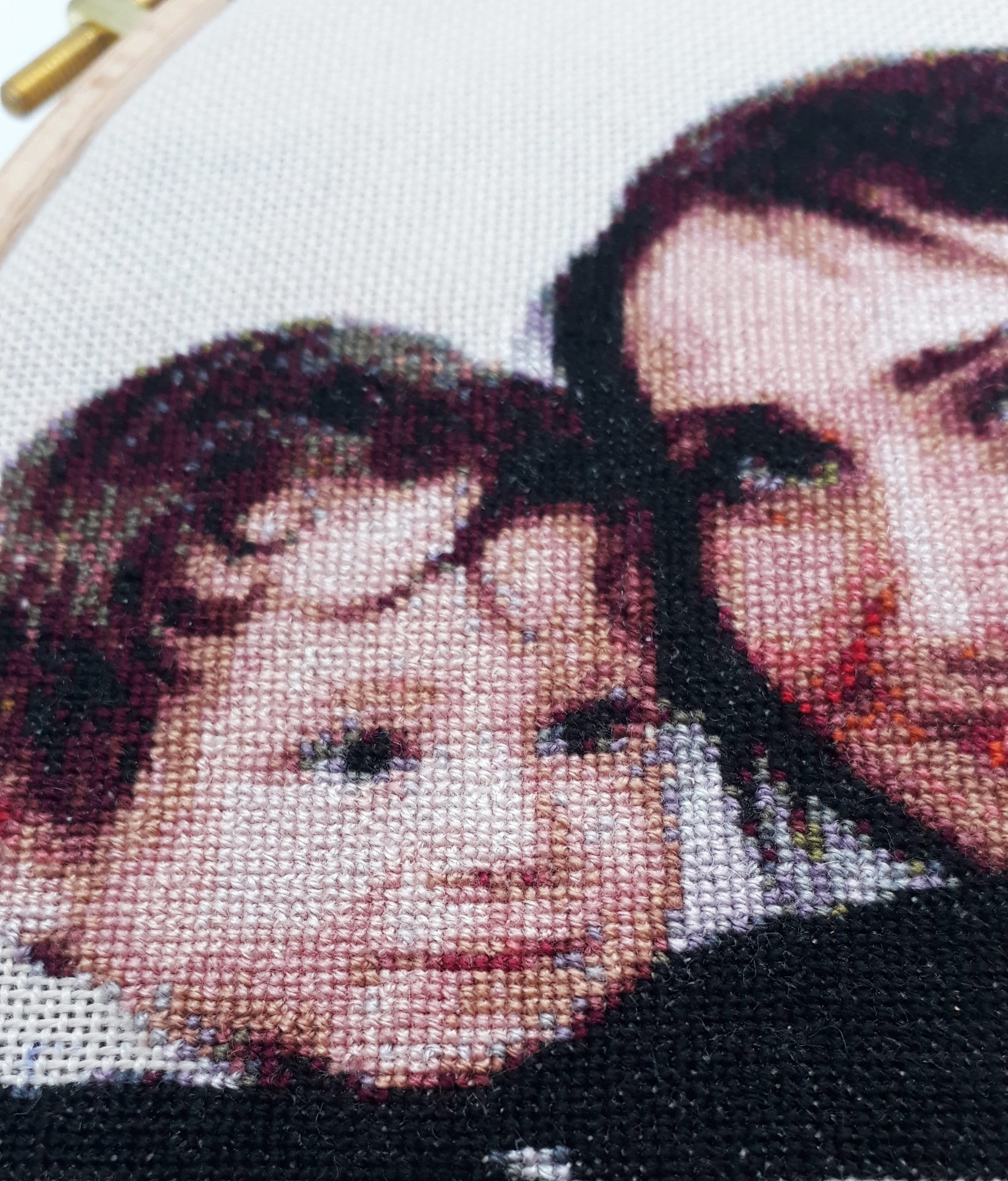
Imagine transforming cherished photographs into tangible works of art, each stitch a testament to patience and creative expression. The act of converting images into intricate designs offers a unique blend of artistic fulfillment and serene relaxation. The slow, deliberate process allows for mindful focus, as colors and textures gradually converge to recreate a treasured memory in thread.
Needlework traditions, including cross stitch, boast a rich and colorful history spanning centuries and continents. From samplers created by young women in colonial America to intricate tapestries adorning European castles, stitched textiles have served as both practical necessities and artistic statements. The enduring appeal lies in its ability to connect us to this lineage of craftsmanship, allowing us to participate in a tradition that transcends time.
The beauty of this craft lies in its remarkable accessibility. Whether a seasoned artisan or a curious beginner, the tools and techniques are easily mastered. With a basic understanding of gridded charts and a handful of essential supplies, anyone can embark on a journey of creative exploration. The straightforward nature of the process makes it an ideal activity for unwinding after a long day, fostering a sense of accomplishment with each completed row.
Contemporary interpretations of this classic craft are continually evolving. From minimalist geometric designs to vibrant, hyper-realistic portraits, the possibilities are as limitless as the imagination. Popular trends include personalized designs, incorporating names, dates, or meaningful symbols, allowing for the creation of truly unique and sentimental keepsakes. Furthermore, digital resources and online communities foster collaboration and innovation, pushing the boundaries of what can be achieved with needle and thread.
The following sections will guide you through the process of taking a photograph and bringing it to life in the form of a meticulously crafted stitched artwork. From selecting the perfect image to understanding the nuances of color palettes and thread counts, this comprehensive guide will empower you to create your own stunning textile art.
Image Selection
The journey from photograph to cross stitch design begins with the crucial step of image selection. The source image dictates the potential level of detail and overall aesthetic of the finished stitched piece. Images possessing high contrast and sharp focus are generally more suitable, as they translate more effectively into the gridded format of a cross stitch pattern. Soft, blurry, or low-resolution photographs often result in patterns that lack definition and clarity, potentially leading to a disappointing final product.
Consider, for instance, a photograph of a vibrant sunset over the ocean. An image with clearly defined layers of color in the sky and distinct silhouettes of objects on the horizon will yield a pattern with greater depth and visual appeal. Conversely, an image with a hazy or washed-out sunset, lacking strong contrast, may produce a pattern that appears muddy and indistinct. Similarly, portraits with well-defined facial features and distinct lighting will translate into more recognizable and detailed stitched representations. Selecting an image that already possesses a strong composition and inherent visual interest significantly increases the chances of creating a stunning cross stitch pattern.
In essence, thoughtful image selection is the cornerstone of successful photograph-to-pattern conversion. The clarity, contrast, and composition of the original image directly influence the quality and level of detail achievable in the final cross stitch project. By prioritizing high-quality source material, the subsequent steps in the pattern creation process become smoother and more rewarding, ultimately leading to a cherished and skillfully crafted textile artwork. Understanding this foundational principle empowers the needleworker to make informed decisions and achieve exceptional results.
Software Choice
The digital realm offers a myriad of software solutions designed to translate photographic imagery into intricate cross stitch patterns. The selection of an appropriate software package is a critical decision, impacting the precision, complexity, and overall artistry of the resulting pattern. From free online converters to sophisticated desktop applications, each program possesses unique capabilities and limitations. Understanding these nuances empowers the artist to choose the tool best suited to their skill level and desired outcome.
-
Pattern Customization
Certain software programs grant extensive control over pattern customization, enabling users to adjust color palettes, stitch types, and grid sizes. This level of control allows for fine-tuning the pattern to achieve specific aesthetic effects, such as simulating a vintage or watercolor appearance. For example, a user might reduce the number of colors to create a simpler, more graphic pattern or adjust the contrast to enhance the visibility of fine details.
-
Color Palette Management
Effective software offers robust color palette management, allowing users to select floss colors from standardized charts (e.g., DMC, Anchor) and optimize color blending for seamless transitions. Some programs even suggest alternative floss colors to match the original image more closely, particularly beneficial when working with limited floss inventories. Inaccurate color mapping can lead to a final product that deviates significantly from the original photograph’s color scheme.
-
Image Pre-processing Tools
Many software packages include built-in image pre-processing tools, enabling users to adjust brightness, contrast, and saturation levels before generating the pattern. These tools are invaluable for optimizing the image for cross stitch conversion, compensating for imperfections in the original photograph and enhancing the clarity of important details. For instance, adjusting the brightness of a slightly underexposed photograph can significantly improve the definition of facial features in the resulting pattern.
-
Pattern Preview and Simulation
Advanced software features a pattern preview and simulation function, allowing users to visualize the finished cross stitch project before stitching a single stitch. This feature provides a valuable opportunity to identify potential issues with the pattern, such as areas with excessive color clumping or insufficient detail. Users can then adjust the pattern settings and preview the results until they are satisfied with the overall appearance.
Ultimately, the choice of software is a personal one, influenced by factors such as budget, skill level, and desired level of control. By carefully evaluating the features and capabilities of various software options, the artist can select the tool that empowers them to transform cherished photographs into stunning and enduring cross stitch masterpieces. The capabilities range from simple online converters for straightforward projects to powerful desktop programs for intricate and highly customized designs. The better the software, the more closely the finished piece will resemble the original photograph, resulting in a truly personalized and treasured work of art.
Color Palette
The selection of a color palette is a pivotal moment in transforming a photograph into a cross stitch pattern. This choice dictates the emotional resonance and visual fidelity of the final piece. The photograph presents a range of colors, shades, and hues, which must be distilled into a manageable and stitchable set of floss colors. A well-considered palette captures the essence of the original image, while a poorly chosen one can result in a distorted or uninspired representation. The limited number of floss colors, compared to the continuous tones in a photograph, presents both a challenge and an opportunity for artistic interpretation.
The impact of color palette selection manifests in numerous ways. For a landscape scene, choosing a palette that accurately reflects the subtle variations in sky and foliage colors brings the scene to life. Imagine a vibrant autumn landscape; a successful cross stitch rendition necessitates careful selection of reds, oranges, and yellows to capture the warmth and intensity of the season. Conversely, using too few colors or selecting the wrong shades can flatten the image, resulting in a less dynamic and realistic depiction. For portraiture, the challenge lies in capturing skin tones accurately. Employing a range of flesh-toned flosses, along with strategic shading, helps to create a three-dimensional effect and capture the subject’s unique characteristics. The artistry lies in blending these colors to recreate the nuances of light and shadow on the face.
In essence, the color palette serves as the bridge between the photograph’s visual information and the cross stitch pattern’s expressive potential. Careful planning and thoughtful color selection are crucial for achieving a visually stunning and emotionally resonant textile artwork. While software can aid in the process of palette selection, ultimately, the artist’s discerning eye and understanding of color theory are what determine the success of the transformation. This understanding translates directly into the finished piece, elevating it from a mere reproduction to a personalized work of art that captures the spirit of the original photograph.
Fabric Count
Fabric count, often expressed as threads per inch (TPI), is inextricably linked to the final aesthetic and level of detail achievable when transforming a photograph into a cross stitch pattern. It dictates the fineness of the weave upon which the design is stitched, directly influencing the size of individual stitches and, consequently, the overall resolution of the image. A higher fabric count, such as 18-count Aida, allows for smaller stitches, enabling the reproduction of finer details and smoother color transitions. Conversely, a lower fabric count, like 11-count Aida, results in larger stitches, producing a more pixelated effect that is better suited for simpler designs with bold, blocky colors. The choice of fabric count is not merely a technical detail; it is a fundamental artistic decision that shapes the character and impact of the finished piece.
Consider a portrait: rendering it on a high fabric count yields a likeness with greater realism, capturing subtle nuances in facial features and skin tones. The finer weave allows for more stitches per square inch, effectively increasing the resolution of the stitched image and allowing the artist to blend colors with greater precision. Conversely, attempting to stitch the same portrait on a low fabric count would result in a more stylized, almost impressionistic representation, where individual stitches become more prominent and details are simplified. Another example: a landscape photograph filled with intricate foliage and distant mountain ranges. A higher fabric count will enable the stitching of individual leaves and subtle variations in the mountains texture. Choosing a lower count would lead to a more abstract representation of the same scene, potentially losing much of the original photograph’s intricate beauty. Therefore, understanding fabric count is crucial for determining the scale of the finished work, the level of detail it will portray, and the appropriate complexity of the pattern itself.
Ultimately, the selection of fabric count requires a balance between desired detail, project size, and personal preference. While higher fabric counts allow for greater realism, they also demand more stitches, leading to a larger and more time-consuming project. Lower fabric counts, on the other hand, are quicker to stitch but may compromise the level of detail. By carefully considering these factors and aligning the fabric count with the complexity of the photograph and the desired outcome, the cross stitch artist can ensure a harmonious and visually satisfying transformation from photograph to stitched masterpiece. The significance of fabric count goes beyond technicality, as it is directly associated with the resulting artistry and level of satisfaction one derives from the finished product.
What You’ll Need
- Aida Cloth: This is your canvas! Choose the count (threads per inch) based on your pattern and desired level of detail. 14-count is a good starting point for beginners.
- Embroidery Hoop or Frame: This keeps your fabric taut, making stitching easier and preventing puckering. A hoop is more common, but a frame can be helpful for larger projects.
- Cross Stitch Pattern: The blueprint for your project! This could be a printed pattern generated from software or a hand-drawn chart.
- Embroidery Floss: These are the colorful threads that bring your picture to life. DMC and Anchor are popular brands, and your pattern will specify the colors needed.
- Embroidery Needle: A blunt-tipped needle with a large eye is ideal for cross stitch. The blunt tip slides easily between the fabric threads without snagging.
- Scissors: Small, sharp scissors are essential for snipping floss ends neatly.
- Needle Threader (Optional): This handy tool makes threading your needle a breeze, especially with multiple strands of floss.
- Good Lighting: Proper lighting is crucial for seeing the fabric and pattern clearly, reducing eye strain. A daylight lamp is a great investment.
Preparation Tips
Washing & Ironing Fabric: Its a good idea to pre-wash and iron your Aida cloth to prevent shrinking or wrinkling after you’ve completed your project. This will ensure your finished piece stays looking its best.
Organizing Your Floss: Before you start stitching, organize your floss by color. You can use floss bobbins, thread organizers, or even zip-top bags to keep everything tidy and prevent tangling. Label each bobbin or container with the corresponding DMC or Anchor color number for easy reference.
Finding the Center: Before hooping, fold your Aida cloth in half both ways and crease lightly to find the center point. This is usually where you’ll begin stitching, ensuring your design is centered on the fabric. You can mark the center with a fabric pencil or a pin.
Hooping Your Fabric: Loosen the screw on your embroidery hoop, place the inner ring under your fabric, and then press the outer ring over the fabric and inner ring. Gently tighten the screw until the fabric is taut like a drum. Avoid over-tightening, as this can distort the fabric.
Comfort is Key: Choose a comfortable chair and ensure you have good posture to avoid back or neck pain. Take frequent breaks to stretch and rest your eyes. Cross stitch is a relaxing hobby, so make sure your setup supports that!
Step-by-Step Instructions
Step 1
Begin by identifying the center of your Aida cloth. Gently fold the fabric in half lengthwise, then in half widthwise, pressing lightly to create creases. The intersection of these creases marks the center of your stitching area, a crucial starting point for ensuring your design is properly aligned. Hooping the fabric ensures a stable, taught surface. Loosen the screw on your embroidery hoop, place the inner ring underneath the Aida, and then position the outer ring on top, securing the fabric. Tighten the screw until the fabric is drum-taut. This tension provides an even surface for creating neat, uniform stitches.
Step 2
Consult your pattern to determine the first color of floss you’ll be using. Cut a length of floss approximately 18 inches long; this is manageable and prevents excessive tangling. Most cross stitch patterns call for using two strands of floss. To separate the strands, gently pull two strands away from the main length, being careful not to knot or fray the floss. Thread your needle by inserting the floss through the eye of the needle. If you’re having difficulty, a needle threader can be a helpful tool. To secure the floss, create a loop at the end, and thread the needle through the loop before gently pulling. This creates a knotless start, keeping the back of the work neat and tidy.
Step 3
Following your pattern chart, locate the starting point on your Aida cloth. Bring the needle up through the bottom left corner of the square indicated on your pattern. Then, bring the needle down through the upper right corner of the same square, completing the first half of the cross stitch. Next, bring the needle up through the bottom right corner and down through the upper left corner, completing the ‘X’ shape. This completes one cross stitch. Ensure all your stitches lie in the same direction for a uniform appearance. Continue stitching across the row or area indicated on your pattern, paying close attention to the color changes and stitch placement.
Step 4
When you reach the end of a floss length or need to change colors, secure the floss on the back of your work. Do not knot the floss! Instead, gently weave the needle under three or four existing stitches on the back of the fabric, then trim the excess floss close to the fabric. This method secures the floss without creating bulky knots that can distort the finished piece. To start a new color, thread the needle with the desired color and weave the floss under a few existing stitches on the back, leaving a short tail. Begin stitching, ensuring the tail is secured under the first few stitches. Once secured, trim the excess tail close to the fabric.
Step 5
Continue following your pattern chart, methodically working through each color and section of the design. Regularly check your work against the pattern to ensure accuracy. As you complete each section, take a moment to admire your progress and enjoy the satisfaction of seeing your photograph come to life, stitch by stitch. Remember to maintain consistent tension on your stitches to create a smooth, even surface. Once you’ve completed all the stitching, carefully remove the fabric from the embroidery hoop. Give the finished piece a gentle hand wash in lukewarm water with a mild detergent. Gently blot the fabric with a clean towel to remove excess water, and then lay it flat on a clean surface to air dry. Once dry, iron the piece on the reverse side on a low setting to remove any creases or wrinkles. This will prepare your finished cross stitch for framing or display, showcasing your beautiful work of art.
So, you’ve seen how a cherished photograph can be transformed into a beautiful, hand-stitched work of art. Taking a picture and converting it to a cross stitch pattern is more than just a craft; it’s a deeply personal journey. You get to relive precious memories, experiment with color and texture, and create something truly unique that reflects your own style and skill.
The meditative rhythm of the needle and thread offers a calming escape from the everyday hustle, and the satisfaction of watching your design come to life, stitch by stitch, is incredibly rewarding. It’s a chance to connect with a timeless art form and create a family heirloom that will be treasured for generations.
Why not give it a try? Choose a favorite photo, gather your supplies, and let your creativity flow. We’d absolutely love to see your finished projects! Share your photos with us, or leave a comment below telling us about your experience. Whether you’re a seasoned stitcher or a complete beginner, we’re all here to learn and inspire each other.
Happy stitching!
Images References :
Image used for illustration purposes only. All rights belong to their respective owners.



