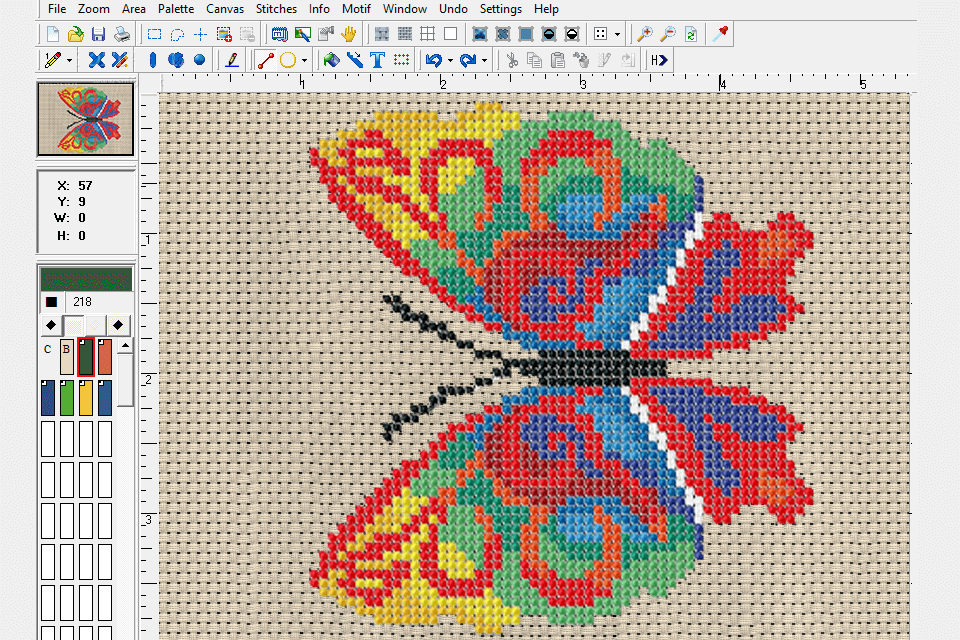
Imagine transforming a cherished photograph into a textured tapestry, a timeless piece of art painstakingly created stitch by stitch. The act of translating a visual memory into a cross-stitched rendering is a unique blend of artistry and mindful meditation. The needle becomes a brush, and the threads, a palette of endless colors waiting to bring a beloved image to life.
Embroidery, in its many forms, boasts a rich history spanning continents and centuries. From ancient Egypt to medieval Europe and beyond, embellished textiles served as symbols of status, storytelling, and personal expression. Cross stitch, a derivative of these traditions, has evolved into a accessible and beloved craft enjoyed by people of all ages and skill levels.
The beauty of this particular art form lies in its accessibility. Whether a complete novice or a seasoned crafter, the process can be as simple or intricate as desired. Readily available software and online resources further democratize the craft, making it possible for anyone to embark on this rewarding journey.
From vintage-inspired designs to modern minimalist patterns, the possibilities are truly limitless. Current trends often incorporate vibrant color palettes, geometric motifs, and even elements of mixed media. Whether replicating a family portrait, a breathtaking landscape, or a whimsical design, each creation is a testament to individual creativity and personal style.
The following guide will explore how to convert a personal photograph into a unique cross stitch pattern, opening the door to endless creative possibilities.
Image selection
The selection of the source photograph is a crucial initial step in transforming a cherished memory into a tangible work of art through cross stitch. The quality and characteristics of the chosen image directly influence the final pattern’s detail, color accuracy, and overall visual impact.
-
Resolution and Clarity
A high-resolution photograph provides the software with more data to create a detailed pattern. Blurry or low-resolution images will result in a pixelated and indistinct final product. Sharp focus and clear details are essential for capturing the nuances of the original image in the stitched rendition.
-
Contrast and Lighting
Photographs with good contrast between light and dark areas translate more effectively into cross stitch patterns. Well-defined shadows and highlights help create depth and dimension in the finished piece. Overexposed or underexposed images can lose details and result in a flat, uninteresting pattern.
-
Subject Complexity
Consider the complexity of the subject matter when selecting an image. Portraits with intricate facial features or landscapes with a multitude of fine details may require larger patterns and a wider range of thread colors. Simpler subjects with bold shapes and clear outlines are often easier to translate into visually appealing cross stitch designs.
-
Color Palette
The range of colors present in the photograph also plays a significant role. Images with a diverse and vibrant color palette will require a larger selection of thread colors to accurately represent the original. Monochrome or limited-color photographs can be equally striking, but they demand careful consideration of shading and tonal variations.
Ultimately, the ideal image for creating a cross stitch pattern is one that is well-composed, sharply focused, and features a balanced range of light, shadow, and color. Careful consideration of these factors during image selection will pave the way for a successful and rewarding cross stitching experience, resulting in a faithful and visually captivating representation of the original photograph.
Software parameters
The successful transformation of a photograph into a cross stitch pattern hinges significantly on the chosen software’s parameters. These settings act as a critical bridge, translating the nuances of the original image into a stitchable design, dictating the pattern’s size, complexity, and overall aesthetic.
-
Pattern Size (Width and Height)
The dimensions of the generated pattern directly impact the level of detail that can be captured. A larger pattern allows for more stitches, resulting in a higher resolution and more faithful representation of the photograph. However, larger patterns also require more time, thread, and fabric. Balancing desired detail with practical considerations is key. Choosing a smaller pattern size will simplify the design, ideal for beginners or quicker projects, but will naturally result in less detail.
-
Color Palette Reduction
Most photographs contain a vast spectrum of colors, far exceeding the practical limitations of available thread colors. Software parameters allow for reducing the color palette to a manageable number. The algorithm used for color reduction significantly affects the final result. Some algorithms prioritize accuracy, while others focus on visual harmony. Understanding the software’s approach and adjusting the number of colors based on the image’s complexity is essential for achieving a pleasing and realistic pattern.
-
Stitch Type and Density
While most cross stitch patterns rely on the standard “X” stitch, software may offer options for half stitches or fractional stitches to create smoother gradients and finer details. Stitch density, often measured in stitches per inch, dictates the overall texture and appearance of the finished piece. Higher stitch density yields a more detailed and refined result but increases the time and thread required.
-
Backstitch Options
Many software programs include options for incorporating backstitching, which involves outlining certain elements of the design with a single strand of thread. Backstitching can be used to define shapes, add contrast, and enhance the overall clarity of the pattern. Careful consideration of where and how to apply backstitching can significantly elevate the final result, adding definition and visual interest to key features in the design.
Mastering the software parameters provides the crafter with precise control over the pattern generation process. By carefully adjusting these settings, the artist can tailor the design to their skill level, available resources, and desired aesthetic, transforming a simple photograph into a unique and cherished cross stitch creation.
Thread palette
The thread palette forms the very heart of transforming a photograph into a cross-stitched work of art. It is the curated selection of colors that breathes life and depth into the pattern, translating the subtle nuances of the original image into a tangible, textured form. Choosing the right thread colors is essential to faithfully capturing the essence of the photograph and creating a piece that resonates with visual harmony.
-
Color Matching and Accuracy
The aim is to find thread colors that closely resemble those in the photograph. This can be achieved by comparing the digital image to physical thread samples under consistent lighting. Software often suggests thread matches, but a discerning eye is invaluable. Discrepancies in color can dramatically alter the mood and impact of the final piece. A portrait using slightly off skin tones can appear unnatural, while a landscape with misplaced hues might lose its intended serenity.
-
Color Harmony and Blending
While accurate color matching is important, creating visual harmony is equally crucial. A thread palette should not only reflect the colors in the photograph but also ensure they blend seamlessly together. This can involve selecting slightly muted or toned-down versions of the original colors to prevent a jarring or overly vibrant appearance. The goal is to create a cohesive and visually pleasing composition where colors complement each other and contribute to the overall aesthetic.
-
Thread Material and Texture
The choice of thread material impacts the final texture and sheen of the cross-stitched piece. Cotton embroidery floss is the most common choice due to its wide availability and matte finish. However, silk threads can add a subtle sheen and luxurious feel, while metallic threads can introduce a touch of shimmer and dimension. The thread’s thickness also matters; using different thread weights can create subtle variations in texture and depth, adding visual interest to the design.
-
Limited Palette Considerations
Often, the software or crafter might choose to work with a limited color palette. This presents a unique challenge: how to convey the complexity of the photo with fewer colors. This involves carefully selecting key colors and utilizing shading techniques using similar but slightly different shades to create the illusion of depth and dimension. The skillful use of backstitching with contrasting colors can also define shapes and add clarity when working with a restricted palette. This approach can lead to striking, stylized cross stitch designs.
In essence, the thread palette is more than just a collection of colors; it’s the artist’s tool for transforming a two-dimensional photograph into a three-dimensional textile artwork. The thoughtful selection and skillful application of thread colors are what ultimately determine the success and beauty of a cross-stitched photograph, turning a simple image into a lasting treasure, painstakingly created.
What Youll Need
- Generated Cross Stitch Pattern: This is your roadmap! It displays the design, color codes, and stitch counts. Print it clearly and keep it nearby.
- Aida Cloth: This is the fabric specifically designed for cross stitch, with evenly spaced holes that make creating uniform stitches easy. Choose the count (holes per inch) based on the desired size and detail of your finished piece. 14-count is a good starting point.
- Embroidery Hoop or Frame: This helps keep the Aida cloth taut while you stitch, preventing distortion and making it easier to maintain consistent tension. Choose a size that comfortably accommodates the area you are working on.
- Embroidery Needles: These needles have a large eye for threading embroidery floss and a blunt tip to easily pass through the holes in the Aida cloth without snagging the fabric. Size 24 or 26 is typically recommended.
- Embroidery Floss (Thread): The variety of colors will depend on your specific pattern. DMC and Anchor are popular brands with a wide range of shades. It’s helpful to have a thread organizer to keep your colors neatly separated and easily accessible.
- Scissors: Small, sharp embroidery scissors are essential for snipping threads cleanly and precisely.
- Thread Organizer: A thread organizer is invaluable for managing your floss. These can be cardboard cards, plastic bobbins, or storage boxes with individual compartments. Label each slot with the corresponding color code from your pattern.
- Good Lighting: Adequate lighting is crucial for preventing eye strain and ensuring accurate color perception. A daylight lamp or well-lit workspace is highly recommended.
- Magnifying Glass (Optional): If you find it difficult to see the small holes in the Aida cloth, a magnifying glass can be a helpful aid.
- Needle Threader (Optional): A needle threader can simplify the process of threading the embroidery needle, especially with multiple strands of floss.
Preparation Tips
Before you start, iron your Aida cloth to remove any creases or wrinkles. This will make it easier to stitch on a smooth, even surface. Find the center of your fabric by folding it in half lengthwise and widthwise, then mark the center point with a pin or fabric marker. This is where you’ll typically begin stitching.
Organize your threads! Cut each length of floss and separate the strands. Most cross stitch is done using two strands of floss. Wind each color around a bobbin or card and label it with its corresponding symbol from your pattern. It’s helpful to create a small “parking” system by sticking the needle through the Aida cloth near the area where you’ll be using that color. This prevents tangling and keeps your threads organized.
Set up your workspace in a well-lit area with a comfortable chair and good posture. Cross stitch is a relaxing hobby, so make sure your environment is conducive to that! Take breaks every so often to stretch your hands and eyes. Also make sure to use scissor correctly for safety.
Step-by-Step Instructions
Step 1
Begin by carefully ironing your Aida cloth to eliminate any creases or wrinkles. This provides a smooth and even surface for stitching, enhancing the overall quality of your finished piece. Next, gently fold the Aida cloth in half lengthwise and then widthwise. The point where the folds intersect marks the center of your fabric, which is typically the starting point for your design. Mark this center point with a pin or a fabric marker. Finally, secure the prepared fabric within your embroidery hoop or frame, ensuring it is taut and evenly stretched. A properly prepared fabric provides the optimal foundation for your cross stitch project.
Step 2
Cut a length of embroidery floss approximately 18 inches long. Separate the strands of the floss; most cross stitch patterns utilize two strands for each stitch. To separate, gently pull out one strand at a time until you have isolated the desired number. Combine the strands together. Dampen the end of the combined floss strands slightly between your fingers to help bind them together. Thread the moistened end through the eye of your embroidery needle. If you are having trouble, a needle threader can be a very useful tool.
Step 3
Refer to your pattern and locate the center point of the design, corresponding to the center you marked on your Aida cloth. Bring your needle up from the back of the fabric at the bottom-left corner of the stitch you will create. Leave a tail of about one inch of floss hanging loose at the back. Hold this tail against the back of the fabric with your finger as you make your first few stitches, effectively securing it in place as you stitch over it. This eliminates the need for knots, resulting in a cleaner, more professional finish.
Step 4
Bring the needle up through the lower-left corner of the square where you want to make your first stitch. Then, insert the needle down through the upper-right corner of the same square. Pull the thread gently until it lies smoothly against the fabric. This completes the first half of your cross stitch (a diagonal stitch). Maintain consistent tension to ensure a neat and uniform appearance.
Step 5
Now, bring the needle up through the lower-right corner of the same square. Then, insert the needle down through the upper-left corner of the square, crossing over your previous diagonal stitch. Pull the thread gently to complete the “X” shape of the cross stitch. Ensure that all your top stitches consistently slant in the same direction; this gives your finished piece a professional, uniform look.
Step 6
Most cross stitch patterns involve stitching rows or blocks of the same color. To efficiently stitch a row, complete the first half of each stitch (the diagonal stitches) across the row. Then, work back along the row, completing each stitch with the second diagonal to form the complete “X”. This method is faster and helps maintain consistent tension. Ensure all top stitches are slanted in the same direction.
Step 7
When you need to change to a new color, finish the last stitch with the old color on the back. Weave the needle under a few existing stitches on the back of your work to secure the end of the thread. Trim the excess thread close to the fabric. To start a new color, bring the needle up from the back as described in Step 3, again leaving a short tail to be secured under subsequent stitches. Avoid making knots, as they can create bulk and distort the fabric.
Step 8
When your pattern is complete, or when you’ve run out of thread, secure the thread at the back of your work by weaving the needle under several existing stitches. Trim any excess thread close to the fabric. Remove the Aida cloth from the hoop and gently wash to remove any dirt or stains. Let dry completely, then iron and frame.
Creating a cross stitch pattern from a photo is more than just a craft; it’s a journey into mindful creativity. It’s a chance to transform your cherished memories into tangible works of art, each stitch a testament to your patience and skill. The act of translating a digital image into a textured masterpiece is incredibly rewarding, offering a unique blend of artistic expression and relaxing focus.
There’s a special kind of magic in watching a pixelated image gradually transform into a recognizable likeness, stitch by painstaking stitch. Each completed cross stitch is a unique heirloom, full of love and dedication. These crafted pieces capture not only an image, but also the warmth of the time and effort you put into making it.
So, why not give it a try? Pick a favorite photo, gather your supplies, and embark on this creative adventure. We’d love to see what you create! Share your finished projects with us or leave a comment to tell us about your experience. Your own unique touch will make each piece something special!
Happy Stitching!
Images References :
Image used for illustration purposes only. All rights belong to their respective owners.



