Imagine a canvas blooming to life, thread by thread. Envision the quiet satisfaction of transforming a simple piece of fabric into a vibrant tapestry of color and form. Each carefully placed stitch contributes to a larger story, a personal expression rendered with patience and precision. The allure lies not only in the finished piece, but also in the meditative process of creation, a journey of focus and artistry that quiets the mind and nourishes the soul.
From its origins as a practical technique for mending and reinforcing textiles, needlework has evolved into a celebrated art form with a rich and diverse global heritage. Across cultures and generations, it has served as a medium for storytelling, decoration, and the preservation of cultural traditions. Samplers, once demonstrations of skill and markers of progress, now stand as tangible reminders of the enduring human impulse to create and adorn.
The beauty of this craft lies in its accessibility. It requires minimal materials and can be practiced almost anywhere, making it an ideal pursuit for beginners seeking a relaxing and rewarding hobby. Yet, its versatility allows for endless exploration, catering to seasoned crafters looking to push creative boundaries and develop intricate, personalized designs. From small, portable projects to grand, ambitious undertakings, the possibilities are limited only by one’s imagination.
While traditional motifs and techniques remain popular, this art form continues to evolve with contemporary influences. Modern patterns incorporate bold color palettes, abstract designs, and mixed-media elements. Digital tools and online communities further expand the horizons, offering inspiration, support, and a constant stream of new ideas to keep the craft fresh and engaging. The resurgence of interest highlights its enduring appeal and adaptability in an ever-changing world.
Whether driven by a desire to learn a new skill, create personalized gifts, or simply unwind and de-stress, many embark on this journey. This exploration will help unlock the secrets of transforming simple strands of thread into exquisite works of art, offering a step-by-step guide to get started and explore the boundless creative potential within this timeless craft.
Basic Stitch Technique
Embarking on the adventure that is needlework starts with a single, fundamental element: the stitch itself. The basic stitch technique serves as the cornerstone upon which all other skills and creative endeavors are built. A solid understanding of this technique unlocks a world of possibilities, transforming simple fabric into intricate works of art.
-
The Foundation: The Cross Stitch
The essence of needlework lies in the creation of a simple “X” shape. This is accomplished by making two diagonal stitches that cross each other, creating a uniform and visually appealing texture. Mastering this fundamental stitch is essential for achieving clean lines and consistent coverage in any project. Without a solid foundation in this technique, even the most elaborate patterns can appear uneven or unprofessional.
-
Starting and Ending Threads
A crucial, yet often overlooked aspect of the basic technique involves the proper method for starting and ending threads. Avoiding knots and instead securing the thread by weaving it through the back of existing stitches ensures a clean and professional finish. Improper thread management can lead to bulky areas and a less aesthetically pleasing result. This seemingly minor detail significantly impacts the overall quality and longevity of the finished piece.
-
Tension Control
Maintaining consistent tension while stitching is vital for creating a balanced and even surface. Too much tension can cause the fabric to pucker or distort, while too little tension can result in loose and floppy stitches. Finding the right balance requires practice and attention to detail. By consciously controlling tension, the needleworker can ensure that each stitch lies flat and contributes to a smooth, uniform texture.
-
Following a Grid
The basic technique also encompasses the ability to accurately follow a grid pattern. Each stitch corresponds to a specific square on the pattern, and precise placement is necessary to replicate the design correctly. Developing the ability to visually translate a pattern onto the fabric is a key skill that improves with practice. Attention to detail in grid alignment ensures the finished piece closely resembles the intended design.
By diligently mastering the fundamental aspects of the basic stitch technique, the aspiring needleworker lays a solid foundation for future growth and creative exploration. These foundational skills translate into more confident stitching, cleaner results, and a deeper appreciation for the artistry inherent in this time-honored craft. This careful attention to the basics will yield more professional-looking results, and will provide a more rewarding experience overall.
Reading Patterns
The ability to interpret needlework charts serves as a vital bridge connecting the initial desire to learn and the eventual realization of a finished piece. Patterns act as roadmaps, guiding the needleworker through a landscape of stitches, colors, and symbols. Without proficiency in pattern reading, ones creative vision may remain just that a vision, unfulfilled due to the inability to translate it onto fabric. The connection is thus direct and fundamental: patterns provide the instructions, and their comprehension fuels the project’s execution. For instance, a beginner attempting a complex floral design without understanding the color key or symbol representation would quickly become overwhelmed. Conversely, someone familiar with pattern notations can tackle intricate designs with confidence and precision, transforming a seemingly daunting task into a manageable and enjoyable process.
Real-world applications highlight the significance of this skill. Imagine a needleworker wanting to replicate a vintage sampler found in a family heirloom. The pattern, likely represented through traditional symbols and color codes, holds the key to recreating this piece of history. Successfully interpreting the chart allows the individual to not only recreate the design but also connect with the past, preserving a piece of cultural heritage. Furthermore, the ability to adapt and modify patterns unlocks a realm of creative possibilities. A basic understanding enables the crafter to personalize designs, change colors, add embellishments, and ultimately imbue each project with individual flair. The pattern becomes a starting point, not a rigid constraint, fostering innovation and artistic expression.
In essence, mastering pattern interpretation is akin to learning a new language a language of symbols, colors, and grid lines. While initially it may seem complex, with practice, it becomes intuitive, allowing for seamless translation from chart to fabric. Challenges undoubtedly exist, especially when encountering unfamiliar symbols or complex color changes. However, these challenges are opportunities for growth, pushing the needleworker to refine their skills and deepen their understanding. Ultimately, the mastery of pattern reading empowers the crafter to navigate the world of needlework with confidence, transforming intricate designs into tangible expressions of creativity and skill. This skill is essential for continued progress and enjoyment of this timeless craft.
Fabric and threads
The union of fabric and threads forms the very essence of needlework, a partnership so fundamental that one cannot truly explore the craft without understanding the nuances of the other. These materials aren’t merely passive components; they actively shape the final outcome, influencing texture, color, and overall aesthetic. Selecting the correct fabric and threads is not simply a preliminary step but rather an integral part of the learning process, impacting both the ease of execution and the visual impact of the finished design. For example, attempting to execute a delicate, intricate design on coarse fabric with thick threads would undoubtedly lead to frustration and a less-than-satisfactory result. The fabric’s weave and thread’s weight directly determine the stitch definition and the overall look of the project.
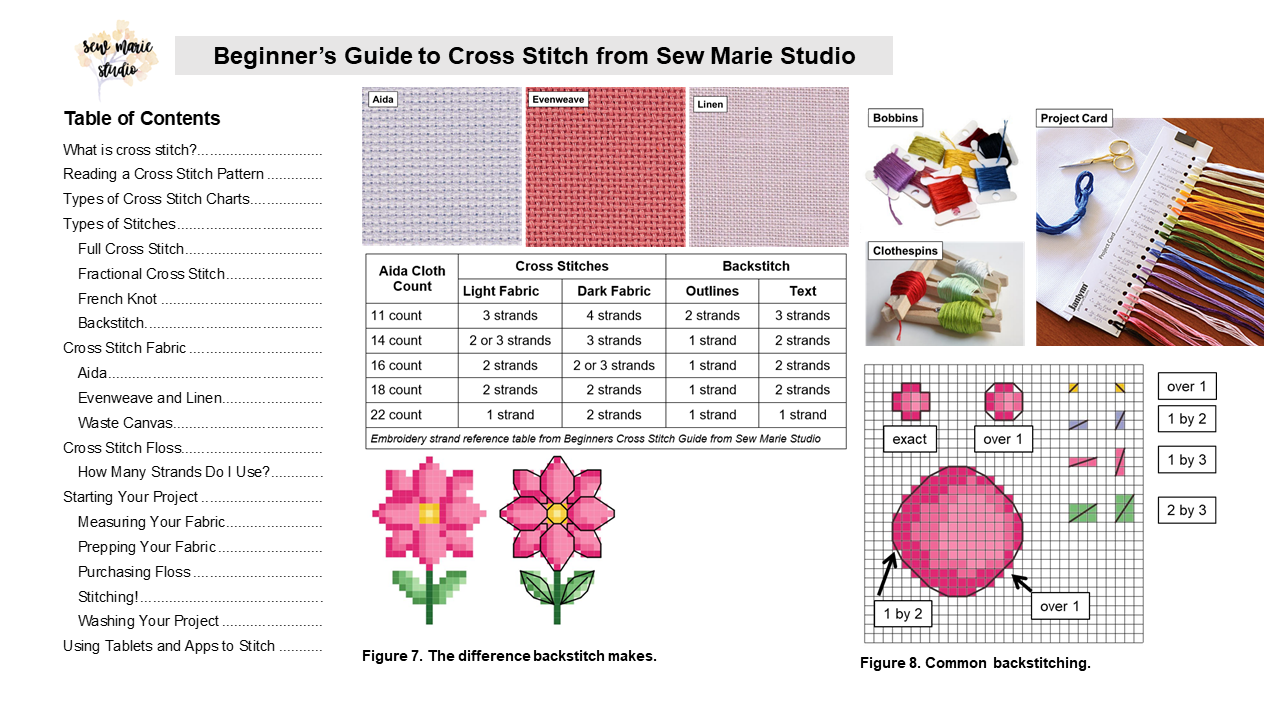
Consider, for instance, the popular choice of Aida cloth for beginners. Its evenly spaced, distinct squares provide a clear and structured grid, simplifying stitch placement and promoting consistent results. Pairing this fabric with stranded cotton embroidery floss allows for easy separation of strands, enabling the crafter to adjust the thickness of the thread according to the pattern’s requirements and fabric count. Conversely, linen or evenweave fabrics offer a more refined and elegant surface for experienced needleworkers. These fabrics, however, demand greater precision and control due to their less defined weave. Understanding these nuances enables one to make informed choices, selecting materials that not only suit the design but also align with one’s skill level and desired aesthetic. Selecting the best materials provides greater confidence, reduces frustration and makes learning more enjoyable.
In conclusion, the synergy between fabric and threads significantly influences the needlework journey. Appreciating this connection allows both novice and experienced crafters to elevate their work, achieving greater precision, visual harmony, and ultimately, a deeper connection to the craft. Recognizing that fabric and threads are not merely materials, but rather partners in creation, unlocks a new level of understanding and appreciation, transforming the simple act of stitching into a truly rewarding artistic experience.
Project selection
The selection of a first project holds a pivotal role in the trajectory of learning how to cross stitch. A judicious choice can foster enthusiasm and build confidence, while an ill-considered one may lead to frustration and discouragement. The initial project serves as a gateway, shaping perceptions and influencing the likelihood of continued engagement. Opting for a design that is too complex, with intricate color changes or a large stitch count, can quickly overwhelm a beginner. The sense of accomplishment, so crucial for motivation, may be delayed or even unattainable, potentially leading to abandonment of the craft altogether. Conversely, starting with a small, simple pattern allows for the rapid acquisition of fundamental skills and provides a tangible reward for effort. This early success reinforces learning and cultivates a positive attitude toward future endeavors.
Consider, for example, a novice attempting a full coverage landscape scene as their initial project. The sheer volume of stitches, combined with the need for precise color blending, can be daunting. Frustration may arise from the inability to achieve a smooth, professional finish, leading to a sense of inadequacy. On the other hand, a beginner who selects a pattern featuring a single, centrally located motif, such as a flower or a simple geometric shape, will likely experience a much more rewarding outcome. The smaller scale allows for focused practice on stitch formation and tension control, resulting in a neater, more polished appearance. Furthermore, the faster completion time provides a sense of immediate gratification, fueling the desire to tackle more challenging projects in the future. Project selection therefore is one of the initial hurdles. Success at this stage can be the difference between continuing the craft or stopping.
In essence, the connection between project selection and learning how to cross stitch is one of direct cause and effect. A thoughtful and strategic approach to the initial project significantly enhances the learning experience, fostering confidence, building skills, and promoting long-term engagement. Recognizing the practical significance of this understanding allows aspiring needleworkers to set themselves up for success, embarking on a journey of creative exploration with a solid foundation and a positive outlook. This initial experience dictates the future and how they view it. Starting small and working towards larger goals will improve the craft and bring more enjoyment.
What Youll Need
- Embroidery Hoop: This will keep your fabric taut, making it easier to stitch. A 6-inch hoop is a good size for beginners. Think of it like a frame that holds your fabric steady while you work.
- Aida Cloth: This is a fabric with evenly spaced holes, perfect for cross stitching because it guides your stitches. 14-count Aida is a common choice, meaning there are 14 squares per inch.
- Embroidery Floss: This is the thread you’ll use to create your design. DMC floss is a popular brand, known for its wide range of colors.
- Embroidery Needle: Choose a needle with a blunt tip and a large eye to easily thread the embroidery floss. Size 24 or 26 is a good starting point.
- Scissors: Small, sharp scissors are essential for snipping threads neatly.
- Pattern: Select a simple pattern to begin with. Many free patterns are available online, or you can purchase a kit that includes everything you need.
- Optional: Thread Organizer: A thread organizer or floss bobbin can help keep your floss neat and prevent tangling. It is not required but can be beneficial.
- Good Lighting: Proper lighting is crucial to avoid eye strain. A well-lit room or a dedicated craft lamp will make a big difference.
Preparation Tips
Before you start, wash and iron your Aida cloth to prevent shrinkage or wrinkles in your finished piece. Find the center of your fabric by folding it in half both ways, then gently creasing the folds. This will help you position your design accurately. Secure the fabric in your embroidery hoop, making sure it’s taut but not stretched too tight. Pulling the fabric too tight will distort it.
Organize your embroidery floss by separating the strands. Most floss is made up of six strands; you’ll usually stitch with two or three strands at a time, depending on the pattern and the look you want to achieve. Find a comfortable and well-lit workspace. Good posture will help prevent back pain and make your stitching experience more enjoyable. Take breaks regularly to rest your eyes and stretch your hands. Remember that this is a fun activity.
Step-by-Step Instructions
Step 1
Cut an 18-inch length of embroidery floss. Separate two strands from the floss. Dampen the end of the strands slightly and thread them through the eye of the embroidery needle. Pull the thread through until you have roughly equal lengths on both sides. No need to knot the ends for this beginner-friendly method.
Step 2
Find the starting point on your Aida cloth according to your pattern. From the back of the fabric, bring the needle up through the bottom left corner of the square. Leave a tail of about an inch of thread at the back. Hold the tail against the back of the fabric with your finger while you make the first few stitches; this will secure it. For the first few stitches be sure you avoid knotting. This is a professional method to make your piece look better.
Step 3
Bring the needle diagonally across the square and down through the upper right corner. This completes the first half of the cross stitch (a forward slash /). Pull the thread gently, ensuring it’s snug but not too tight. Be aware of your tension and make it consistent.
Step 4
Now, bring the needle up through the bottom right corner of the square. Then, bring the needle diagonally across and down through the upper left corner of the square. This completes the cross stitch (forming an “X”). Your thread is now secure and the tail in the back is also secured. This is good practice.
Step 5
For efficiency, some stitchers prefer to stitch a row of half stitches first, then return to complete the crosses on the way back. To do this, continue making forward slashes (/) across a row, then return and complete each cross stitch with a backslash (\). If you find this method easier, feel free to use it.
Step 6
When you reach the end of a color section or need to finish stitching, turn your hoop over to the back. Weave the needle under 3-4 existing stitches to secure the thread. Snip the thread close to the fabric, leaving no loose ends.
Step 7
Refer to your pattern and continue stitching, changing colors as needed. Be sure to count carefully to avoid mistakes. Remember, each square on the pattern corresponds to one cross stitch on the fabric. Keep your tension consistent to make the project look professional.
Step 8
Once you’ve completed the pattern, remove the fabric from the hoop. Gently hand wash the finished piece in cool water with a mild detergent if needed. Lay flat to dry, and iron on the reverse side on a low setting to remove any wrinkles. Do not iron the front or you risk damaging the floss.
So, there you have it! Learning how to cross stitch is more than just making pretty pictures; it’s about slowing down, being present, and creating something beautiful with your own two hands. The process can be incredibly relaxing, and the result is a unique piece of art that you can cherish or share with loved ones. It also makes a great gift!
Cross stitch is a journey of patience and creativity. It’s a craft that connects you to a long history of artistry while allowing you to express your individual style. The satisfaction of seeing a design come to life, stitch by stitch, is truly rewarding. No matter your age or skill level, it’s a way to create lasting memories and give gifts to others.
We encourage you to give it a try! Grab some supplies, find a pattern that speaks to you, and start stitching. Don’t be afraid to experiment and have fun with it. We’d love to see what you create, so please feel free to share photos of your finished projects in the comments below. Or, if you have any questions or tips of your own, leave a comment we’re all here to learn from each other!
Happy stitching!
Images References :
Image used for illustration purposes only. All rights belong to their respective owners.



