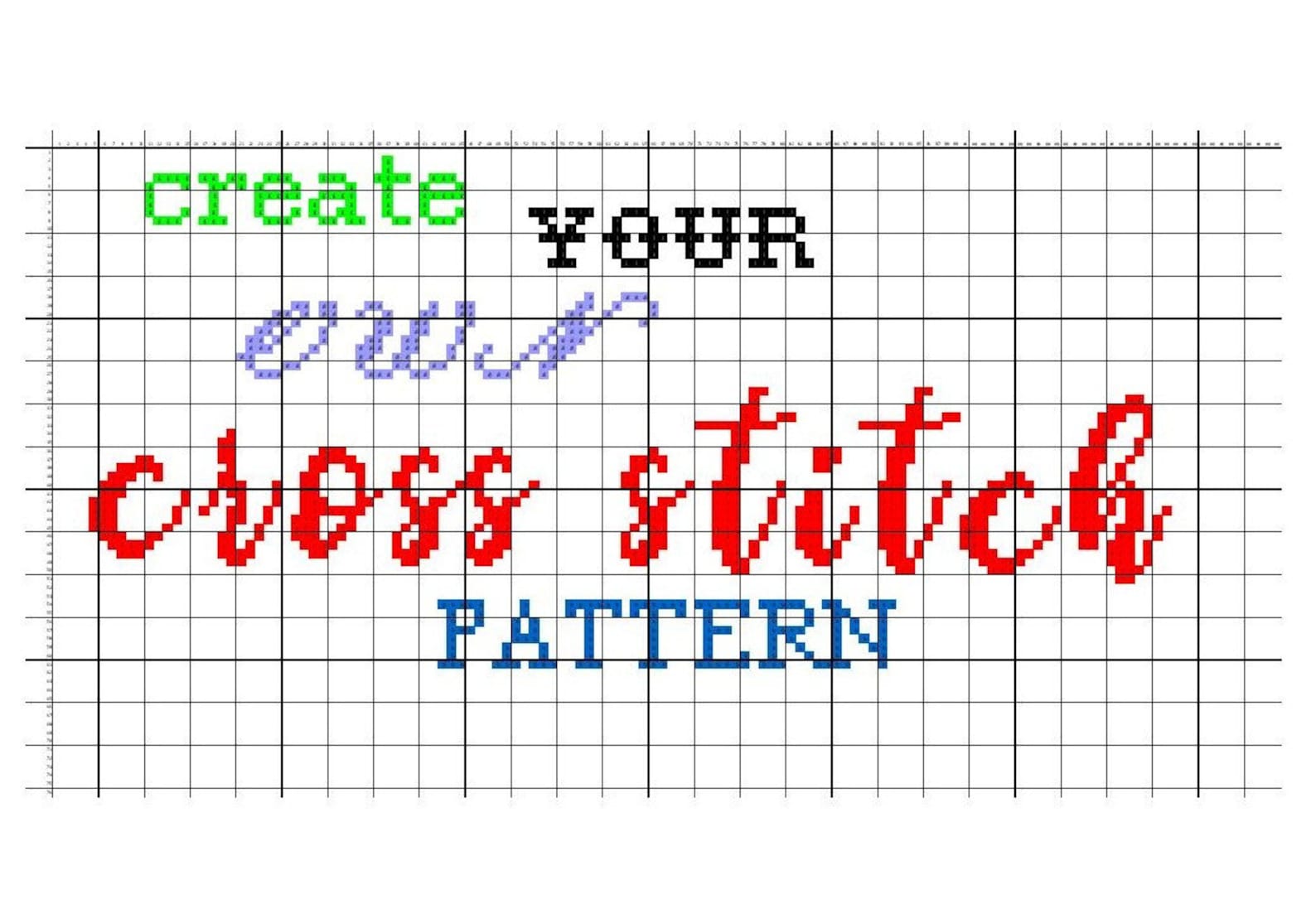
Imagine a tapestry woven not on a loom, but with the simple rhythm of needle and thread. Visualize vibrant hues blooming on fabric, forming intricate designs that capture a moment in time or a flight of fancy. The art of creating detailed, pixelated images on cloth offers a unique avenue for artistic expression, transforming simple materials into cherished keepsakes and stunning works of art.
From humble beginnings as a practical skill for mending and embellishing clothing, this counted thread embroidery technique has evolved into a global phenomenon. Its historical roots can be traced back centuries, with examples found across numerous cultures, each adding their unique stylistic flair. Ancient Egyptians used similar techniques to adorn clothing and household items, while European samplers meticulously documented family history and needlework skills. This rich heritage provides a tangible connection to the past, allowing crafters to participate in a tradition that spans generations.
One of the most appealing aspects of this craft is its accessibility. With minimal materials and basic techniques, anyone can embark on this creative journey. Whether a novice eager to learn a new skill or an experienced artisan seeking a meditative pastime, the possibilities are boundless. The straightforward nature of the stitches allows for a relaxing and rewarding experience, while the meticulous process fosters focus and attention to detail.
The world of counted thread embroidery boasts a diverse range of styles, from traditional samplers and floral motifs to modern abstract designs and personalized portraits. Popular trends include incorporating mixed media elements, experimenting with different thread types and fabric textures, and adapting digital artwork into stitchable patterns. This dynamic landscape ensures that the craft remains fresh and exciting, constantly evolving with the times.
The ability to create personalized pieces, tailored to individual tastes and preferences, is a distinct benefit of this embroidery style. Understanding the foundational elements and techniques is the first step toward crafting unique and memorable designs. The following sections will offer guidance into one specific aspect of this craft, exploring precisely how to bring an idea to life on fabric, stitch by meticulous stitch.
Image Selection
The initial selection of an image is arguably the most pivotal step in crafting a cross stitch design. This choice acts as the blueprint, influencing the complexity, visual impact, and ultimate satisfaction derived from the project. A well-considered image not only provides a clear path forward but also sets the tone for the entire creative process. The clarity of the original picture determines the amount of work needed during the pattern creation phase, influencing the level of difficulty of how to make a cross stich pattern. For example, a high-resolution photograph with distinct color blocks translates far more smoothly than a blurry, low-contrast image, preventing unnecessary challenges during grid conversion and color selection.
The importance of selecting an appropriate image extends beyond mere technical considerations. The subject matter itself contributes significantly to the emotional connection the creator has with the piece. A cherished family photo, a beloved pet portrait, or a captivating landscape can imbue the project with personal meaning, transforming the act of stitching into a meditative and deeply rewarding experience. In contrast, a generic or uninspired image may lead to a lack of motivation and a less fulfilling outcome. Artists often suggest beginning with images containing bold, defined shapes and colors. Cartoons, simplified line drawings, and even certain geometric patterns prove excellent starting points, giving the practitioner the confidence to advance to more complex and elaborate designs.
In summary, image selection profoundly impacts the overall success of any cross stitch endeavor. Thoughtful consideration of image complexity, resolution, and personal connection ensures a smoother pattern creation process and a more meaningful final product. Selecting the right starting point isn’t merely a preliminary step; it’s an investment in the enjoyment and artistic fulfillment of the entire cross stitch experience.
Grid Conversion
At the heart of transforming an image into a stitchable artwork lies the critical process of grid conversion. It is this process that bridges the gap between the visual inspiration and the tangible creation. By translating an image into a series of individual stitches, this element determines the level of detail, overall clarity, and ultimately, the artistic impact of the finished cross stitch piece. Grid conversion provides the essential roadmap for the stitching process, dictating where each color will be placed to build a recognizable design.
-
Manual Gridding: The Traditional Approach
Historically, grid conversion involved meticulously transferring an image onto a gridded piece of paper, pixel by pixel. Each square on the grid represents a single cross stitch. This method, while time-consuming, offers a deep understanding of the design’s underlying structure. It necessitates careful attention to detail, fostering a strong connection between the creator and the envisioned artwork. Imagine recreating a vintage photograph, meticulously hand-gridding it onto parchment paper, each square representing a memory brought back to life, one stitch at a time.
-
Software Solutions: Streamlining the Process
Modern software offers efficient alternatives, automatically converting images into cross stitch patterns. These programs often provide customizable settings, allowing adjustments to grid size, color palettes, and stitch types. This enables the craftsman to balance the desired detail level with the practical constraints of stitching time and material availability. Consider using software to adapt a child’s drawing into a vibrant cross stitch pattern for a nursery decoration, personalizing it with specific colors and dimensions.
-
Detail Level and Grid Size: Balancing Act
The density of the grid significantly impacts the final level of detail. A finer grid with smaller squares allows for more intricate designs, capturing subtle nuances and intricate color gradations. However, this also translates to a larger, more time-consuming project. Conversely, a coarser grid simplifies the pattern, reducing the stitch count but potentially sacrificing finer details. A scenic landscape intended for a large wall hanging might benefit from a finer grid to capture its intricate details, whereas a small keychain design may only require a coarse grid to simplify the design.
-
Addressing Image Complexity
Successfully converting an image necessitates careful consideration of its inherent complexity. High-contrast images with well-defined shapes translate readily, while photographs with gradients and intricate details require simplification. Techniques such as color reduction and edge enhancement can aid in optimizing the image for grid conversion, ensuring a clear and stitchable pattern. Imagine converting a complex architectural photograph into a stylized cross stitch pattern using color reduction, simplifying the colors and lines to create an impressive graphic representation.
In essence, grid conversion serves as the bridge between concept and creation in cross stitch. Whether done manually or with the aid of software, it is a crucial step in “how to make a cross stich pattern” and it dictates the feasibility, complexity, and ultimately, the beauty of the final piece. By thoughtfully considering the grid size, detail level, and image complexity, artisans can unlock the full potential of their chosen image, transforming it into a timeless stitched treasure.
Color Palette
The selection and application of a color palette significantly influence the aesthetic appeal and emotional resonance of any cross stitch artwork. Beyond mere decoration, color becomes an integral element, communicating mood, reflecting personal style, and breathing life into the intricate designs. The interplay of hues transforms a simple pattern into a visually compelling narrative, emphasizing certain aspects of “how to make a cross stich pattern.”
-
Harmonious Hues: Evoking Emotion and Cohesion
A carefully considered color palette creates visual harmony within the piece. Color theory principles, such as complementary or analogous color schemes, can be applied to evoke specific emotions and ensure a cohesive look. For instance, a calming landscape might utilize a palette of blues and greens, while a vibrant floral arrangement could incorporate reds, oranges, and yellows. The success of implementing these principles also depends on knowing how to make a cross stich pattern.
-
Thread Selection: Texture, Sheen, and Variation
The properties of the thread itself contribute to the overall color impression. Different thread types offer varying levels of sheen, texture, and light reflectivity, adding depth and dimension to the finished piece. Matte threads provide a subtle, understated look, while metallic threads introduce a touch of glamour. Blending different thread types within a color family can create a richer, more nuanced effect. The selection process is a key aspect when learning how to make a cross stich pattern.
-
Color Reduction: Simplifying Complexity
When adapting a photograph or complex image into a cross stitch pattern, color reduction becomes essential. Reducing the number of colors simplifies the stitching process and minimizes the risk of unwanted color blending. Techniques such as dithering and selective color removal can be employed to retain the essential visual information while streamlining the palette. Careful color reduction is important when trying to learn how to make a cross stich pattern from more intricate source material.
-
Personal Expression: Injecting Individuality
Ultimately, the color palette provides an opportunity for personal expression. Deviating from traditional color schemes, experimenting with unexpected combinations, and incorporating favorite hues allow the artisan to infuse the piece with individuality. A portrait might be rendered in unconventional colors, or a geometric design could incorporate personal symbolic meanings through color choices. This is the opportunity to put your stamp on how to make a cross stich pattern.
The interplay between a carefully planned color palette and the intricate process of “how to make a cross stich pattern” results in a tapestry of artistic expression. Through the thoughtful selection of hues, the understanding of thread properties, and the skillful manipulation of color complexity, the craft becomes a canvas for personal storytelling and visual delight. Color, therefore, is not merely an aesthetic choice, but a fundamental element shaping the very soul of the artwork.
What Youll Need
- Embroidery Hoop: This keeps your fabric taut, making stitching easier. Choose a size that comfortably fits the area you’re working on. Wooden or plastic hoops both work well it’s a matter of personal preference.
- Aida Cloth: This is the most common fabric for cross stitch. It has a grid-like weave with clearly defined holes, perfect for making even stitches. Count refers to the number of stitches per inch; 14-count is a good starting point.
- Cross Stitch Needles: These have rounded tips and large eyes, making it easy to pass the thread through the Aida cloth without snagging.
- Embroidery Floss: This comes in a wide range of colors. Six-strand floss is most common; you’ll typically separate strands depending on the design. DMC and Anchor are popular brands.
- Scissors: Small, sharp embroidery scissors are ideal for snipping threads neatly.
- Pattern: Your cross stitch pattern can be a printed chart or a digital file. It shows you where to place each stitch.
- Optional: Fabric Marker: A water-soluble or air-erasable fabric marker can be used to mark the center of the fabric or to draw a grid for easier stitching.
- Optional: Needle Minder: a small magnet that attaches to your fabric so you have a place to keep your needle while not actively stitching
Preparation Tips
Before you begin, it’s a good idea to prepare your fabric. Wash and iron the Aida cloth to prevent shrinkage later. Find the center of your fabric by folding it in half lengthwise and widthwise and using these folds as your starting point.
Organize your threads by color. You can use a thread organizer, bobbins, or even a simple cardboard box. Label each thread with its corresponding symbol from the pattern. Stitching with good light is crucial for preventing eye strain. Position your work area near a window or use a bright lamp. Consider your posture as you stitch. Sit comfortably with your back supported, and take breaks regularly to avoid stiffness and fatigue.
Step-by-Step Instructions
Step 1
Cut a length of embroidery floss, about 18 inches long. Separate the floss into the number of strands required by your pattern (usually two or three). Dampen the end of the floss and thread it through the eye of your needle. Pull it through, leaving a short tail. Avoid knotting the thread; instead, use a waste knot as described in Step 2.
Step 2
To avoid a bulky knot at the back of your work, use the waste knot method. Tie a knot at the end of your floss. Bring your needle up from the front of the fabric, a few stitches away from where you plan to start your design. Stitch over the thread on the front of your fabric, then cut the knot away. When you end your design, weave the end of the embroidery thread into the back of the finished stitches instead of tying another knot.
Step 3
Find the starting point of your design on your Aida cloth according to your pattern. Bring your needle up through the bottom left hole of the square you wish to stitch. Then, insert the needle down through the top right hole of the same square. This creates the first half of your cross stitch (a slanted line).
Step 4
Now, bring your needle up through the bottom right hole of the same square. Insert the needle down through the top left hole. This completes the cross stitch. Your stitch should now form a perfect “X.” Ensure that all your top stitches lean in the same direction for a professional and uniform look.
Step 5
For efficiency, stitch a row of half stitches first, working across the fabric. Then, return, completing each cross stitch as you go. This is often called the “continental method.” Always ensure the top stitch of each cross leans in the same direction. This method saves thread and time, particularly when stitching large blocks of color.
Step 6
When you need to switch to a new color, end your current thread by weaving it through the back of several stitches already made. Then, start the new color using the waste knot method described in Step 2. Be sure to trim any excess thread neatly on the back of your work to keep it tidy.
Step 7
Many patterns include backstitching to add detail and definition. Backstitch involves creating straight lines between existing stitches. Bring your needle up one stitch length away from where you want the line to begin, then insert it back down into the starting hole. Refer to your pattern for the specific placement of backstitches.
Step 8
Once you’ve completed all the stitching, remove any remaining waste knots. Gently hand-wash your finished piece in cool water with a mild detergent, if needed. Lay it flat to dry. Once dry, iron it on low heat from the back to remove any creases. Now you can frame your finished cross stitch, mount it in a hoop, or incorporate it into a larger project.
Learning how to create your very own cross stitch designs opens up a world of creative possibilities! From personalized gifts to unique home dcor, this craft allows you to transform simple materials into cherished keepsakes. The process is meditative, rewarding, and perfect for unleashing your inner artist, regardless of your experience level.
Cross stitch is more than just a hobby; it’s a connection to a time-honored tradition, a way to express your individuality, and a satisfying journey from a simple idea to a beautiful, tangible creation. The ability to craft something beautiful with your own two hands offers a unique sense of accomplishment in today’s fast-paced world.
Now that you know the basics, we encourage you to grab your needle and thread and start designing! Don’t be afraid to experiment with different colors, patterns, and techniques. Share your creations with us we’d love to see what you come up with! Feel free to leave a comment below with your questions or insights.
Happy stitching!
Images References :
Image used for illustration purposes only. All rights belong to their respective owners.



