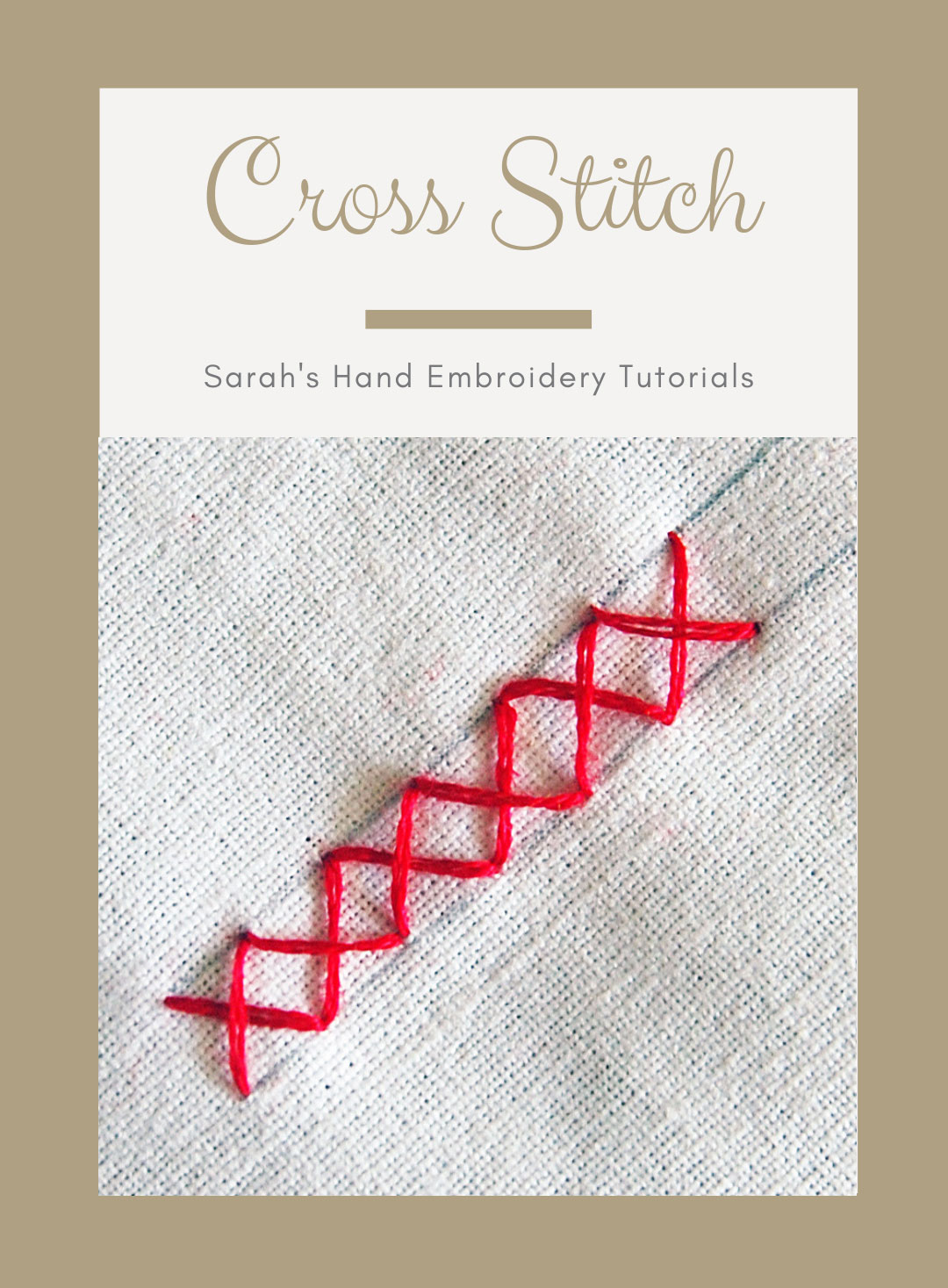
Imagine transforming simple fabric into a vibrant tapestry of color and texture. It’s a process where each carefully placed stitch builds upon the last, revealing intricate patterns and captivating designs. The rhythmic motion of the needle becomes almost meditative, a calming escape from the everyday world, culminating in a handmade piece brimming with character.
From its humble beginnings in ancient civilizations to its resurgence in modern crafting circles, this art form has been passed down through generations. Samplers embroidered by young women centuries ago stand as testaments to skill and patience, while motifs reflecting local flora, fauna, and folklore provide a unique glimpse into diverse cultures across the globe.
The enduring appeal of this craft lies in its remarkable accessibility. Requiring only a few basic materials fabric, thread, a needle, and a pattern it’s a pursuit easily embraced by beginners. Yet, it also offers endless opportunities for experienced crafters to explore complex techniques, experiment with color palettes, and push the boundaries of traditional designs. Whether seeking a quick mindful project or a long-term artistic endeavor, this craft welcomes all skill levels.
While the classic “X” stitch remains fundamental, variations in thread count, stitch direction, and embellishments have led to diverse styles. Blackwork, needlepoint, and freestyle embroidery build upon this foundation, creating unique visual effects and textures. The possibilities are virtually limitless, as modern patterns incorporate contemporary themes, personalized monograms, and even digital artwork.
Ready to embark on your own creative journey? The following guide will provide a step-by-step introduction to the fundamental techniques, ensuring a rewarding and enjoyable experience crafting beautiful, personalized works of art.
Fabric Selection
The foundation of any successful counted cross stitch project lies in the careful selection of fabric. Fabric choice directly influences stitch definition, the ease with which patterns can be followed, and the overall aesthetic of the finished piece. Think of fabric as the canvas upon which the design is painted; its quality and characteristics determine how effectively the artwork can be rendered. For instance, a tightly woven fabric with clearly defined holes allows for precise stitch placement, crucial for intricate patterns. Conversely, a loosely woven fabric might cause stitches to shift, resulting in a less defined and potentially distorted image. Imagine a delicate floral motif stitched on coarse burlap the intended elegance would be lost due to the unsuitable pairing of design and material.
Consider the thread count, which refers to the number of threads per inch. A higher thread count results in smaller stitches and a more detailed image, suitable for complex designs requiring fine lines and subtle shading. Lower thread counts create larger stitches, ideal for simpler patterns or projects where a more rustic or textured look is desired. Aida cloth, with its distinct blocks, is often recommended for beginners due to its ease of counting and consistent stitch placement. Linen, with its irregular weave, offers a more sophisticated aesthetic but requires greater precision and experience. Furthermore, factors like fabric color impact the appearance of the thread; darker fabrics enhance the vibrancy of lighter threads, while lighter fabrics allow for subtle shading to stand out.
In essence, fabric selection is not merely a preliminary step, but an integral aspect of the entire cross stitch process. It’s a decision that profoundly shapes the final outcome. Understanding the properties of different fabrics, their thread counts, and their suitability for specific designs empowers the stitcher to make informed choices, ultimately enhancing the beauty and longevity of the finished piece. By paying attention to this crucial detail, cross stitch enthusiasts can elevate their craft from a simple hobby to a true art form.
Thread Tension
Achieving consistent thread tension stands as a critical component in the realm of cross stitch. Its a delicate balance, impacting not only the visual appeal of the finished piece but also its structural integrity and longevity. Correct tension allows the stitches to lie flat and even, creating a professional and polished appearance. Too much tension distorts the fabric, while too little results in loose, uneven stitches that can snag or unravel over time.
-
Achieving Even Coverage
Consistent thread tension ensures that each stitch covers the fabric evenly, preventing gaps or thin spots that can detract from the design. When thread is pulled too tightly, it can stretch the fabric, creating unsightly puckering around the stitches. Conversely, if the thread is too loose, the stitches will appear floppy and lack definition. Think of a tapestry where the threads are unevenly weighted; it loses its intended beauty and form. Aiming for the “Goldilocks” tension neither too tight nor too loose is essential for a smooth, professional-looking finish.
-
Preventing Fabric Distortion
Excessive thread tension is a common cause of fabric distortion in cross stitch projects. The constant pulling on the fabric can warp the weave, leading to a misshapen or uneven finished piece. This is particularly noticeable in larger projects or when using delicate fabrics. Imagine trying to frame a piece of stretched and distorted cross stitch the irregularities become glaringly obvious. Maintaining a gentle, consistent tension avoids this issue, preserving the original shape and integrity of the fabric.
-
Ensuring Stitch Security
Adequate thread tension is also vital for securing the stitches in place. When the thread is pulled taut enough, it anchors itself firmly to the fabric, preventing it from loosening or unraveling over time. This is especially important in areas where the design is densely stitched or subject to frequent handling. Think of a well-tied knot; it holds securely because of the balanced tension. Similarly, a cross stitch with proper tension resists wear and tear, ensuring the design remains intact for years to come.
-
Optimizing Thread Usage
Consistent thread tension optimizes the amount of thread used in a project. When tension is too tight, more thread is consumed as it sinks into the fabric, leading to unnecessary waste. Too loose, and stitches don’t sit right, or you have to redo them. Achieving balanced tension minimizes thread consumption and ensures that each strand is used efficiently, reducing waste and saving resources. This is like fine-tuning an engine; optimal performance is achieved with precise adjustments, resulting in greater efficiency.
In essence, thread tension is more than just a technical detail; it’s a fundamental skill that directly impacts the quality, durability, and aesthetic appeal of a cross stitch project. Mastering this aspect of the craft elevates the finished piece from a simple handmade item to a lasting work of art.
Consistent Stitching
Consistent stitching serves as the cornerstone of any exquisitely rendered cross stitch design. It transforms a collection of individual “X” shapes into a cohesive and visually harmonious whole. This dedication to uniformity, in stitch direction, size, and placement, directly determines the clarity and overall professional appearance of the finished piece. Without consistent stitching, the design loses its intended sharpness, appearing uneven and lacking in refinement. Imagine viewing a mosaic where the tiles are carelessly placed; the overall image is muddied and lacks the intended impact. Similarly, consistent stitching brings visual order and elevates the craft.
The practical application of consistent stitching is particularly evident in patterns involving intricate details, such as lettering or fine linework. In these cases, deviations in stitch size or direction can drastically alter the intended appearance, causing letters to appear distorted or lines to blur. Consider a sampler with personalized initials; inconsistent stitches would undermine the legibility and overall elegance of the monogram. Moreover, consistent stitching contributes to the longevity of the cross stitch project. Uniform stitches distribute tension evenly across the fabric, preventing warping or distortion that can occur over time. Well-executed stitches reinforce one another, creating a durable and lasting piece.
Understanding the crucial role of consistent stitching reveals a deeper appreciation for the artistry involved in cross stitch. By paying meticulous attention to detail and practicing uniform techniques, crafters can transform simple materials into exquisite works of art. Though mastering consistent stitching requires patience and dedication, the rewards are evident in the stunning visual impact and lasting quality of the finished piece. This focus on consistent execution ensures that each creation stands as a testament to both skill and artistry.
What Youll Need
- Embroidery Hoop or Frame: This keeps your fabric taut, making stitching easier and more consistent. Choose a size that fits your project.
- Aida Cloth or Fabric: This is the foundation of your design. Aida cloth has a grid-like pattern of holes, perfect for beginners. Linen or evenweave fabrics offer a more subtle look, but can be trickier to count.
- Embroidery Floss: These are the colorful threads you’ll use to create your design. DMC and Anchor are popular brands, offering a wide range of colors.
- Embroidery Needle: This has a large eye to easily accommodate the floss and a blunt tip to avoid splitting the fabric threads.
- Scissors: Small, sharp scissors are essential for trimming the floss.
- Pattern: You can find free patterns online, purchase them as kits, or create your own!
- Optional: Thread Organizer/Bobbin These help you keep your floss organized and prevent tangling.
- Optional: Light Source If possible good natural or artificial light will reduce eye strain.
Preparation Tips
Before starting, gently wash and iron your fabric to remove any wrinkles or sizing. This helps prevent shrinking after you’ve finished stitching. Find the center of your fabric by folding it in half lengthwise and then widthwise, marking the center point with a pin or a washable fabric marker. This is usually where you’ll start stitching the pattern.
Organize your embroidery floss by assigning each color a number or symbol from your pattern. Wind the floss onto bobbins or use a thread organizer to keep them separate and tangle-free. Choose a well-lit area to work in, and take breaks to avoid eye strain. Good posture is also important to prevent back and neck pain. Use a comfortable chair and position your work so you’re not hunching over. With a little preparation, you’ll be ready to start creating beautiful cross stitch projects in no time!
Step-by-Step Instructions
Step 1
Cut a length of embroidery floss about 18 inches long. Separate the floss into individual strands. For most cross stitch projects using 14-count Aida cloth, using two strands of floss in the needle is optimal, but this will vary from fabric to fabric, and pattern to pattern. Thread the two strands through the eye of your embroidery needle and pull until both ends are even.
Step 2
Bring the needle up from the back of the fabric at the bottom left corner of the square where you want to place your first stitch. Leave a short tail of floss (about an inch) on the back of the fabric. Hold the tail against the back of the fabric as you make the first few stitches; this will secure it. Alternatively, and especially if not using an embroidery hoop or frame, you can secure your first stitch with a waste knot: tie a knot in the end of your thread, and bring your needle up through the fabric a few squares away from where you intend to begin. Stitch over your thread, and then after a few stitches, remove the knot and pull the thread end out. Cut the tail close to the back of your work.
Step 3
Insert the needle into the top right corner of the same square and pull the thread through. You’ve now completed the first half of your cross stitch (a diagonal line).
Step 4
Bring the needle up from the back of the fabric at the bottom right corner of the square. Then, insert the needle into the top left corner of the square and pull the thread through. You’ve now completed your first full cross stitch!
Step 5
If your pattern calls for a row of the same color, continue stitching the first half of the cross stitch (diagonal from bottom left to top right) across the row. Then, work your way back, completing each cross stitch by stitching the diagonal from bottom right to top left. This method helps maintain consistent stitch direction.
Step 6
When you’re finished with a color or need to move to a different area of the pattern, turn your work over to the back side. Slide the needle under a few existing stitches of the same color to secure the thread. Trim the excess floss close to the stitches.
Step 7
Continue following your pattern, counting carefully and maintaining consistent stitch direction. Remember to keep your thread tension even. With a little practice, you’ll be creating beautiful cross stitch projects in no time!
So, you’ve journeyed through the basics of cross stitch! Isn’t it amazing how a few simple stitches can blossom into such intricate and personalized designs? Whether you’re looking for a relaxing way to unwind, a creative outlet to express yourself, or a unique gift to share with loved ones, cross stitch offers a rewarding experience from start to finish. You’ll find the process calming, meditative, and ultimately deeply satisfying.
Remember, each project is a testament to your creativity and patience. The joy of cross stitch lies not just in the finished product, but in the journey of creating something beautiful with your own two hands. This age-old craft connects us to a rich history of artistic expression and provides a tangible way to add warmth and personality to our surroundings. It’s an art form that celebrates both precision and individuality.
Now it’s your turn! We encourage you to pick up a needle, choose a pattern that speaks to you, and give it a try. Don’t be afraid to experiment and put your own spin on things! And most importantly, we’d absolutely love to see what you create! Share your progress or finished projects with us or leave a comment on what you learned. We can’t wait to admire what you’ve stitched.
Happy stitching!
Images References :
Image used for illustration purposes only. All rights belong to their respective owners.



