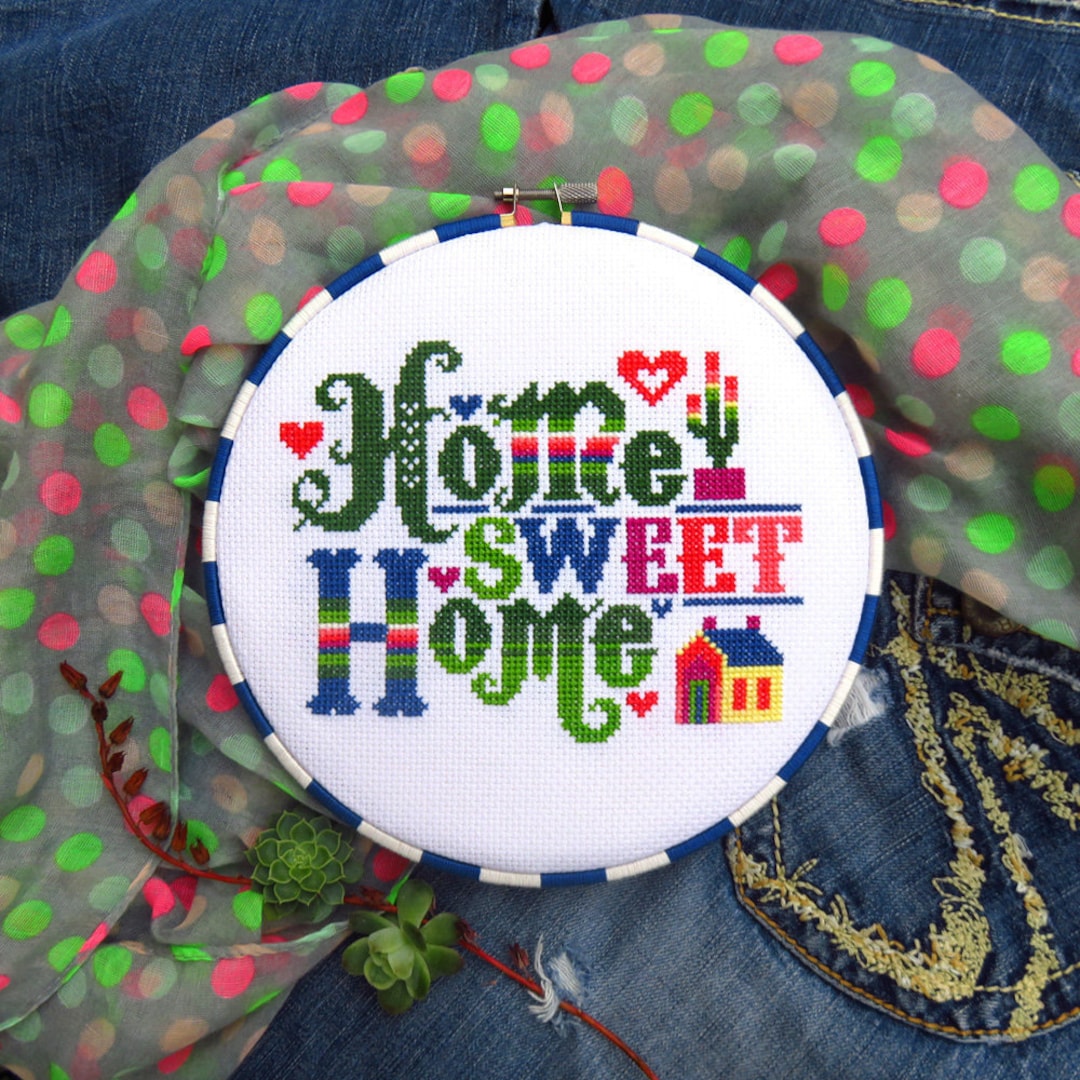
Imagine a needle dancing across fabric, bringing to life a scene of comforting familiarity. With each careful stitch, a simple design transforms into a tangible expression of warmth and belonging, a miniature tapestry whispering tales of hearth and happiness. The act of creating such a piece is more than just a hobby; it’s an invitation to slow down, to savor the present moment, and to infuse a personal touch into the everyday.
The art of decorative needlework boasts a rich tapestry of its own, with roots stretching back centuries. From the intricate samplers of young women honing their skills to the heartfelt expressions of simpler times, needle and thread have long been used to commemorate milestones, express emotions, and adorn living spaces. It represents a tangible link to generations past, carrying forward a tradition of artistry and dedication.
Its enduring appeal lies, in part, to the simplicity of the craft. Armed with basic supplies and a desire to create, anyone can embark on this artistic journey. Whether a complete novice or an experienced artisan, the accessibility of patterns and techniques provides a rewarding experience. The process encourages mindfulness and focus, making it an ideal activity for those seeking relaxation and creative fulfillment.
From quaint country scenes to modern geometric designs, the creative options are boundless. Traditional samplers showcasing alphabets and motifs remain popular, while contemporary interpretations embrace vibrant colors and personalized embellishments. The evolving landscape ensures that there’s always a fresh and inspiring project to discover, reflecting the ever-changing tastes and trends of the crafting world.
The following guide will provide insights into the process, tips for selecting the right materials, and inspiration for embarking on a creative endeavor that transforms thread and fabric into cherished keepsakes that celebrate the essence of ‘home’. It invites the reader to explore the possibilities and begin stitching a piece of heartfelt artistry.
Welcoming Sentiment
The essence of “home sweet home cross stitch” lies deeply intertwined with the concept of a welcoming sentiment. These stitched pieces serve as visual declarations of warmth and hospitality, extending an unspoken invitation to those who enter. The very act of dedicating time and skill to create such an artwork speaks volumes about the care and attention invested in cultivating a comfortable and inviting atmosphere. It is about transforming a house into a haven. A common example could be the placement of a cross-stitched “home sweet home” piece near the entryway. Its visibility conveys a sense of openness and signals that the space is one of solace and acceptance.
The visual elements of the cross stitch design further amplify this welcoming sentiment. The selection of colors, often leaning towards warm and earthy tones, contributes to a sense of coziness. The inclusion of familiar imagery, such as flowers, birds, or traditional houses, evokes feelings of nostalgia and comfort. The careful choice of font for the phrase “home sweet home” can also impact the overall tone, ranging from playful and whimsical to elegant and refined, ensuring it reflects the personality of the inhabitants and the intended ambiance. Furthermore, the act of gifting a “home sweet home” cross stitch piece as a housewarming present encapsulates the spirit of wishing the recipient a life filled with happiness and contentment in their new dwelling.
In conclusion, the welcoming sentiment is not merely an abstract concept but a vital ingredient in the emotional impact of a “home sweet home” cross stitch creation. By understanding this connection, the craftsperson can consciously infuse their work with elements that enhance the feeling of hospitality and warmth. It transforms a simple stitchwork into a meaningful expression of care, creating a tangible representation of the comforting embrace that a home should provide. It bridges the gap between decor and heartfelt expression, offering a unique avenue to communicate welcome to both residents and visitors alike.
Detailed Craftsmanship
Detailed craftsmanship is the backbone of every exceptional “home sweet home cross stitch” creation. It elevates the piece from a simple hobby project to a cherished work of art, imbuing it with a sense of value and permanence. The impact of diligent stitchwork is immediately apparent in the clean lines, even tension, and overall visual harmony of the finished product. Consider a cross stitch piece depicting a quaint cottage scene; meticulous attention to detail in shading, color blending, and the precise placement of each stitch brings depth and realism to the image, transforming it from a flat representation into a captivating miniature landscape. Without this level of craftsmanship, the artwork risks appearing amateurish and lacking the emotional resonance intended.
The importance of detailed craftsmanship extends beyond mere aesthetics. It also contributes significantly to the longevity of the cross stitch. Using high-quality threads, carefully securing each stitch, and maintaining consistent tension throughout the project helps prevent unraveling, fading, and distortion over time. For instance, a family heirloom passed down through generations, displaying intricate cross stitch details, demonstrates the enduring legacy of skilled craftsmanship. Furthermore, appreciating the technical aspects of cross stitch can transform the crafting process itself. An understanding of different stitch types, fabric counts, and thread weights empowers the artisan to make informed decisions that enhance the final result. This expertise allows for the incorporation of advanced techniques, such as fractional stitches for creating smoother curves and blended threads for achieving subtle color gradients.
In summary, detailed craftsmanship is not merely an optional add-on but an integral component of a “home sweet home cross stitch”. It ensures not only visual appeal but also the durability and lasting value of the artwork. By embracing meticulous techniques and paying close attention to every stitch, the artisan elevates the craft into a form of artistic expression that resonates with warmth, beauty, and a deep appreciation for the art of needlework. This commitment to quality transforms a simple piece of fabric into a treasured keepsake, embodying the very essence of “home sweet home.”
Personal Expression
Within the realm of “home sweet home cross stitch,” personal expression unfurls as the artisan’s unique signature, transforming a pre-defined pattern into a deeply personal statement. It’s more than just following instructions; it’s about infusing the artwork with individual style, memories, and heartfelt sentiments, creating a piece that resonates with the creator’s soul and reflects the specific atmosphere of their dwelling.
-
Color Palette Selection
The chosen color palette acts as a direct reflection of personal taste and the desired ambiance of the home. Where a cool, muted palette might evoke a sense of tranquility, a vibrant, bold selection could inject energy and playfulness into the space. Consider a cross stitch of a blossoming garden; the selection of rosy pinks, sunny yellows, and verdant greens mirrors the homeowner’s love for nature and a vibrant, joyful outlook on life. This deliberate selection transforms a generic floral design into a deeply personal declaration of aesthetic preferences.
-
Inclusion of Personal Motifs
Departing from traditional designs to incorporate motifs that hold personal significance is a powerful form of self-expression. These additions might include a stitched representation of a beloved pet, a significant date, initials, or symbols that carry personal meaning. Imagine a “home sweet home” design incorporating tiny cross-stitched musical notes alongside the phrase; these notes represent the family’s shared love of music and transform the piece into a unique testament to their collective passion. It’s about weaving individual stories into the fabric of the artwork.
-
Font and Lettering Style
The font used for the phrase “home sweet home” can profoundly alter the overall feel of the piece. A script font might convey elegance and sophistication, while a blockier, more modern font could project a sense of boldness and contemporary style. A cross stitch that blends different font styles can highlight specific words or add whimsical elements to design. This approach reflects the nuances of the designer’s personality, and can give a new and compelling depth to the piece.
-
Custom Border Designs
The border surrounding the central design offers another opportunity for individual expression. Choosing to embellish the perimeter with intricate floral patterns, geometric shapes, or even abstract designs allows the artisan to further personalize the artwork. A “home sweet home” piece with a border of tiny paw prints could signify the important role pets play in the household, making it clear that home is where those beloved companions reside. Such thoughtful additions transform the piece into a treasured memento, filled with personal meaning and reflecting the unique composition of the inhabitants.
By carefully considering and implementing these elements, any cross stitch design can be transformed into a unique statement reflecting the tastes, experiences, and sentiments of the artisan and the inhabitants of the home it adorns. It extends beyond mere decoration, becoming a tangible representation of individuality and a warm, heartfelt welcome to all who enter. The possibilities are nearly limitless. Therefore, with each project, the opportunity to express ones self in a new and exciting light also expands.
What Youll Need to Stitch “Home Sweet Home”
Getting started with a “home sweet home” cross stitch project is easier than you might think! Here’s a breakdown of the essential tools and materials you’ll need to bring your creative vision to life:
- Aida Cloth: This is the foundation of your cross stitch. Aida cloth is an even-weave fabric with clearly defined holes that make it easy to create neat, uniform stitches. Choose a size appropriate for your design (the pattern will usually specify this). Common sizes are 14-count (14 stitches per inch) or 16-count.
- Embroidery Floss (Thread): Cross stitch uses stranded embroidery floss, typically made of cotton. It comes in a vast array of colors. Your pattern will include a color chart, usually listing DMC numbers (a standard floss numbering system), so you know exactly which shades to use.
- Embroidery Needle: A blunt-tipped needle with a large eye is ideal for cross stitch. This type of needle easily passes through the holes in the Aida cloth without splitting the fibers. A size 24 or 26 needle is usually a good choice.
- Embroidery Hoop (or Frame): While not strictly essential, an embroidery hoop or frame will keep your fabric taut, preventing it from puckering and making your stitches more even. Choose a hoop size that is slightly larger than your design.
- Scissors: A small pair of sharp scissors is necessary for cutting your floss and trimming any stray threads.
- Pattern: A clear, easy-to-follow pattern is crucial. Patterns can be found in books, online, or purchased as kits. Make sure the pattern includes a color chart, a stitch diagram, and instructions.
-
Optional but Helpful:
- Needle Threader: Makes threading the needle much easier, especially with multiple strands of floss.
- Floss Organizer: Keeps your floss organized and prevents tangling. These can be cardboard or plastic organizers.
- Magnifying Glass: If you find it difficult to see the holes in the Aida cloth, a magnifying glass can be very helpful.
- Good Lighting: Proper lighting is essential for comfortable stitching.
Preparation Tips
Before you dive into stitching, taking a few moments to prepare will make the process much smoother and more enjoyable:
Fabric Prep: It’s a good idea to finish the edges of your Aida cloth to prevent fraying. You can do this with a serger, zigzag stitch on a sewing machine, or by applying masking tape or fray check to the edges.
Thread Organization: Separate your embroidery floss colors according to the pattern’s color chart. You can use a floss organizer or simply label each color with a piece of paper. Cut your floss into manageable lengths (about 18 inches) to prevent tangling.
Pattern Familiarization: Take some time to familiarize yourself with the pattern before you start stitching. Identify the symbols used for each color, understand the stitch diagram, and note any special instructions.
Comfort and Safety: Choose a well-lit and comfortable workspace. Good posture is essential to avoid back pain. Take frequent breaks to stretch and rest your eyes. If you’re using a magnifying glass, make sure it’s properly positioned to avoid straining your neck.
Step-by-Step Instructions
Embark on your cross-stitch journey with this simple and satisfying “Home Sweet Home” project! Follow these steps carefully, and you’ll create a beautiful piece of art.
Step 1
First, cut your Aida cloth to a size that is several inches larger than your chosen pattern on all sides. This excess fabric will allow for easier handling and framing later. Then, to prevent fraying, use masking tape, fray check, or a zigzag stitch on a sewing machine to finish the edges of the fabric. This step is crucial for preserving the integrity of your work.
Step 2
Determine the center of your Aida cloth by folding it in half lengthwise and then in half widthwise. Crease the folds gently to mark the center point. This center point will typically correspond to the center of your cross stitch pattern. Many patterns indicate the center point with arrows.
Step 3
Cut a length of embroidery floss (approximately 18 inches) in the first color you’ll be using according to your pattern’s color chart. Separate the floss into the number of strands recommended by your pattern (usually two or three). Thread your embroidery needle with these strands, bringing the two ends together. A needle threader can be helpful for this step!
Step 4
Begin stitching from the back of the fabric. Bring your needle up through the hole at the bottom left corner of your first stitch. Leave a small tail of floss (about an inch) at the back. Hold this tail against the back of the fabric as you make your first few stitches; this will secure it without needing to tie a knot.
Step 5
Bring your needle diagonally across the square to the top right corner and insert it through the hole. This completes the first half of your cross stitch. Ensure that all your first halves of your crosses are going in the same direction!
Step 6
Bring your needle up through the bottom right corner of the square. Then, bring your needle diagonally across to the top left corner and insert it through the hole. You have now completed one full cross stitch! The direction of the second half of the cross should be the opposite of the first half, completing the “X” shape.
Step 7
Continue stitching across your pattern in a row, making each half stitch, and then coming back to complete the cross. This method helps maintain consistent tension and creates a neater appearance.
Step 8
When you need to change colors, run the needle under a few stitches on the back of your work to secure the end of the current thread. Then, trim the excess floss. Thread your needle with the new color, and repeat the securing process to start the new color. It is important that you do not tie any knots!
Step 9
Carefully follow your pattern, using the color chart as your guide. Count your stitches accurately to ensure your design is accurate to your pattern. Double-check your work frequently, especially when working with complex designs.
Step 10
Once you’ve completed all the stitching, turn your work over to the back. Secure the ends of all floss by running the needle under several stitches and trimming the excess. Remove your project from the hoop and give it a gentle press with an iron on a low setting, placing a clean cloth between the fabric and the iron.
Step 11
Now that your “Home Sweet Home” cross stitch is complete, you can choose how to display it. Framing is a popular option, but you could also mount it in an embroidery hoop, turn it into a pillow, or incorporate it into another craft project. Enjoy the satisfaction of creating a beautiful piece of art for your home or to give as a heartfelt gift!
Creating a “home sweet home” cross stitch is more than just following a pattern; it’s about stitching warmth, comfort, and a touch of your personality into every X. The meditative rhythm of the needle and thread, the gradual unveiling of the design, and the satisfaction of creating something beautiful with your own hands make this project a truly rewarding experience. Plus, you end up with a charming piece of art that adds a personal touch to your living space or makes a thoughtful, handcrafted gift for someone special.
In a world often dominated by mass-produced items, the “home sweet home” cross stitch stands as a testament to the value of handmade craftsmanship. It’s a gentle reminder to slow down, appreciate the simple things, and infuse our surroundings with pieces that reflect our individual stories and artistic sensibilities.
Ready to give it a try? We encourage you to pick up a needle and thread and embark on this creative adventure! We’d absolutely love to see your finished projects, so please feel free to share photos of your “home sweet home” cross stitch creations. Or, if you have any questions or tips to share, leave a comment below we’d love to hear from you!
Happy stitching!
Images References :
Image used for illustration purposes only. All rights belong to their respective owners.



