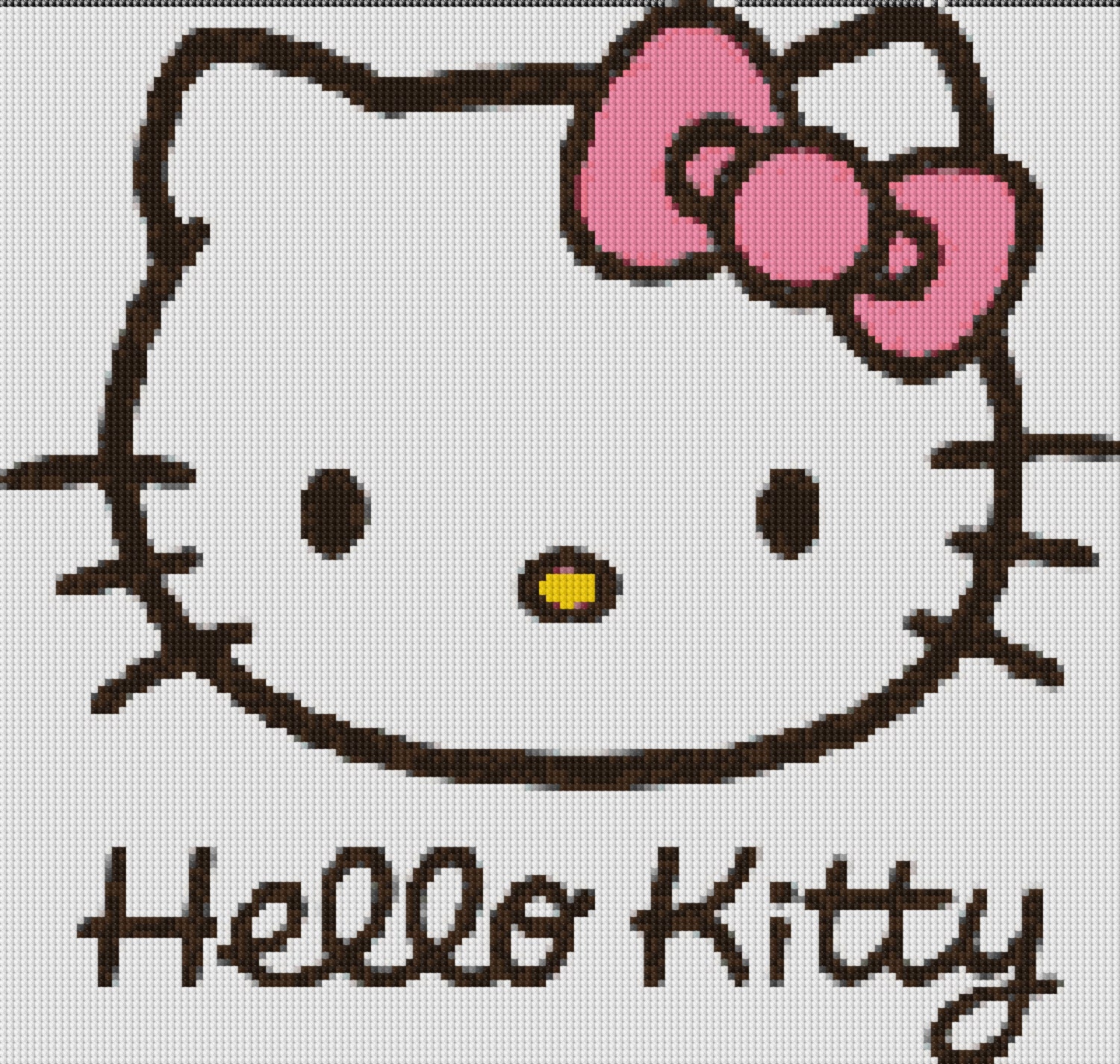
Imagine a world painted in tiny “x”es, each stitch a brushstroke bringing to life beloved characters and charming scenes. A canvas blooms under careful hands, transforming simple fabric into a testament of patience and artistry. The result is more than just a finished piece; it’s a tangible expression of affection, nostalgia, and the sheer delight of creation. The joy of witnessing a cherished image gradually emerge from a sea of threads is an unparalleled reward for the dedicated crafter.
This timeless art form has roots stretching back centuries, evolving from practical mending techniques to a treasured form of decorative expression. Passed down through generations, it carries a rich legacy of cultural heritage, a quiet rebellion against the fleeting nature of modern trends. The enduring appeal lies in its ability to connect us to a slower pace, a mindful act of creation that honors tradition while embracing individual creativity.
One of the beautiful aspects of this needlework is its inherent accessibility. Whether a complete novice or seasoned artisan, the fundamental techniques are readily mastered. The only tools needed are a needle, thread, fabric, and an inspiring vision. It’s a craft that welcomes all levels of experience, allowing even beginners to achieve stunning results with a bit of dedication and a splash of imagination.
The possibilities within this craft are virtually limitless. From miniature ornaments to elaborate wall hangings, from vintage-inspired motifs to contemporary designs, the creative landscape is constantly evolving. Personalization is at the heart of its appeal, as individual color choices, embellishments, and modifications allow for the creation of truly unique and heartfelt expressions.
This guide delves into the specifics of crafting endearing works of art with needle and thread. Whether seeking detailed instructions, inspiration for future projects, or a deeper understanding of techniques, it is intended as a resource to unlock the boundless potential of the craft and transform simple stitches into cherished treasures.
Character Authenticity
The charm of any cross stitch design featuring the iconic Hello Kitty hinges on faithful representation. Character Authenticity isn’t merely about replicating colors; it’s about capturing the very essence of the beloved feline. A slight deviation in the curve of her bow, the spacing between her eyes, or the roundness of her face can subtly alter her recognizable form, impacting the overall appeal of the finished piece. Consider, for example, a design where the bow is positioned too high; the alteration can unintentionally imbue her with an expression of surprise or alarm, straying from her usual gentle demeanor. Accurate proportions and details, drawn directly from the official character designs, are paramount.
The practical significance of Character Authenticity extends beyond aesthetics. For many, these needlework projects serve as heartfelt gifts or cherished keepsakes, often intended to evoke a specific feeling of nostalgia and affection. If a design fails to capture the true spirit of Hello Kitty, the emotional impact may be diminished. Furthermore, in the world of crafting, the precision of the character rendition can influence the perceived value of the finished piece, especially if intended for sale. A faithful representation demonstrates skill and attention to detail, adding value for discerning collectors and enthusiasts.
Ultimately, ensuring Character Authenticity in a Hello Kitty cross stitch pattern requires diligent attention to detail, referencing original source materials, and embracing a commitment to accuracy. While personal artistic interpretations have their place, maintaining the integrity of the character’s core design elements is crucial for creating a cross stitch that resonates with the heart and captures the enduring magic of Hello Kitty. It is a balance of skill, respect, and dedication that transforms a simple pattern into a treasured work of art.
Color Palette
The selection of a Color Palette is paramount when embarking on a “hello kitty cross stitch pattern” project. The hues employed are more than mere decoration; they’re essential to capturing the character’s inherent charm and the mood intended for the finished piece. From the iconic red of her bow to the subtle pinks of her cheeks, each color contributes to the overall aesthetic and emotional resonance of the design.
-
Iconic Red and White: The Foundation
The quintessential image of Hello Kitty is inseparable from her crisp white fur and the vibrant red of her signature bow. These colors form the bedrock of countless designs, instantly recognizable and universally appealing. Deviating too far from these foundational colors can diminish the character’s inherent recognizability. For example, a muted or desaturated red can make the bow appear faded or dull, losing the eye-catching appeal that defines the character. The stark contrast between the red and white also accentuates Hello Kitty’s clean, simple lines, further enhancing her iconic status.
-
Pastel Softness: Evoking Gentleness
Beyond the classic red and white, pastel shades soft pinks, baby blues, and gentle yellows are frequently incorporated to create a sense of sweetness and innocence. These colors are particularly well-suited for designs intended for nurseries, children’s rooms, or as gifts for young admirers. A delicate lavender background, for instance, can enhance the image of Hello Kitty holding a bouquet of flowers, creating a scene of tranquility and gentle beauty. The strategic use of pastels softens the overall impact of the design, making it inviting and comforting.
-
Bold Accents: Adding Playful Energy
While pastels exude softness, carefully chosen bold accents can inject a dose of playful energy into a “hello kitty cross stitch pattern”. Bright blues, greens, and yellows, used sparingly, can highlight specific details or create a sense of dynamic movement. Imagine a design where Hello Kitty is holding a brightly colored balloon; the contrasting hues draw the eye and add a touch of whimsy. However, it’s essential to exercise restraint when incorporating bold colors. Overuse can overwhelm the delicate nature of the character and detract from her inherent charm.
-
Monochromatic Schemes: Subtle Elegance
For a more sophisticated and understated aesthetic, a monochromatic color scheme can be incredibly effective. Using varying shades of a single color, such as pink or gray, creates depth and visual interest without relying on bold contrasts. This approach can be particularly appealing for more mature audiences or for designs intended for home decor where a subtle touch is preferred. A monochromatic gray scale design, for example, can lend a modern and chic aesthetic to a “hello kitty cross stitch pattern”, transforming it from a playful image into an elegant piece of art.
Ultimately, the selection of a Color Palette is a crucial element in crafting a compelling “hello kitty cross stitch pattern”. The strategic use of colors, whether adhering to the classic red and white or venturing into pastel softness, bold accents, or monochromatic schemes, directly influences the mood, visual appeal, and emotional impact of the finished piece. Careful consideration and thoughtful execution of the chosen palette ensures that the cross stitch both celebrates the beloved character and reflects the unique artistic vision of the creator.
Stitch Clarity
In the realm of needlework, “Stitch Clarity” stands as a cornerstone of visual appeal, especially when crafting a “hello kitty cross stitch pattern”. It’s the defining factor that separates a crisp, professional piece from one that appears muddled or indistinct. Each “x” becomes a pixel in a larger image, and its precise placement and consistent tension contribute to the overall sharpness and legibility of the design. When stitch clarity suffers, delicate details, such as the subtle curve of Hello Kitty’s whiskers or the precise positioning of her eyes, can become lost, ultimately diminishing the character’s recognizable charm. A poorly executed piece can transform a beloved icon into an unrecognizable form, highlighting the critical role that stitch clarity plays.
Achieving optimal stitch clarity in a “hello kitty cross stitch pattern” involves several interconnected elements. Selecting high-quality thread, maintaining consistent tension, and employing proper lighting are all crucial. The choice of fabric is also influential; finer fabrics with a higher thread count allow for more detailed stitching and sharper outlines. In contrast, coarser fabrics can result in a more pixelated or blocky appearance. Consider, for instance, a design featuring intricate floral details surrounding Hello Kitty; if the stitches are uneven or poorly defined, the delicate floral motifs can blend together, creating a visually distracting effect. Proper stitch clarity, therefore, elevates the artistry of the piece, ensuring that every element contributes to a harmonious and aesthetically pleasing whole.
Ultimately, the pursuit of exceptional “Stitch Clarity” in crafting a “hello kitty cross stitch pattern” is a testament to the artisan’s dedication and skill. It is an investment in precision, patience, and a commitment to achieving the highest possible level of visual detail. By prioritizing stitch clarity, crafters not only enhance the beauty and recognizability of their Hello Kitty creations but also elevate the entire art of cross stitch. The clarity achieved is a key ingredient in transforming a simple design into a piece of art that evokes joy, nostalgia, and a deep appreciation for the craft.
Fabric Choice
The foundation upon which any “hello kitty cross stitch pattern” takes shape is the fabric. More than just a background, it’s an active participant in the creative process, directly influencing the texture, detail, and overall aesthetic of the finished piece. The choice of fabric is a decision that ripples outward, affecting stitch definition, color vibrancy, and the ease with which the artisan can bring the beloved character to life. For instance, a tightly woven linen offers a refined canvas, ideal for complex patterns and delicate shading, while a coarser Aida cloth provides a more forgiving surface for beginners, with clearly defined squares that simplify stitch placement. The wrong selection can lead to blurred details, uneven tension, and ultimately, a result that falls short of its potential.
Consider the practical implications of fabric choice in relation to specific designs. A “hello kitty cross stitch pattern” featuring intricate floral embellishments requires a fabric with a higher thread count, allowing for the creation of finer details and sharper outlines. Attempting to execute such a pattern on a loosely woven fabric can result in a loss of definition, causing the delicate floral motifs to appear indistinct and muddled. Conversely, a simpler, more geometric design might be perfectly suited to Aida cloth, where the clearly defined grid simplifies the stitching process and ensures even spacing. Furthermore, the color of the fabric can subtly influence the perceived tones of the thread, adding another layer of complexity to the decision-making process. A light-colored fabric will allow the thread colors to appear truer to their original shades, while a darker fabric can create a more dramatic and contrasting effect.
In summary, the connection between “Fabric Choice” and a “hello kitty cross stitch pattern” is one of profound interdependence. It is a decision that directly impacts the clarity, texture, and overall visual appeal of the finished piece. By carefully considering the intricacies of the design, the desired level of detail, and the intended aesthetic, the artisan can select the perfect fabric to bring their creative vision to life. The result is not merely a finished cross stitch, but a testament to the power of informed decision-making and the artistry that lies within the details. The appropriate fabric provides a supportive and visually enhancing ground that elevates the artistry inherent in a well-designed and lovingly stitched “hello kitty cross stitch pattern.”
What You’ll Need to Start Your Hello Kitty Cross Stitch Adventure
Getting ready to create a charming Hello Kitty cross stitch doesn’t require a mountain of supplies. With a few essential items, you’ll be ready to embark on your stitching journey!
- Embroidery Hoop or Frame: This keeps your fabric taut, making it easier to stitch evenly. A hoop is a simple circle, while a frame is usually rectangular and larger, offering more support. Choose a size appropriate for your pattern.
- Aida Cloth: This is the most common fabric for cross stitch. It has evenly spaced holes that make it easy to create uniform stitches. The “count” refers to the number of stitches per inch; a higher count means smaller stitches and a more detailed picture. 14-count Aida is a good starting point.
- Cross Stitch Needles: These needles have a blunt tip and a large eye, perfect for slipping between the fabric threads without splitting them. Size 24 or 26 needles are often used with 14-count Aida.
- Embroidery Floss (Thread): DMC and Anchor are popular brands. The pattern will specify the colors and amounts you need. Don’t be afraid to choose your own colors to personalize your project!
- Scissors: Small, sharp scissors are essential for cutting your floss and trimming any stray threads.
- Pattern: This is your roadmap! It shows you where to place each stitch. Patterns can be printed, digital, or found in books.
- Needle Threader (Optional): If you find it tricky to thread your needle, a needle threader can be a lifesaver.
- Good Lighting: Proper lighting is crucial to prevent eye strain and ensure you can see the fabric and pattern clearly.
Preparation Tips for a Smooth Start
Before you dive into stitching, take a few moments to prepare your materials. This will make the process more enjoyable and less frustrating. Start by washing and ironing your Aida cloth to remove any creases and prevent shrinkage later. Then, find the center of your fabric by folding it in half lengthwise and widthwise, and mark the center point with a pin or a washable fabric marker. This will help you position your pattern correctly.
Organize your embroidery floss. Many stitchers use floss organizers or bobbins to keep their threads neat and tangle-free. Label each compartment or bobbin with the corresponding color number from the pattern. When threading your needle, separate the embroidery floss into strands. Most cross stitch is done with two strands of floss, but your pattern will specify the number needed. Remember to work in a well-lit area, take breaks to avoid eye strain, and maintain good posture to prevent back and neck pain. With a little preparation, you’ll be ready to create a beautiful Hello Kitty masterpiece!
Step-by-Step Instructions
Follow these simple steps to create your very own Hello Kitty cross stitch masterpiece. This guide is designed for beginners, so don’t worry if you’re new to this craft!
Step 1
Begin by locating the center of your Aida cloth. Gently fold the fabric in half lengthwise, and then in half widthwise. Crease lightly at the folds. The intersection of these folds marks the precise center of your fabric; mark this point with a pin or a fabric marker.
Step 2
Cut a length of embroidery floss, approximately 18 inches long. Separate two strands of floss from the six-strand thread. Thread these two strands through the eye of your cross stitch needle. If you’re having trouble, a needle threader can be a helpful tool. Tie a knot at the end of your floss.
Step 3
Refer to your Hello Kitty cross stitch pattern. Find the center stitch marked on the pattern, which corresponds to the center of your fabric. Bring your needle up from the back of the fabric through the bottom-left corner of the stitch. Then, bring the needle down through the upper-right corner of the stitch. This creates your first half-stitch.
Step 4
Now, bring your needle up from the back of the fabric through the bottom-right corner of the same stitch. Then, bring the needle down through the upper-left corner of the stitch. This completes your first cross stitch. Ensure the top stitch of each cross goes in the same direction for a uniform look. For example, always have the top stitch going from bottom-right to top-left.
Step 5
Continue stitching across the row according to your pattern. When stitching a row of the same color, it’s often more efficient to complete all the half-stitches in one direction first, then return to complete the top half of each cross stitch. This technique is known as the “Danish Method.”
Step 6
When you need to change colors, bring your needle to the back of your work and weave the thread under several stitches of the same color to secure it. Trim the excess thread close to the fabric. Then, thread your needle with the new color and repeat the process from Step 3.
Step 7
Once you’ve completed all the stitching according to your “hello kitty cross stitch pattern”, remove your fabric from the hoop or frame. Gently hand-wash your finished cross stitch with mild soap and lukewarm water. Lay it flat on a clean towel to dry. Once dry, iron it face down on a soft towel using a low setting. Finally, frame your masterpiece or use it to embellish a pillow, bag, or other craft project.
Step 8
Congratulations! You’ve completed your first Hello Kitty cross stitch. Take a moment to appreciate your hard work and enjoy the fruits of your creative labor!
Creating a “hello kitty cross stitch pattern” is more than just following a chart; it’s a chance to unwind, express your creativity, and bring a touch of adorable nostalgia into your life. The repetitive motion of the needle can be incredibly soothing, allowing you to escape the stresses of the day and focus on the simple pleasure of creating something beautiful with your own hands. Plus, the end result is a charming piece of art that you can cherish for years to come or gift to a fellow Hello Kitty enthusiast.
In a world dominated by fleeting trends, the enduring appeal of cross stitch lies in its timeless quality and its ability to connect us to a rich tradition of craftsmanship. It’s a testament to the power of patience, attention to detail, and the joy of transforming simple materials into something truly special. A completed “hello kitty cross stitch pattern” is not just a finished project; it’s a reflection of your dedication, your artistic vision, and your love for this iconic character.
So, what are you waiting for? Grab your needle, thread, and Aida cloth, and dive into the wonderful world of Hello Kitty cross stitch! We’d absolutely love to see what you create! Share your finished projects with us online or leave a comment below we’re always thrilled to see the amazing things our readers are capable of. Don’t be afraid to put your own spin on the designs and let your creativity shine!
Happy stitching!
Images References :
Image used for illustration purposes only. All rights belong to their respective owners.



