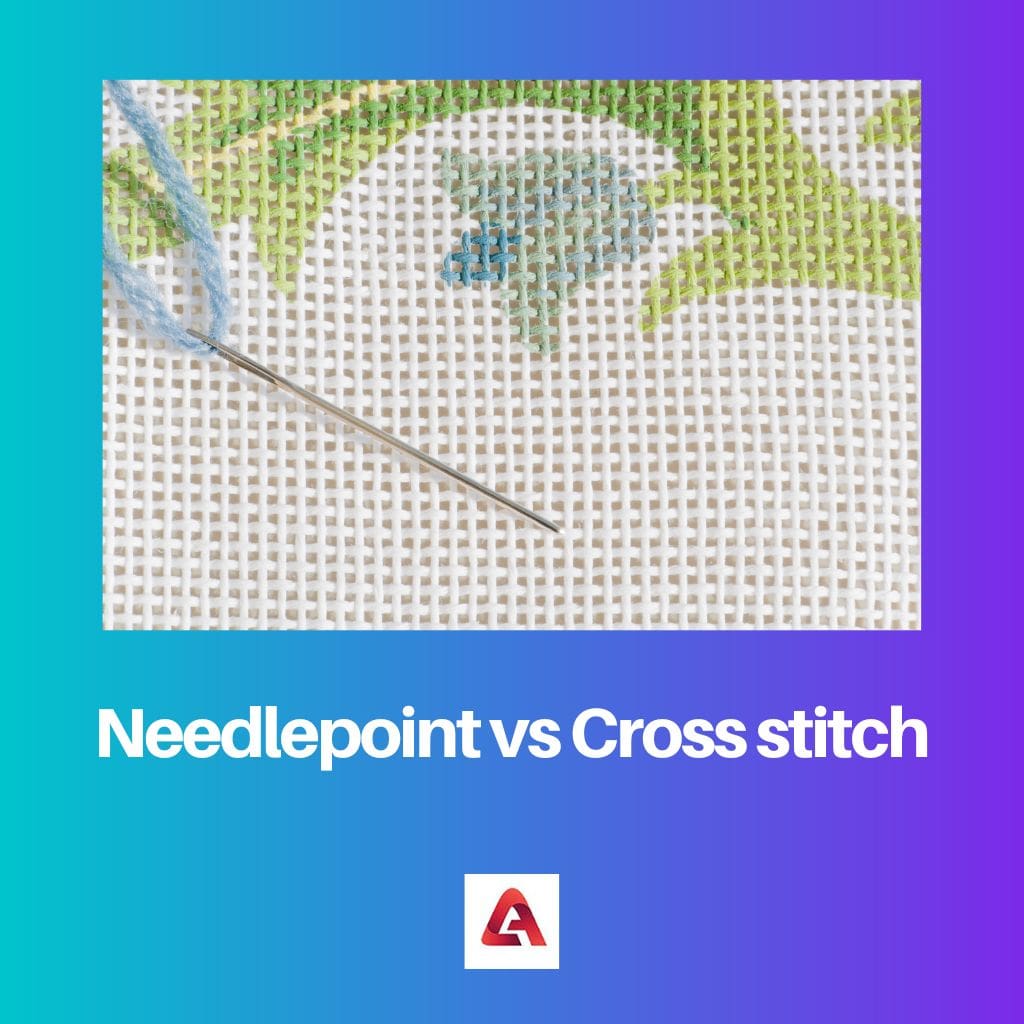
Imagine the rhythmic dance of a needle, pulling vibrant threads through fabric, slowly building a tapestry of color and texture. The finished piece, a testament to patience and precision, offers not just visual beauty, but a profound sense of accomplishment. It’s a mindful escape, a chance to create something enduring with one’s own hands, a tangible representation of focused creativity. The world of embroidery offers many avenues to explore this joy, each with its unique charm and technique.
From humble beginnings as a practical means of mending and reinforcing textiles, decorative needlework has blossomed into a diverse art form embraced across cultures and centuries. Ancient tapestries tell stories of bygone eras, while samplers stitched by young women offer glimpses into personal histories. The tradition of embellishing cloth with thread connects us to a rich heritage of artistry and ingenuity, a continuous thread woven through time.
The appeal of these textile arts lies in their accessibility. With minimal tools and readily available materials, anyone can embark on this creative journey. Whether seeking a calming pastime or a complex artistic challenge, the possibilities are vast. Simpler techniques offer immediate gratification, while more intricate designs provide ample opportunity for skill development and artistic expression. It is a craft where both beginners and seasoned artisans can find equal satisfaction.
Within this world of stitched artistry, numerous styles and approaches exist. From delicate floral motifs to bold geometric patterns, from realistic portraits to abstract expressions, the canvas of fabric invites endless experimentation. Traditional techniques are constantly being reinterpreted with modern designs and innovative materials, ensuring that the art form remains vibrant and relevant in the 21st century. This constant evolution sparks curiosity and encourages the exploration of personal styles.
Often, newcomers find themselves wondering about the specific characteristics of the various forms of embroidery. To understand the nuances of the craft, a closer examination of two popular techniques is worthwhile. This article will delve into the distinct qualities of two such approaches, providing a clear understanding of their techniques, applications, and the unique beauty they each offer.
Fabric and Mesh
The foundation of any stitched artwork lies in the choice of material, and this is where a key distinction between cross stitch and needlepoint emerges. Cross stitch relies on the regularity of evenweave fabrics. These fabrics, such as Aida cloth or linen, are woven in a way that creates perfectly uniform squares. These consistent intersections provide the ideal grid for forming neat and even crosses. Without this precise grid, achieving the crisp, pixelated look characteristic of cross stitch designs would be exceedingly difficult. Imagine trying to create a detailed image from a mosaic using unevenly sized tiles the effect would be skewed and lack definition. Similarly, the integrity of a cross stitch pattern depends on the predictable structure of its fabric base.
Needlepoint, on the other hand, thrives on the open structure of mesh canvas, often made of stiff cotton or plastic. This canvas, with its clearly defined holes, allows the needleworker to completely cover the underlying material with stitches. The rigidity of the canvas provides stability, enabling the use of a wide range of stitch types and the creation of textured surfaces. Unlike cross stitch, the mesh canvas is entirely concealed beneath the embroidery, acting as a framework rather than a visible component of the finished piece. Think of the canvas as the supporting beams of a house essential for the structure’s integrity but ultimately hidden behind the walls.
In essence, the selection of fabric or mesh determines not only the aesthetic outcome but also the entire process of creating the stitched artwork. The evenweave fabric of cross stitch mandates a precise, geometric approach, while the open mesh of needlepoint empowers a more free-form and textural exploration. Understanding this fundamental difference is the first step in appreciating the unique potential of each craft and choosing the approach that best aligns with one’s creative vision.
Stitch Formation
The manner in which individual stitches are created forms a cornerstone of the divergence between cross stitch and needlepoint. The very name “cross stitch” reveals its essence: each stitch is formed by two intersecting diagonal lines, creating an “X” upon the fabric. This consistent repetition of a single, defined stitch produces a uniform and grid-like appearance. The pattern emerges through the arrangement of these crosses in various colors, like pixels forming an image on a screen. Consider a simple floral motif in cross stitch: the delicate petals are built up from carefully placed crosses, each contributing to the overall shape and color gradient. The precision of this stitch is paramount to achieving the desired clarity and detail.
Needlepoint, in contrast, embraces a far broader vocabulary of stitches. Beyond simple tent stitches (a basic diagonal stitch), variations such as basketweave, continental, and half-cross stitches come into play. More elaborate decorative stitches like Bargello, French knots, and Smyrna crosses add layers of texture and visual interest. Imagine a needlepoint cushion depicting a landscape: the distant mountains might be rendered in long, vertical stitches to suggest height, while the foreground could be filled with textured knots mimicking the rough bark of trees. The flexibility in stitch selection allows for a more painterly approach, where the texture and direction of the stitches contribute significantly to the design’s depth and character. In effect, needlepoint harnesses a rich palette of stitching techniques to shape the final appearance.
The practical significance of understanding stitch formation lies in its impact on both the creative process and the finished product. Cross stitch offers a structured and predictable experience, ideal for those who appreciate precision and order. Needlepoint, with its diverse stitch library, invites experimentation and allows for a more expressive and tactile outcome. Choosing between the two involves considering not only the desired aesthetic but also the individual’s preferred style of working. The core difference in stitch formation illuminates the contrasting philosophies behind each craft, paving the way for informed artistic choices and rewarding creative endeavors.
Design Complexity
The level of intricacy achievable within a stitched piece represents another significant divergence between cross stitch and needlepoint. Cross stitch designs are inherently constrained by the grid-like nature of the fabric and the singular “X” stitch. This lends itself beautifully to patterns with clear, geometric shapes and pixelated imagery. Think of classic sampler designs or stylized floral motifs; the charm lies in their ordered simplicity. Detailed shading and complex curves are difficult to achieve with cross stitch alone, although fractional stitches can offer some gradation. The medium thrives when replicating images originally created using a limited color palette, such as vintage video game sprites or early computer graphics, where the design aesthetic embraces a blocky, simplified form.
Needlepoint, however, provides a much wider canvas for complexity. The freedom to employ diverse stitch types allows for intricate shading, realistic textures, and flowing, organic forms. A skilled needlepointer can effectively “paint” with thread, using variations in stitch direction and density to create depth and dimension. Consider a needlepoint portrait; subtle changes in stitch angle and color can capture the nuances of light and shadow on the subject’s face, resulting in a remarkable degree of realism. The lack of a rigid grid also allows for greater fluidity in design, making it possible to execute complex curves and intricate details with relative ease. Moreover, needlepoint patterns can easily incorporate embellishments like beads or specialty threads for added texture and visual interest, further increasing the design potential.
Ultimately, the choice between cross stitch and needlepoint depends on the desired level of complexity and the intended visual impact. Cross stitch offers a rewarding path to creating charming, graphic designs, while needlepoint opens doors to highly detailed, textural masterpieces. Understanding this difference empowers the craftsperson to select the technique that best suits their artistic goals, leading to more fulfilling and impressive creative outcomes. The design itself dictates, in many ways, the most appropriate medium for its realization. The perceived limitations of one become the strength of the other, highlighting the beauty in both disciplines.
Coverage Density
Coverage density, referring to the extent to which the underlying fabric or canvas is obscured by stitches, stands as a crucial distinction when considering the difference between cross stitch and needlepoint. This single factor profoundly impacts the finished piece’s appearance, durability, and overall aesthetic appeal.
-
Fabric Visibility in Cross Stitch
Cross stitch, by its very nature, often allows portions of the base fabric to remain visible. Depending on the thread count of the fabric and the thickness of the floss used, small squares of the background material can peek through between the stitches. While this can contribute to a delicate and airy feel, it also means that the color and texture of the fabric play a role in the final design. A lighter fabric will create a brighter finished piece, whereas a darker one can add depth and contrast. This visible fabric is a characteristic of cross stitch and can be used to artistic effect. The choice of fabric color, therefore, becomes an integral design element.
-
Complete Canvas Coverage in Needlepoint
In contrast to cross stitch, needlepoint aims for complete coverage of the canvas. The goal is to ensure that no part of the mesh remains visible beneath the embroidery. This creates a dense, robust fabric with a luxurious feel. The threads effectively become the canvas, allowing for richer colors and greater durability. This complete coverage is essential for the structural integrity of the piece, especially in items like cushions or rugs, which are subject to wear and tear. The absence of visible canvas also lends a more professional and polished look.
-
Impact on Color Saturation
The difference in coverage density directly affects the saturation of colors in the finished artwork. In cross stitch, the underlying fabric can slightly dilute the thread’s color, resulting in a softer, more muted palette. Needlepoint, with its full coverage, allows the colors to appear bolder and truer to their original shade. This is particularly important when working with intricate designs that rely on subtle color gradations to create depth and realism. The complete coverage ensures that the intended colors are accurately represented.
-
Durability and Longevity
The density of stitches also impacts the durability of the finished piece. Needlepoint, with its complete coverage, creates a stronger, more resilient fabric that can withstand more wear and tear. This makes it an ideal choice for items that will be frequently used or handled, such as upholstery or accessories. Cross stitch, while beautiful, may be more prone to damage if the fabric is exposed or if the stitches are not tightly secured. Therefore, the intended use of the project often dictates which technique is more appropriate from a practical standpoint.
The varying degrees of coverage density highlight one of the most fundamental differences between cross stitch and needlepoint. Cross stitch embraces the interplay between thread and fabric, creating a lighter, more delicate effect. Needlepoint, with its full coverage, emphasizes richness, durability, and color saturation. Understanding this distinction empowers craftspeople to choose the technique that best suits their aesthetic preferences and the practical requirements of their project. One aims for a peekaboo presentation, the other for complete opacity; two distinct artistic choices, each with its own merits.
What You’ll Need for Cross Stitch
- Evenweave Fabric: Aida cloth is a popular choice, with its easy-to-see holes. Linen is another option, offering a more delicate look. Choose the thread count (holes per inch) based on your pattern and desired stitch size.
- Embroidery Floss: Cotton floss is most common, available in a rainbow of colors. Each strand is made up of six smaller threads; you can separate them to adjust the thickness of your stitches.
- Embroidery Needle: A blunt-tipped needle with a large eye is essential for easy threading and preventing snags on the fabric.
- Embroidery Hoop or Frame: This keeps your fabric taut, making stitching easier and preventing puckering. Choose a size that fits comfortably in your hands.
- Cross Stitch Pattern: Available as printed charts or digital downloads. These patterns use symbols to represent different colors of floss.
- Scissors: Small, sharp scissors for trimming your floss.
- Optional: Needle minder (to hold your needle when not in use), thread organizer, good lighting.
What You’ll Need for Needlepoint
- Needlepoint Canvas: Available in various mesh sizes (holes per inch). Interlock canvas is durable and prevents fraying.
- Needlepoint Yarn: Wool, cotton, or silk yarn are common choices. The thickness of the yarn should match the mesh size of your canvas.
- Needlepoint Needle: A blunt-tipped needle with a large eye, similar to a cross stitch needle.
- Stretcher Bars or Frame: These are crucial for keeping your canvas taut and preventing distortion, especially for larger projects.
- Needlepoint Pattern or Design: Can be painted directly onto the canvas or followed from a chart.
- Scissors: For trimming yarn.
- Optional: Needle threader, laying tool (for controlling yarn direction), stitch guide, good lighting.
Preparation Tips
For Cross Stitch: Before starting, find the center of your fabric by folding it in half lengthwise and widthwise. This is usually where the pattern begins. Secure your fabric in the embroidery hoop, ensuring it is taut but not stretched. Separate your floss into the desired number of strands. Thread your needle and you’re ready to go!
For Needlepoint: Secure your canvas to stretcher bars using tacks or staples, pulling it taut and square. Binding the edges of the canvas with masking tape or seam binding will prevent fraying. Thread your needle with the appropriate yarn, and begin stitching according to your pattern or design. Remember that each stitch should completely cover the canvas.
Safety and Comfort: Good lighting is essential for both crafts to prevent eye strain. Take breaks regularly to stretch your hands and neck. Maintain good posture to avoid back pain. A comfortable chair and a well-lit workspace will make your crafting experience more enjoyable.
Step-by-Step Instructions
This section will guide you through a simple project showcasing the difference between cross stitch and needlepoint. We’ll create two small squares, one in each technique, to help you understand the basics.
Cross Stitch Project
Creating a Simple Cross Stitch Square
Step 1
Cut a piece of Aida cloth or evenweave fabric approximately 4×4 inches. This will give you enough space to work with and allow for easy handling. If you’re using Aida cloth, the holes are already clearly defined. For linen, make sure the weave is tight and even.
Step 2
Place the fabric in an embroidery hoop, ensuring it’s taut but not overly stretched. Tighten the screw on the hoop to hold the fabric securely. A taut fabric provides a stable base for your stitches.
Step 3
Cut a length of embroidery floss (about 18 inches) and separate two strands from the six-strand floss. Thread your embroidery needle with these two strands, and tie a knot at the end. Leaving a long tail on the end to be weaved in later can also be done to prevent knot.
Step 4
Begin at one corner of your fabric. Bring the needle up through one hole, then diagonally across to the opposite hole to create the first half of your cross. Bring the needle up through the hole directly below the starting point, then diagonally across to complete the “X”. Repeat this process to create a small square of cross stitches, approximately 1 inch in size.
Step 5
Once your square is complete, turn the hoop over to the back. Weave the needle under several existing stitches to secure the thread end. Trim any excess floss close to the fabric.
Needlepoint Project
Creating a Simple Needlepoint Square
Step 1
Cut a piece of needlepoint canvas approximately 4×4 inches. Bind the edges with masking tape or seam binding to prevent fraying. This ensures that the canvas remains intact during the stitching process.
Step 2
Mount the canvas onto stretcher bars using staples or tacks, pulling it taut. This provides a stable surface and prevents the canvas from warping as you stitch. Ensure the canvas is square before securing it completely.
Step 3
Cut a length of needlepoint yarn (wool or cotton) about 18 inches long. Thread your needle with the yarn, leaving a short tail at the end to weave in later.
Step 4
Begin at one corner of your canvas. Bring the needle up through one hole, then diagonally across to the opposite hole. Bring the needle up through the hole directly to the left of the previous stitch, then diagonally across again. Continue this process, working in rows, to fill in a square approximately 1 inch in size using the continental stitch (a diagonal stitch worked in horizontal rows).
Step 5
Once your square is complete, turn the canvas over to the back. Weave the needle under several existing stitches to secure the yarn end. Trim any excess yarn close to the canvas.
Trying your hand at both cross stitch and needlepoint provides a wonderful opportunity to truly appreciate the unique qualities of each craft. Not only will you gain hands-on experience with different techniques and materials, but you’ll also discover which style resonates most with your personal aesthetic. It’s a chance to slow down, focus your mind, and create something beautiful and lasting with your own two hands.
Beyond the sheer enjoyment of the process, the finished squares serve as a tangible reminder of the rich history and diverse possibilities within the world of embroidery. Each stitch tells a story, connecting you to generations of artisans who have found solace and inspiration in the art of needlework. The simple act of creating can be deeply rewarding, fostering a sense of accomplishment and connection to a timeless tradition.
We encourage you to give this project a try! Experiment with different colors, patterns, and stitch variations to personalize your squares and make them truly your own. Don’t forget to share photos of your finished projects with us we’d love to see what you create! Feel free to leave a comment below with your thoughts, questions, or experiences with cross stitch and needlepoint.
Happy stitching!
Images References :
Image used for illustration purposes only. All rights belong to their respective owners.



