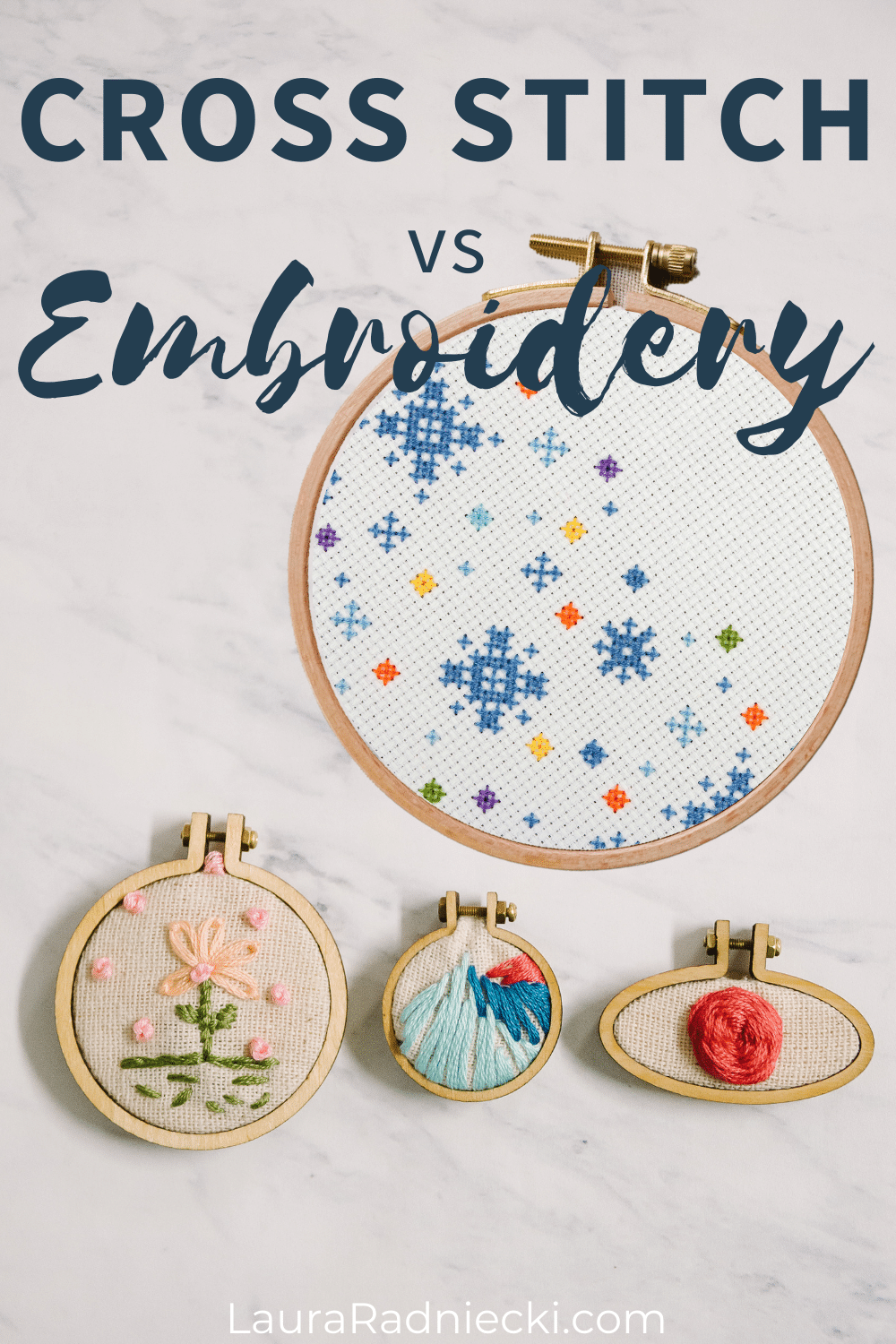
Imagine the gentle rhythm of a needle dancing across fabric, bringing vibrant colors to life with each deliberate stitch. The resulting artwork is more than just thread and cloth; it’s a tapestry of patience, precision, and personal expression. These crafts offer an avenue to transform simple materials into intricate designs, providing a sense of accomplishment and serenity amidst the hustle of daily life.
Throughout history, needlework has been a cherished form of artistic expression, adorning clothing, household items, and ceremonial objects. From ancient samplers to contemporary art pieces, the techniques have evolved across cultures and generations, carrying stories and traditions within their interwoven threads. The practice connects individuals to a rich heritage of creativity and craftsmanship.
What sets these needlework crafts apart is their versatility. Whether a beginner exploring basic stitches or an experienced artisan tackling complex patterns, there’s a project to suit every skill level and interest. The accessibility of materials and the portability of the craft make it a perfect pastime for anyone seeking a mindful and rewarding activity. Many find the repetitive nature of the stitching meditative, easing stress and promoting focus.
Today, crafters are pushing the boundaries of traditional techniques. Modern interpretations incorporate unconventional materials, bold color palettes, and innovative designs. From minimalist geometric patterns to elaborate landscapes, the range of possibilities is vast and constantly evolving. The online crafting community provides inspiration, resources, and a supportive environment for sharing ideas and showcasing finished pieces.
Embarking on a needlework project is like starting a journey of self-discovery, one stitch at a time. Before diving into your next creative endeavor, it is worthwhile to explore the subtle yet significant nuances between two popular forms of this art to make sure you are venturing into the most suitable needlecraft for your creative vision.
Stitch Formation
At the heart of differentiating cross stitch from embroidery lies the fundamental nature of how stitches are formed. This singular aspect dictates the visual texture, achievable detail, and overall character of each craft. A careful examination of stitch formation reveals why these two needlework arts offer such distinct creative pathways.
-
The Uniformity of the Cross
Cross stitch derives its name and essence from a single, consistent stitch: the cross. Formed by two intersecting diagonal stitches (usually worked as a half stitch in rows and then completed on the return), this ‘X’ becomes the building block for entire designs. The regularity of the cross stitch lends itself to geometric patterns and pixelated imagery, resulting in a distinctive, structured aesthetic. Think of a digital image rendered in fabric; that is the essence of cross stitch.
-
Embroidery’s Versatile Vocabulary
In contrast, embroidery boasts an expansive repertoire of stitches, each lending a unique texture and visual effect. From the simple straight stitch to the looped chain stitch, the raised satin stitch to the textured French knot, embroidery allows for unparalleled freedom in design execution. These diverse stitches enable the creation of flowing lines, intricate shading, and dimensional embellishments, resulting in a far more painterly or sculptural effect than cross stitch.
-
Adaptability to Pattern Complexity
The rigid structure of the cross stitch is inherently linked to gridded patterns, typically represented on charts. Each square on the chart corresponds to a single cross stitch, making it easy to translate complex designs into fabric. Embroidery, however, operates without such constraints. It allows for freehand designs and organic shapes, providing the artist with the liberty to interpret and adapt patterns according to their vision.
-
Impact on Texture and Dimension
The dense, layered nature of cross stitch creates a pronounced texture, particularly when worked on closely woven fabrics. This textured surface adds depth and visual interest to the finished piece. Embroidery stitches, on the other hand, can be manipulated to create a wide range of textures and dimensions. From smooth, flat surfaces to raised, three-dimensional elements, embroidery offers greater control over the tactile qualities of the artwork.
In essence, stitch formation is the key differentiator. The predictable, structured nature of the cross stitch fosters a disciplined, geometric style, while the versatile vocabulary of embroidery empowers the creation of fluid, expressive artwork. Understanding this core distinction allows crafters to select the technique that best aligns with their artistic goals and desired aesthetic.
Fabric Choice
The canvas upon which stitches come to life significantly influences the final piece. Fabric choice isn’t merely a practical consideration; it’s an integral element that shapes the aesthetic, texture, and overall success of needlework. The distinct demands of cross stitch and embroidery necessitate different fabric characteristics, highlighting a key divergence between these art forms.
-
Evenweave Fabrics for Cross Stitch Precision
Cross stitch thrives on regularity, and its ideal fabrics reflect this need. Evenweave fabrics, such as Aida cloth, linen, and Lugana, feature a consistent thread count in both the warp and weft. This creates a grid-like structure with clearly defined holes, ensuring uniform stitch placement and accurate reproduction of charted patterns. Aida cloth, with its easily visible squares, is particularly popular among beginners, while linen and Lugana offer a more refined texture and tighter weave for intricate designs. The very structure of the fabric guides the needle, promoting the crisp, geometric precision that defines cross stitch.
-
Embroidery’s Freedom on Diverse Grounds
Embroidery embraces a far wider range of fabric options, allowing for greater creative expression. From delicate silks and flowing cottons to sturdy linens and textured wools, the choice depends on the desired effect and the complexity of the design. Unlike cross stitch, embroidery does not require a uniform grid; rather, the fabric serves as a ground for free-form stitching, shading, and textural embellishments. This adaptability makes embroidery suitable for adorning clothing, home dcor items, and artistic canvases, where the fabric becomes an integral part of the overall composition.
-
Thread Count and Design Detail
The thread count of the fabricthe number of threads per inchdirectly impacts the level of detail achievable in both cross stitch and embroidery. Higher thread counts allow for finer stitches and more intricate designs. In cross stitch, working “over one” thread on high-count linen creates a more refined, almost painted effect. Similarly, in embroidery, fine fabrics allow for delicate shading and intricate detail work with fine threads. The relationship between thread count and design detail underscores the importance of choosing a fabric that complements the intended level of complexity.
-
Fabric Stability and Stitch Support
Beyond aesthetics, fabric stability is crucial for ensuring the longevity of needlework projects. Sturdy fabrics provide adequate support for stitches, preventing distortion or puckering over time. This is particularly important for densely stitched areas or projects that will undergo frequent handling or washing. While both cross stitch and embroidery benefit from stable fabrics, embroidery often requires additional support, such as interfacing or stabilizers, especially when working on lightweight or stretchy materials. These reinforcements ensure that the stitches remain secure and the fabric retains its shape.
In summary, fabric choice underscores the fundamental divergence between cross stitch and embroidery. The structured precision of cross stitch demands evenweave fabrics with a consistent grid, while the free-form expressiveness of embroidery thrives on the versatility of diverse textiles. Selecting the appropriate fabric is not simply a matter of convenience; it’s a strategic decision that directly impacts the aesthetic, durability, and overall success of the finished piece. The fabric is, in essence, a partner in the creative process, influencing every stitch and shaping the final outcome.
Design Complexity
The intricacy of a desired design often dictates the choice between cross stitch and embroidery. One’s ambitions, the fineness of detail, and the range of textures envisioned all play a critical role. Understanding how design complexity manifests differently in these two needlework forms unlocks creative potential and avoids frustrating limitations.
-
Geometric Precision vs. Free-Form Expression
Cross stitch excels at translating geometric patterns and pixelated imagery into fabric. Its reliance on uniform stitches makes it ideal for reproducing charted designs with crisp, defined edges. However, complex curves, subtle shading, and realistic portrayals can be challenging to achieve within the confines of the grid. Embroidery, conversely, allows for fluid lines, intricate details, and seamless blending of colors. Its diverse range of stitches empowers the creation of organic shapes, realistic textures, and personalized interpretations of the design, providing boundless freedom to the artist.
-
Charted Simplicity vs. Adaptable Improvisation
Cross stitch patterns are typically presented as charts, with each square corresponding to a single stitch. This structured approach simplifies the process of transferring a design onto fabric, even for beginners. The chart serves as a clear roadmap, guiding the stitcher step-by-step. Embroidery, however, often involves a greater degree of improvisation and adaptability. While patterns may provide a starting point, the artist is encouraged to interpret and adapt the design according to their own vision, using different stitches, colors, and techniques to achieve the desired effect. This freedom allows for greater personal expression and creativity.
-
Limited Palette vs. Painterly Effects
While cross stitch can incorporate a wide range of colors, the reliance on distinct, individual stitches often limits the ability to create subtle gradients and painterly effects. Colors tend to be more defined and less blended, resulting in a slightly more graphic or stylized aesthetic. Embroidery, on the other hand, allows for seamless blending of colors through techniques like long and short stitch shading, needle painting, and couching. These techniques enable the creation of nuanced gradients, realistic textures, and a more painterly or photographic effect.
-
Detailed Gradients vs. Adaptable textures
The dense, layered nature of cross stitch creates a pronounced texture, particularly when worked on closely woven fabrics. This textured surface adds depth and visual interest to the finished piece. Embroidery stitches, on the other hand, can be manipulated to create a wide range of textures and dimensions. From smooth, flat surfaces to raised, three-dimensional elements, embroidery offers greater control over the tactile qualities of the artwork.
Ultimately, design complexity serves as a pivotal decision point when choosing between cross stitch and embroidery. Simpler, geometric designs often lend themselves well to the structured precision of cross stitch, while more intricate, organic, or realistic designs benefit from the expressive freedom of embroidery. Considering the level of detail, the desired aesthetic, and the artist’s skill level will guide the selection of the most appropriate medium for bringing a creative vision to life.
What Youll Need for Cross Stitch
- Aida Cloth or Evenweave Fabric: This special fabric has clearly defined holes, making it easy to create neat, uniform stitches. Choose your fabric count based on your desired stitch size; lower counts (like 14-count) create larger stitches.
- Embroidery Floss: Cross stitch uses stranded cotton embroidery floss. A wide range of colors is available, so choose according to your pattern.
- Embroidery Needle (blunt-tipped): A blunt-tipped needle prevents snagging the fabric threads, making it easier to find the holes.
- Embroidery Hoop (optional): A hoop helps keep your fabric taut and prevents distortion.
- Cross Stitch Pattern: Patterns are typically charted, with symbols representing different colors of floss.
- Scissors: Small, sharp scissors are essential for trimming floss ends.
What Youll Need for Embroidery
- Embroidery Fabric: Cotton, linen, or blends are excellent choices. The type of fabric will depend on the project, but tightly woven fabrics are generally easier to work with.
- Embroidery Floss or Thread: Embroidery offers a wide range of thread options, including stranded cotton, pearl cotton, silk, and specialty threads.
- Embroidery Needles (sharp-tipped): Choose needles with sharp tips and appropriately sized eyes for your chosen thread.
- Embroidery Hoop or Frame: Hoops and frames help keep your fabric taut and prevent puckering.
- Embroidery Pattern (optional): You can use a pre-printed pattern, trace a design onto your fabric, or create your own freehand.
- Scissors: Small, sharp scissors are essential for trimming thread ends.
- Water-Soluble Pen (optional): For transferring patterns onto your fabric.
Preparation Tips
For Both Crafts: Before starting, wash and iron your fabric to prevent shrinkage or wrinkles. Organize your threads according to your pattern, using bobbins or floss organizers to keep them tidy. Ensure you have good lighting to reduce eye strain and make it easier to see the fabric and stitches. Taking breaks and maintaining good posture are crucial for preventing discomfort and fatigue.
Cross Stitch Specific: Find the center of your fabric and pattern to start your project from the middle. This helps ensure the design is centered on your fabric. Use a needle threader if you have trouble threading your needle, and secure your floss ends on the back of the fabric with a few small stitches.
Embroidery Specific: Secure your fabric in the hoop or frame, ensuring it is taut but not overly stretched. Transfer your pattern onto the fabric using your preferred method, such as tracing with a water-soluble pen or using an iron-on transfer. Choose your stitches and thread colors according to your design, and practice new stitches on a scrap piece of fabric before working on your final project.
Step-by-Step Instructions
Let’s explore both crafts with a simple starter project. The first will be a cross stitch heart, and the second will be an embroidered flower.
Cross Stitch Project
This project will guide you through creating a small cross-stitched heart, perfect for practicing the basics.
Step 1
You will need Aida cloth (14-count is a good start), red embroidery floss, an embroidery needle (blunt-tipped), scissors, and an optional embroidery hoop.
Step 2
Cut a piece of Aida cloth approximately 6×6 inches. If using a hoop, center the fabric within the hoop and tighten it so the fabric is taut.
Step 3
Cut a length of red floss about 18 inches long. Separate two strands of the floss and thread them through the eye of the embroidery needle. Knot one end of the floss.
Step 4
Starting near the center of your fabric, bring the needle up through one of the holes. Leave a tail of floss on the back and secure it with your first few stitches. Begin making your cross stitches, following the simple heart pattern described below:
Imagine a heart that is 7 stitches wide by 6 stitches tall. Starting in the second row, create the following pattern:
- Row 1: (1 stitch)
- Row 2: 1, 2, 1 (4 stitches)
- Row 3: 1, 3, 1 (5 stitches)
- Row 4: 7 (7 stitches)
- Row 5: 1, 3, 1 (5 stitches)
- Row 6: 1, 1, 1 (3 stitches)
Step 5
To create a cross stitch, bring the needle up through one hole, then diagonally across to another to create the first half of the “X”. Then, bring the needle up through another hole and diagonally across to complete the “X”. Ensure that all of your top stitches go in the same direction for a consistent look.
Step 6
When you’ve finished stitching the heart, turn the hoop over and weave the needle under several stitches on the back of the fabric to secure the thread. Trim any excess floss.
Embroidery Project
This project uses a few basic embroidery stitches to create a charming flower. This is a basic and easy way to practice different types of stitches.
Step 1
You will need cotton fabric, embroidery floss (various colors), an embroidery needle (sharp-tipped), scissors, an embroidery hoop, and a water-soluble pen or pencil.
Step 2
Draw a simple flower design on your fabric using a water-soluble pen or pencil. A basic flower can consist of a central circle with five petals around it.
Step 3
Place the fabric in the embroidery hoop, ensuring it is taut but not stretched.
Step 4
Thread your needle with a color of your choice for the flower center (e.g., yellow). To make a French knot, bring the needle up through the fabric. Wrap the floss around the needle twice, close to the fabric. Insert the needle close to the point where it emerged, holding the floss taut. Pull the floss through to create a knot on the surface of the fabric.
Step 5
Thread your needle with a color for the petals (e.g., pink). Use satin stitch to fill in each petal. Satin stitch involves making straight stitches close together to completely cover the area of the petal. Bring the needle up at one edge of the petal and down at the opposite edge, creating a smooth, filled area.
Step 6
Thread your needle with green floss. Use stem stitch to create the flower stem. Bring the needle up through the fabric, then take a stitch slightly ahead. Bring the needle up halfway back along that stitch, keeping the thread to one side to create a smooth, roped line.
Step 7
Once you’ve finished stitching, turn the hoop over and weave the needle under several stitches on the back of the fabric to secure the thread. Trim any excess floss. If you used a water-soluble pen, gently dab the fabric with a damp cloth to remove the markings.
Exploring the world of needlework, whether through the precise geometry of cross stitch or the free-flowing artistry of embroidery, is a journey well worth taking. These crafts offer a wonderful blend of relaxation, creativity, and tangible accomplishment. The simple act of bringing colorful threads to life can be surprisingly therapeutic, providing a welcome escape from the digital world.
Whether you’re drawn to the structured patterns of cross stitch or the expressive possibilities of embroidery, there’s a unique beauty to be found in transforming simple materials into something truly special. Each stitch is a brushstroke, and the fabric becomes your canvas. There is an amazing satisfaction and happiness in creating something with your own two hands.
We hope you’re inspired to pick up a needle and thread and give these projects a try! Don’t be afraid to experiment with colors, stitches, and designs to create something that reflects your personal style. We’d love to see what you create, so please share your photos or leave a comment below. Let’s inspire each other on our stitching adventures!
Happy stitching!
Images References :
Image used for illustration purposes only. All rights belong to their respective owners.



