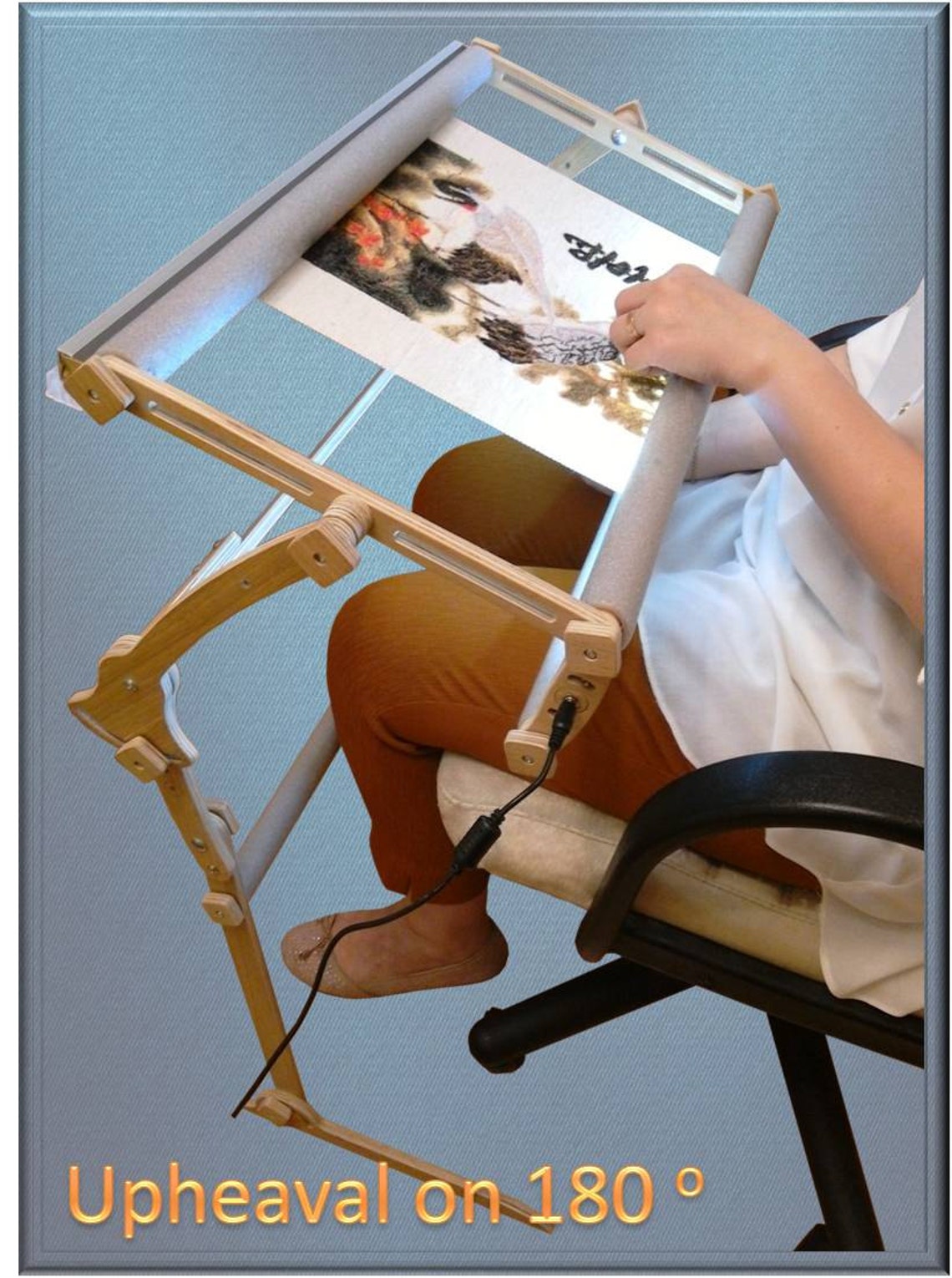
Needlework enthusiasts often seek the perfect blend of functionality and artistry to elevate their crafting experience. Witnessing a tapestry emerge stitch by stitch is a deeply satisfying process, transforming simple threads into intricate designs. The vibrant colors, textural nuances, and personal expression woven into each piece offer both a visual feast and a profound sense of accomplishment.
This age-old craft, practiced across cultures for centuries, carries a rich heritage. From humble samplers to elaborate masterpieces adorning royal courts, needlework has served as a medium for storytelling, preserving traditions, and showcasing remarkable skill. The enduring appeal of this art form lies in its ability to connect individuals to generations past, fostering a sense of continuity and shared creative spirit.
Its accessibility makes it uniquely appealing, offering a calming respite from the demands of modern life. Whether a novice exploring fundamental techniques or an experienced artisan pushing creative boundaries, this craft readily adapts to varying skill levels and personal styles. The relatively low initial investment and easily sourced materials further contribute to its widespread popularity, making it a beloved pastime for countless individuals.
Contemporary innovations continually breathe new life into traditional techniques, from bold, graphic patterns to subtle, monochromatic designs. Popular styles range from charming folk art motifs to modern geometric abstractions, reflecting the ever-evolving tastes of a global audience. Experimentation with diverse thread types, fabric textures, and embellishments allows artisans to personalize their creations and express their unique artistic vision.
Ensuring a stable and ergonomic workspace is paramount for both comfort and precision. The subsequent sections delve into the world of supports and presentation methods designed to enhance the stitching process and beautifully display completed works, optimizing the journey from initial stitch to cherished finished project.
Stability
In the realm of needlework, where meticulous stitches form intricate designs, stability is paramount. A secure and unwavering foundation allows artisans to focus on the creative process without the distraction of shifting fabrics or unsteady frames. “Cross stitch stands and frames” play a crucial role in providing this essential stability, transforming the stitching experience from a potential frustration into a joyful flow.
-
Consistent Tension
A stable stand maintains consistent tension on the fabric, ensuring that each stitch is uniform and even. This is particularly important for complex patterns with intricate details, where variations in tension can distort the design and compromise the overall aesthetic. A sturdy frame prevents sagging or puckering, leading to a more professional and polished finished product. Examples include adjustable floor stands that hold large projects taut and embroidery hoops with secure locking mechanisms.
-
Reduced Hand Fatigue
Without a stable base, the artisan expends extra energy compensating for the movement of the fabric. “Cross stitch stands” alleviate this burden by supporting the weight of the project, allowing the hands to move freely and fluidly. This reduction in strain helps to prevent hand fatigue and discomfort, enabling longer and more enjoyable stitching sessions. Tabletop stands and lap stands are particularly useful for smaller projects and offer portable stability.
-
Enhanced Precision
A stable frame enables the artisan to achieve greater precision in stitch placement. By eliminating the need to constantly readjust the fabric, a secure stand allows for focused attention and meticulous execution. This is especially beneficial when working with delicate fabrics or intricate patterns that require a high degree of accuracy. Consider frames with rotating mechanisms, facilitating easy access to different areas of the design without disrupting stability.
-
Durable Workspace
The cross stitch stands are designed to give a durable workspace, that they not easily breakable or can be reuse many times, making stitching process more efficient and effective and less problems in work.
In conclusion, the stability offered by well-designed “cross stitch stands and frames” is not merely a convenience, but a fundamental element that enhances the quality, comfort, and enjoyment of the needlework process. These tools empower artisans to focus on their creativity, transforming simple threads into lasting works of art. Just as a sturdy easel supports a painter’s canvas, a stable stand provides the foundation upon which beautiful cross stitch creations are built.
Adjustability
The ability to tailor a workspace to individual needs is paramount in any craft, and cross stitch is no exception. Adjustability, therefore, becomes a defining feature of quality “cross stitch stands and frames”. It directly impacts posture, reduces strain, and ultimately enhances the stitching experience. A frame that can be tilted to the most comfortable angle, or a stand that rises to meet the stitcher’s seated height, transforms a potentially fatiguing activity into a relaxed and enjoyable pursuit. Consider a floor stand with adjustable height and tilt, catering to a wide range of body types and stitching preferences. Without this adaptability, the artisan is forced to conform to the equipment, rather than the equipment conforming to them.
Practical examples of adjustability abound in the world of cross stitch supports. Some stands offer telescopic legs, allowing users to fine-tune the height for optimal viewing and hand positioning. Others incorporate swivel mechanisms, enabling easy access to the back of the project for securing threads or making adjustments. The adjustability features extend beyond simple height and angle. Some advanced frames offer adjustable tension bars, ensuring that the fabric remains taut and wrinkle-free, regardless of its size or composition. These features represent a commitment to user comfort and a deep understanding of the nuances of cross stitch.
In conclusion, adjustability in “cross stitch stands and frames” is not merely a luxury; it is a necessity for promoting comfort, preventing strain, and optimizing the stitching experience. It allows artisans to personalize their workspace, tailoring it to their individual needs and preferences. By embracing adjustability, manufacturers empower stitchers to focus on their creativity and produce beautiful, lasting works of art. As artisans demand more personalized tools, the focus on adjustability within “cross stitch stands and frames” will continue to grow, solidifying its place as a key factor in the selection process.
Presentation
The culmination of countless hours spent meticulously stitching, the finished cross stitch piece deserves a display that honors the artistry and effort invested. Presentation, therefore, becomes an integral consideration when selecting “cross stitch stands and frames.” These tools are not merely functional supports, but vital components in transforming a completed project into a cherished heirloom or captivating work of art.
-
Enhancing Visual Appeal
The right frame enhances the visual appeal of the artwork, complementing its colors, patterns, and overall style. A carefully chosen frame acts as a visual border, drawing the eye inward and highlighting the intricate details of the cross stitch. For instance, a rustic wooden frame might perfectly suit a folk-inspired design, while a sleek metal frame complements a modern geometric pattern. The choice of frame material, color, and style significantly influences how the artwork is perceived and appreciated.
-
Preservation and Protection
Beyond aesthetics, frames play a crucial role in preserving and protecting the delicate fabric and threads of a cross stitch piece. Enclosing the artwork behind glass or acrylic shields it from dust, dirt, and UV rays, which can cause fading and deterioration over time. A properly sealed frame also prevents the fabric from stretching or sagging, maintaining its original shape and integrity for generations to come. Archival-quality materials further ensure that the presentation not only enhances but also safeguards the artwork for the long term.
-
Creating a Focal Point
Cross stitch stands provide an elevated platform for showcasing completed pieces, transforming them into focal points within a room. Whether displayed on a tabletop, mantelpiece, or floor, a stand elevates the artwork both literally and figuratively, drawing attention to its beauty and craftsmanship. The stand itself can also be a decorative element, complementing the style of the artwork and the surrounding dcor. From ornate Victorian-inspired stands to minimalist modern designs, the choice of stand contributes significantly to the overall presentation.
-
Personal Expression and Storytelling
The way in which a cross stitch piece is presented reflects the personal style and artistic vision of the creator. Selecting a frame, a mat, and a stand that resonates with the artwork and the artist’s aesthetic adds a layer of personal expression to the presentation. The presentation can also tell a story, providing context and meaning to the artwork. A framed family portrait, for example, becomes a cherished reminder of loved ones, while a framed sampler serves as a testament to the history and tradition of needlework.
The art of presenting cross stitch is as important as the art of creating it. The synergy between carefully selected “cross stitch stands and frames” and the artwork they showcase transforms simple stitches into timeless treasures, worthy of admiration and preservation. It’s a final, crucial step in honoring the craft and sharing its beauty with the world.
What Youll Need
- Cross Stitch Stand: Choose a floor stand, table stand, or lap stand depending on your project size and preferred stitching position. Consider adjustability for optimal comfort.
- Cross Stitch Frame: Select an embroidery hoop (plastic, wood), a Q-snap frame, or a scroll frame based on the project dimensions and your desired level of tension.
- Aida Cloth or Fabric: This is the foundation of your project. Aida cloth has a grid-like pattern that makes stitching easy. Linen or evenweave fabrics are also options for more experienced stitchers.
- Cross Stitch Pattern: Whether a printed chart or a digital download, you’ll need a pattern to guide your stitches.
- Embroidery Floss: DMC or Anchor floss are popular choices. The pattern will specify the colors and amounts needed.
- Embroidery Needles: Choose needles with a blunt tip and a large eye to easily accommodate the floss.
- Scissors: Small, sharp scissors are essential for trimming floss ends.
- Thread Organizer: A floss organizer or bobbins help keep your threads tangle-free and readily accessible.
- Good Lighting: Adequate lighting is crucial for preventing eye strain and ensuring accurate stitch placement. A daylight lamp is ideal.
Preparation Tips
Prepare Your Fabric: Before starting, consider washing and ironing your fabric to prevent shrinkage later. Secure the edges with masking tape or serging to prevent fraying.
Organize Your Threads: Sort your floss by color and label them with the corresponding symbols from your pattern. This will save you time and frustration during stitching.
Mount Your Fabric: Secure the fabric in your chosen frame or hoop. The fabric should be taut but not overly stretched. Adjust the tension as needed throughout your project.
Comfort is Key: Set up your stitching area in a well-lit, comfortable space. Maintain good posture to prevent back and neck pain. Take frequent breaks to stretch and rest your eyes.
Read the Pattern: Familiarize yourself with the pattern symbols and instructions before you begin stitching. This will help you avoid mistakes and ensure a smooth stitching process.
Step-by-Step Instructions
Step 1
Before you begin, ensure you have all the necessary materials: Aida cloth, embroidery floss (red or your preferred color), an embroidery needle, scissors, a “cross stitch stand” (optional but recommended), and a small embroidery hoop or frame.
Step 2
Place the Aida cloth inside the embroidery hoop, ensuring the fabric is taut but not overly stretched. If using a “cross stitch stand”, secure the hoop in the stand for hands-free stitching. Trimming the excess cloth around the edges of the frame
Step 3
Cut a length of embroidery floss approximately 18 inches long. Separate two strands from the six-strand floss and thread them through the eye of the embroidery needle. Tie a knot at the end of the floss.
Step 4
Find the center of your Aida cloth. Bring the needle up through one of the holes in the Aida cloth, leaving a small tail of floss at the back. Hold the tail in place with your finger as you make the first few stitches; trim it later. Now pull the needle to give space at the back of the cloth.
Step 5
Move diagonally across one square on the Aida cloth and insert the needle back down through the adjacent hole. Pull the floss through gently, creating the first leg of the cross stitch (a diagonal line).
Step 6
Bring the needle up through the hole directly below the hole where you started the first leg. Then, move diagonally again to cross the first stitch. Insert the needle back down through the remaining hole, completing the cross stitch. It should look like an “X”.
Step 7
Continue creating cross stitches in a row, following the basic heart shape in the pattern (imagine a simple heart outline). Work from left to right, completing each cross stitch individually before moving on to the next.
Step 8
When you reach the end of a row or need to change direction, move the needle underneath a few existing stitches on the back of the fabric to secure the floss. Then, trim the excess floss close to the fabric.
Step 9
Continue stitching rows of cross stitches, following the heart outline. Fill in the shape by gradually decreasing the number of stitches in each row as you move towards the bottom point of the heart.
Step 10
Once the entire heart shape is filled in, secure the floss by running the needle underneath a few stitches on the back of the fabric. Trim the excess floss. Then, run the needle to make more secured and to avoid it from removing.
Step 11
Remove the fabric from the hoop. Gently press the finished cross stitch piece with a warm iron (on the back side) to remove any wrinkles. Place it in a decorative frame, or mount it on a card to create a handmade gift.
Isn’t it amazing how a few simple stitches can transform into a beautiful, heartfelt creation? This cross stitch heart project is a wonderful way to unwind, express your creativity, and add a personal touch to your home decor or gifts. The combination of the right “cross stitch stands and frames” with colorful floss on Aida cloth creates a truly rewarding experience.
Every stitch tells a story, and this simple heart serves as a reminder of the love and care you poured into making it. It’s a testament to the enduring appeal of handcrafted art, a small but meaningful piece created with your own two hands.
We hope you’re inspired to give this project a try! Whether you’re a seasoned stitcher or a complete beginner, we encourage you to pick up your needle and floss and create your own unique heart. Don’t forget to share photos of your finished piece with us we’d love to see what you create! Or, if you have any questions or comments, please feel free to leave them below.
Happy stitching!
Images References :
Image used for illustration purposes only. All rights belong to their respective owners.



