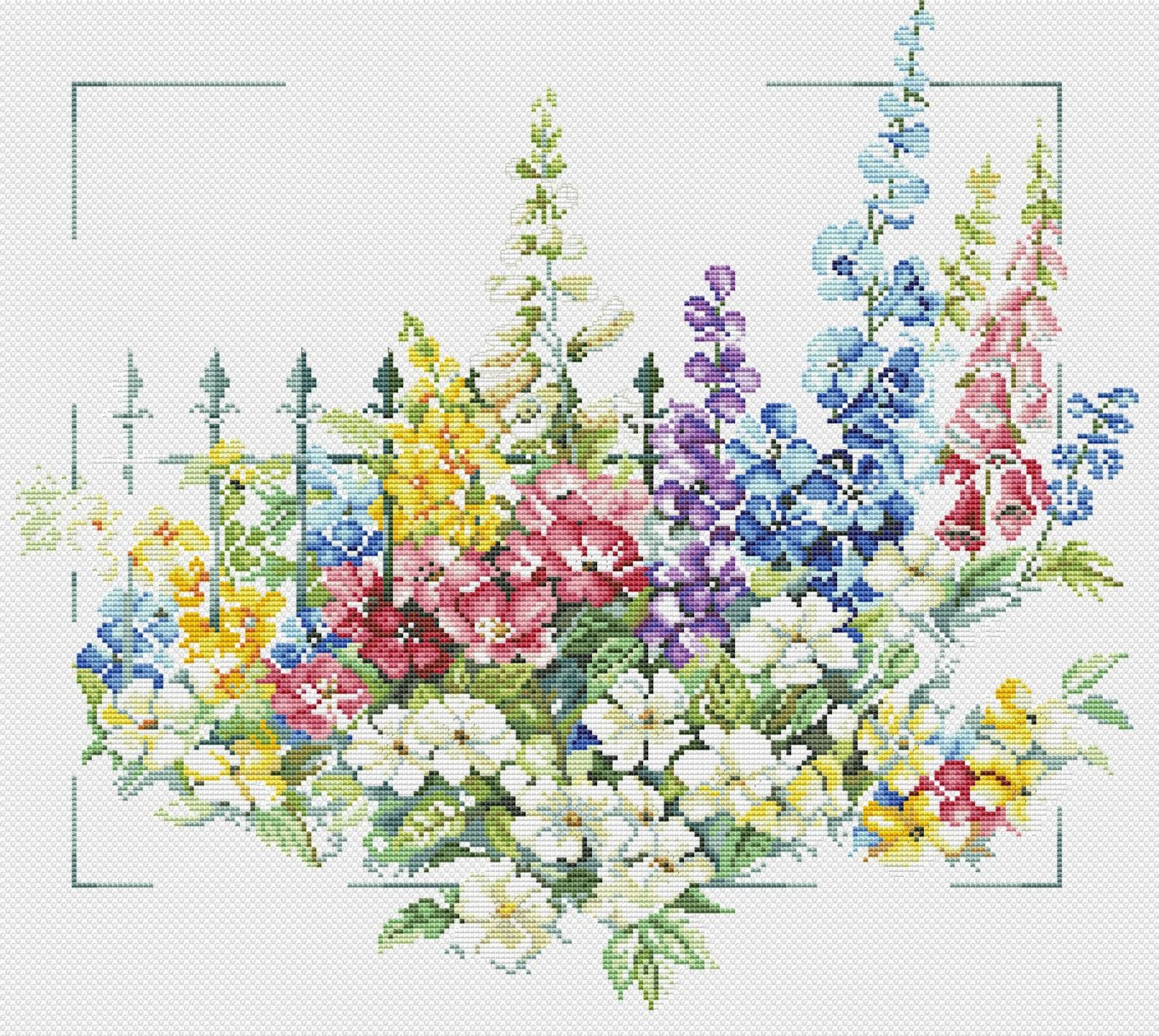
Imagine transforming simple fabric into a vibrant tapestry of color and texture, a miniature garden blossoming beneath the tip of a needle. The rhythmic dance of thread across evenweave creates a sense of calm, each stitch a building block for a personalized masterpiece. The final result is more than just a decorative piece; it’s a testament to patience, skill, and the sheer joy of creation.
This form of needlework boasts a rich and fascinating history, dating back centuries and appearing in cultures across the globe. From the intricate samplers of Victorian England to the bold, geometric designs of Eastern European folk art, the craft has served as a means of storytelling, self-expression, and preserving cultural heritage. Each region has contributed its unique aesthetic, transforming this accessible pastime into a powerful art form.
One of the beauties of this craft lies in its versatility. Whether a complete novice or a seasoned textile artist, there’s a project suited for every skill level. The tools are readily available and relatively inexpensive, making it an accessible hobby for anyone seeking a creative outlet. The inherent structure of the grid makes it forgiving, allowing for both meticulous detail and playful experimentation.
The world of charted designs is constantly evolving. Traditional motifs find new life through modern interpretations, while contemporary artists push the boundaries with innovative color palettes and unconventional techniques. From realistic botanical studies to whimsical cartoon characters, the possibilities are truly endless. The exploration of different thread types, fabric counts, and framing techniques further enhances the opportunity for personal expression.
Embark on a journey into the delightful world of needlepoint and discover how to bring floral dreams to life, one X at a time. This guide explores the diverse range of styles, techniques, and resources available to create stunning botanical-inspired projects. Let’s uncover how to transform imagination into tangible works of art.
Design Complexity
The allure of cross stitch patterns for flowers often hinges on the intricate dance between simplicity and complexity. Design complexity dictates the level of detail captured within a finished piece. A simpler design, perhaps featuring a single, stylized blossom, might employ bold colors and basic cross stitches, making it ideal for beginners seeking a satisfying introduction to the craft. Conversely, a complex floral pattern can showcase a riot of blooms, delicate shading achieved through blended threads, and nuanced details rendered with fractional stitches. The level of design intricacy has a direct effect on the time commitment, skill required, and ultimately, the visual impact of the final work.
Consider, for example, a minimalist pattern depicting a lavender sprig. The complexity may be low, focusing on clean lines and a limited color range, resulting in a charming and quick-to-complete project. In contrast, imagine a pattern replicating a Dutch Golden Age floral still life painting. This would demand a high level of skill and patience, potentially involving hundreds of colors, elaborate shading techniques, and a significant time investment. The chosen pattern complexity serves as a key determinant of the final artistic outcome.
Understanding design complexity is paramount for both novice and experienced stitchers. Beginners should start with simpler patterns to build confidence and master basic techniques, gradually progressing to more intricate designs as their skill improves. Experienced crafters can embrace complex patterns as a challenge, pushing their creative boundaries and crafting truly breathtaking works of art. Ultimately, the careful consideration of design complexity ensures a rewarding and fulfilling crafting experience.
Color Palette
Within the realm of floral needlework, the color palette serves as the emotional heart of each creation. It breathes life into the design, transforming a simple pattern into a vibrant expression of nature’s beauty. The selection of colors can evoke a sense of serenity, joy, or even drama, influencing the overall mood and aesthetic impact of the finished piece. A thoughtfully chosen color scheme is therefore essential for capturing the essence of any floral design.
-
Representing Realism vs. Stylization
The chosen color palette determines whether a design aims for photorealistic representation or artistic stylization. A lifelike rendering of a rose might employ a range of subtle reds, pinks, and greens to capture its delicate nuances, while a more stylized approach might utilize bold, unexpected hues to create a modern or whimsical effect. The intention of the color choices directly impacts the interpretation and visual appeal of the flower.
-
Evoking Emotion and Atmosphere
Colors possess the innate ability to evoke specific emotions and create an atmosphere. Warm hues like yellows and oranges convey happiness and energy, perfect for depicting sunflowers or marigolds. Cool tones, such as blues and purples, suggest tranquility and peace, ideal for representing lavender or irises. The deliberate use of color harmonies and contrasts can significantly enhance the emotional resonance of the completed cross stitch piece.
-
Adapting to Skill Level and Pattern Complexity
The complexity of the color palette should align with the skill level of the stitcher and the intricacy of the pattern. Beginners may benefit from simpler palettes with fewer color changes, allowing them to focus on mastering stitch techniques. More advanced stitchers can embrace complex color schemes, blending threads to achieve subtle gradients and intricate shading. Adjusting the color palette to suit the project’s demands ensures a satisfying and achievable crafting experience.
-
Reflecting Personal Taste and Style
Ultimately, the color palette provides an opportunity for personal expression. Whether adhering to traditional color combinations or experimenting with unconventional pairings, the selected hues reflect the individual’s taste and style. The freedom to customize the color palette allows each stitcher to create a unique and meaningful piece that resonates with their personal aesthetic.
The facets of the color palette, considered in aggregate, provide a deeper understanding of the role of color. From capturing realistic nuances to expressing personal taste, it’s through the thoughtful selection of hues that simple threads are transformed into blooming botanical compositions. By carefully considering the interplay of realism, emotion, skill level, and personal style, everyone can create a cross stitch floral design that embodies the beauty and vibrancy of nature.
Fabric Choice
The canvas upon which floral needlepoint dreams unfold is the chosen fabric. It provides the structure, texture, and foundational grid that dictates the character of the finished piece. The selection of fabric is not merely a practical consideration but an integral element in shaping the artistic vision, directly influencing the level of detail, the visual texture, and the overall aesthetic appeal of floral designs.
-
Aida Cloth: The Beginner’s Blooming Ground
Aida cloth, with its distinct and easily discernible grid, stands as a welcoming entry point for beginners. Its evenly spaced squares simplify the process of creating neat and uniform stitches, particularly for patterns with bold, graphic floral motifs. Aida is readily available in various counts (threads per inch), allowing for flexibility in design size and detail. For example, a beginner might choose 14-count Aida for a simple daisy pattern, while a more experienced stitcher could use 18-count Aida to capture finer details in a bouquet of wildflowers.
-
Linen and Evenweave: Refined Elegance for Floral Motifs
Linen and evenweave fabrics offer a more sophisticated alternative to Aida, lending a refined elegance to floral creations. These fabrics have a more subtle, less pronounced grid, requiring a closer eye and a steady hand. The resulting stitches create a softer, more organic texture, ideal for designs that emulate the delicate beauty of nature. A detailed rose pattern, for instance, would flourish on linen, allowing for nuanced shading and realistic petal definition.
-
Fabric Count: Defining Detail and Scale
The fabric count, measured in threads per inch, dictates the size and detail level achievable within a pattern. A higher count fabric (e.g., 28-count linen) allows for smaller stitches and finer details, enabling the creation of intricate and realistic floral depictions. Conversely, a lower count fabric (e.g., 11-count Aida) results in larger stitches and a more graphic, bolder aesthetic. The choice of fabric count should be carefully considered in relation to the complexity and desired scale of the floral design. A small, delicate wildflower pattern would be best suited for a high-count fabric, while a large, stylized sunflower might be striking on a lower-count option.
-
Color and Texture: Enhancing the Floral Narrative
Beyond the grid itself, the color and texture of the fabric contribute to the overall narrative of the piece. A natural linen, for example, can lend an earthy, rustic feel to a wildflower design, while a pastel-colored fabric can enhance the sweetness of a spring bouquet. Textured fabrics, such as those with subtle slubs or weaves, can add depth and visual interest, transforming a simple design into a tactile masterpiece. The judicious selection of fabric color and texture further amplifies the beauty and impact of floral designs.
In essence, the choice of fabric is an act of artistic collaboration. It’s a partnership between the stitcher, the pattern, and the material itself, resulting in a piece that reflects both skill and thoughtful consideration. The interaction of Aida, linen, fabric count, texture and color intertwine to deliver the most beautiful result. Whether a beginner opting for the forgiving grid of Aida or an experienced stitcher embracing the subtle nuances of linen, understanding the relationship between fabric and pattern is key to unlocking the full potential of cross stitch floral designs.
Stitch Techniques
The beauty of transforming a simple piece of fabric into a blossoming garden relies significantly on mastering various stitch techniques. Stitch techniques are not merely mechanical processes, but rather artistic tools that contribute to the texture, depth, and overall realism of floral designs. The application of different stitches allows floral patterns to transcend basic representations, capturing the delicate nuances and characteristic forms of various flowers and foliage.
The fundamental cross stitch forms the groundwork for most floral designs, however, it’s the variation and mastery of additional techniques that elevates the work. Fractional stitches, for example, employ quarter and three-quarter stitches to create subtle shading and rounded edges, adding dimension and softening the sharp corners of the traditional cross stitch. This technique is particularly beneficial for capturing the curved petals of roses or the gentle slopes of leaves. Similarly, backstitch is used for outlining and adding definition, accentuating details like the veins of a leaf or the delicate stem of a flower. Seed stitches can create a textured effect, mimicking the appearance of pollen or dew drops on petals. The strategic use of these stitch variations breathes life into static patterns, transforming them into vibrant, three-dimensional representations of the natural world. Consider a pattern of lilies, for example. While basic cross stitches would define the overall shape, fractional stitches could render the subtle curves of the petals, and backstitch could outline the stamens, adding depth and realism to the composition.
Understanding and implementing diverse stitch techniques expands the possibilities within floral needlework. By moving beyond basic cross stitch, crafters can achieve impressive levels of realism and depth. The mastery of stitch techniques offers a path to enhanced artistry, resulting in projects that embody the delicate beauty of nature. These artistic and skill oriented aspects, combined with knowledge of flower patterns, creates an ecosystem for expression and craft.
What Youll Need
- Embroidery Hoop: This essential tool keeps your fabric taut, making stitching easier and more even. Choose a size that comfortably accommodates your pattern. A 6-inch hoop is a good starting point for smaller projects.
- Aida Cloth or Evenweave Fabric: This is your canvas! Aida has a clear grid, making it ideal for beginners. Evenweave offers a more subtle grid and a softer finish. Select a count (threads per inch) that suits your pattern and desired detail level.
- Cross Stitch Pattern: Your roadmap! You can find patterns online, in books, or create your own. Make sure it’s clear and easy to follow.
- Embroidery Floss: These are the colorful threads that bring your design to life. DMC floss is a popular and readily available brand. Refer to your pattern for the specific colors needed.
- Embroidery Needle: A blunt-tipped needle with a large eye is perfect for cross stitch. This prevents snagging the fabric and makes threading easier. A size 24 or 26 needle is commonly used.
- Scissors: Small, sharp scissors are essential for trimming floss ends neatly.
- Optional: Floss Organizer: To keep your threads tangle-free and organized, consider using a floss organizer or bobbins.
- Optional: Needle Threader: This handy tool makes threading the needle a breeze, especially for those with visual impairments.
Preparation Tips
Before you begin, gently wash and iron your fabric to prevent shrinkage or wrinkles. Secure the fabric in your embroidery hoop, ensuring it’s taut but not overly stretched. Find the center of your fabric and the center of your pattern, as this is where you will most likely begin. Then, neatly sort and organize your embroidery floss according to the pattern’s color key. Cut manageable lengths of floss (about 18 inches) to avoid tangling. Prepare for a session of enjoyable stitching!
Good lighting is crucial for comfortable stitching, so find a well-lit space or use a task lamp. Take breaks to stretch and rest your eyes to prevent fatigue. Maintain good posture to avoid back and neck pain. Create a calm and relaxing atmosphere, perhaps with some soothing music or a cup of tea. Remember, cross stitch is a journey of relaxation and creativity, so savor every stitch!
Step-by-Step Instructions
Step 1
Loosen the screw on your embroidery hoop. Place the inner ring on a flat surface. Center your chosen fabric over the inner ring. Gently press the outer ring over the fabric and the inner ring, sandwiching the fabric between the two rings. Tighten the screw until the fabric is taut like a drum; not so tight that it distorts the weave, but firm enough to prevent sagging while you stitch. Trim any excess fabric around the hoop, leaving about an inch or two for finishing later.
Step 2
Cut a length of embroidery floss about 18 inches long. Separate the floss into the individual strands, then recombine the number of strands recommended in your pattern (usually two or three). Moisten the end of the floss with a bit of saliva or water, then thread it through the eye of your embroidery needle. If you’re having trouble, use a needle threader to help guide the floss through the eye.
Step 3
Locate the starting point on your cross stitch pattern. Bring the needle up from the back of the fabric at the lower left corner of the first square. Then, take the needle down through the upper right corner of the same square, creating a diagonal stitch. Next, bring the needle up from the back of the fabric at the lower right corner of the square. Finally, take the needle down through the upper left corner of the square, completing the cross stitch. Ensure that all your cross stitches are oriented in the same direction (i.e., the top leg always crosses over the bottom leg) for a neat and uniform appearance.
Step 4
Follow your pattern, completing all the cross stitches of the same color in a small area. Use the “waste knot” or “loop start” method to secure your thread when starting a new color or row. To avoid long strands of floss on the back of your work, weave the thread under a few existing stitches to secure it before clipping. Make sure the rear of the piece is as neat as the front.
Step 5
When you need to change to a new color of floss, secure the end of the current color by weaving it under a few stitches on the back of your work. Clip the floss close to the fabric. Thread your needle with the new color and begin stitching, using the same method as before. Refer to your pattern to ensure you’re using the correct colors in the correct locations.
Step 6
When you have completed stitching with a particular color, or when your floss is getting short, it’s time to secure the end. Flip your work over to the back. Weave the needle and thread under several existing stitches, pulling gently to secure the thread. Clip the excess floss close to the fabric, leaving no loose ends.
Step 7
Once you have completed all the stitching in your pattern, carefully loosen the screw on your embroidery hoop and remove the fabric. Gently press the finished piece with a warm iron, wrong side up, to remove any creases. You can then frame your cross stitch, mount it on a canvas, or use it to embellish another project. Secure loose ends.
Creating floral designs through cross stitch is a genuinely rewarding experience. You’re not just making stitches; you’re cultivating a little piece of art, a miniature garden blossoming under your fingertips. The process is both meditative and engaging, offering a welcome escape from the hustle and bustle of daily life while letting you tap into your creative spirit.
Ultimately, this craft offers a unique opportunity to personalize your space with handmade beauty or to create thoughtful gifts for loved ones. Each design becomes a testament to your patience and skill, a tangible expression of your artistic vision. Whether you choose a simple wildflower or an elaborate bouquet, the finished piece will bring joy for years to come.
So, pick up a needle and thread, and let your floral dreams take root! We’d love to see what you create share your finished projects with us on social media or leave a comment below to tell us about your stitching journey. Your unique creations are inspiring, and we can’t wait to celebrate your talent.
Happy stitching!
Images References :
Image used for illustration purposes only. All rights belong to their respective owners.



