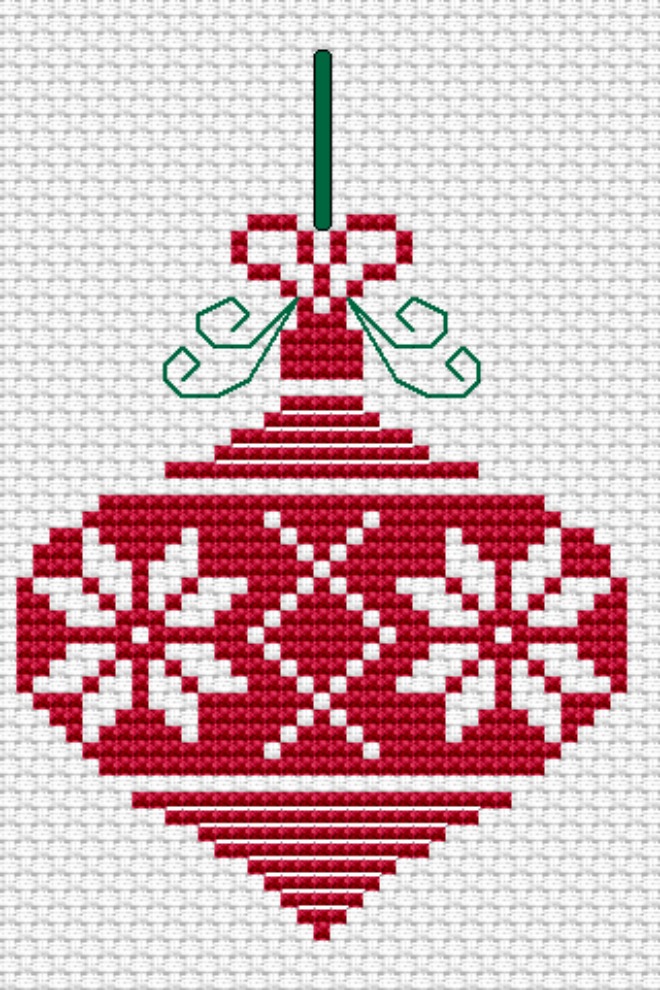
Imagine transforming simple fabric into miniature works of art, each stitch a testament to patience and care. The creation of festive decorations with needle and thread offers a uniquely tactile experience, a chance to slow down during the bustling holiday season and infuse handmade charm into Christmas celebrations. The satisfying rhythm of the needle piercing the Aida cloth becomes a meditative act, resulting in heirloom-quality keepsakes that evoke a sense of personal accomplishment and festive cheer.
The practice of counted thread embroidery boasts a rich history, stretching back centuries. Evidence of similar techniques can be found in various cultures, with each region developing its own unique stylistic interpretations. Early examples often served a practical purpose, adorning clothing or household linens. The craft’s evolution into the creation of decorative pieces reflects a shift towards celebrating artistry and self-expression, cementing its place in both folk art and refined needlework traditions.
One of the craft’s enduring appeals lies in its accessibility. Requiring minimal specialized equipment and offering a diverse range of complexity, anyone can partake in the delight of stitching. From the simplest geometric designs perfect for beginners to intricate, detailed landscapes suited for experienced stitchers, there is a project to match every skill level. The portability of the materials allows for crafting on the go, making it a perfect pastime for quiet evenings or travel adventures.
Contemporary needlework embraces a broad spectrum of styles and themes. Classic motifs such as snowflakes, reindeer, and Santa Claus are ever popular, while modern designs incorporate bold colors, abstract patterns, and whimsical characters. The incorporation of mixed media, such as beads, sequins, and metallic threads, adds texture and dimension to the finished pieces. This continuous innovation ensures the craft remains vibrant and relevant, attracting new enthusiasts while honoring time-tested techniques.
The following exploration delves into the enchanting world of stitched holiday adornments, offering inspiration, guidance, and resources to embark on a creative journey. Whether seeking a simple project to complete in an afternoon or an ambitious design to showcase skill and dedication, the possibilities are boundless. Prepare to discover the joy of transforming thread into cherished holiday memories.
Aida Cloth Count
Within the realm of festive needlework, Aida cloth count emerges as a foundational element, influencing the final aesthetic and intricacy of each treasured, stitched adornment. The subtle grid of Aida fabric provides the very framework upon which holiday visions come to life, dictating the size and detail achievable within each finished piece. It is the canvas upon which creativity unfolds.
-
Stitch Density and Detail
Aida cloth count directly determines the density of the stitching. A higher count, such as 18-count Aida, means more stitches per inch, resulting in a smaller, more detailed design. This is ideal for intricate patterns or when seeking a refined, delicate look. Conversely, a lower count, like 14-count, creates larger stitches, making it easier for beginners and yielding a more robust, rustic appearance. Understanding this relationship is crucial for achieving the desired level of realism and complexity in finished ornaments.
-
Ornament Size and Scale
The chosen Aida cloth count significantly impacts the finished size of a stitched ornament. A lower count Aida will naturally produce a larger finished piece for the same pattern, while a higher count results in a smaller ornament. When planning a set of ornaments for a Christmas tree, considerations regarding size consistency and visual balance are essential. Selecting the appropriate count ensures ornaments complement each other and the overall tree decor.
-
Ease of Stitching and Experience Level
Aida cloth count also affects the ease of stitching. Lower counts, with their larger holes, are generally more forgiving and easier for beginners to work with. The larger spaces between stitches provide a clearer visual guide, reducing eye strain and minimizing the risk of errors. Higher counts require more precision and dexterity, making them better suited for experienced stitchers who appreciate the challenge and finesse they offer.
-
Thread Coverage and Fabric Show-Through
Thread coverage is another important consideration. With lower Aida counts, thicker threads may be required to adequately cover the fabric and prevent it from showing through. Conversely, higher counts may necessitate finer threads to avoid overcrowding the stitches and creating a bulky or uneven appearance. Carefully selecting thread weight and type in relation to the chosen Aida count ensures a smooth, even, and professional-looking finished ornament.
In conclusion, the selection of Aida cloth count is a decision that shapes the very essence of holiday stitched decorations. This seemingly simple choice profoundly impacts the level of detail, overall size, ease of creation, and ultimate aesthetic of the treasured festive pieces. Careful consideration ensures the joy of crafting and the creation of cherished keepsakes for years to come.
Thread Color Palette
The selection of a thread color palette is akin to choosing the perfect notes for a holiday melody. It is the heart of any needlework endeavor, breathing life into “cross stitch christmas ornament patterns” and transforming simple designs into vibrant expressions of festive spirit. The colors chosen dictate the mood, style, and overall impact of each hand-stitched treasure.
-
Evoking Emotion and Atmosphere
The colors used in festive needlework are powerful storytellers. A palette of deep reds, forest greens, and shimmering golds evokes a sense of classic Christmas tradition, conjuring images of cozy fireplaces and snow-laden landscapes. Conversely, a range of icy blues, silvers, and whites creates a winter wonderland effect, reminiscent of glistening frost and peaceful snowy nights. The thoughtful selection of hues allows the artisan to convey specific emotions and transport viewers to cherished holiday memories.
-
Reflecting Personal Style and Preferences
“Cross stitch christmas ornament patterns” provide a canvas for personal expression, and the thread color palette is a primary tool for individualization. Whether drawn to the understated elegance of monochromatic schemes or the bold exuberance of vibrant, contrasting shades, there is a palette to suit every taste. Experimenting with unexpected color combinations, incorporating personal favorite colors, or drawing inspiration from existing home decor allows for creating ornaments that are truly unique and meaningful.
-
Enhancing Visual Depth and Dimension
A well-chosen color palette adds depth and dimension to even the simplest designs. Using varying shades of a single color, such as light, medium, and dark greens for a Christmas tree motif, creates a sense of three-dimensionality and realism. Subtle color gradations and strategic use of highlights and shadows bring life to flat patterns, making them visually engaging and captivating. The clever application of color transforms a simple stitched design into a miniature work of art.
-
Harmonizing with Ornament Finishing Touches
The thread color palette should harmonize seamlessly with the chosen finishing touches of the ornaments. Whether opting for felt backing, decorative trims, or hanging ribbons, the colors should complement each other to create a cohesive and polished final product. Coordinating thread colors with embellishments ensures a unified aesthetic and elevates the overall presentation of the finished ornaments, transforming them into treasured keepsakes worthy of display year after year.
The thoughtful selection and skillful application of thread colors transform “cross stitch christmas ornament patterns” from simple diagrams into heartfelt expressions of holiday joy. Each stitch, carefully chosen and placed, contributes to a larger narrative, weaving together memories, emotions, and personal style into miniature masterpieces that will adorn Christmas trees and warm hearts for generations.
Pattern Complexity
Pattern complexity in stitched Christmas adornments serves as a spectrum of artistic engagement, ranging from the satisfying simplicity of beginner-friendly designs to the intricate detail of advanced projects. It is a critical element in shaping the crafting experience and determining the final visual impact of the stitched treasures. The relationship between desired outcome and skill level dictates pattern choice, influencing both the enjoyment derived from the process and the resulting heirloom quality. A simple snowflake outline, for example, introduces newcomers to basic stitches, while a detailed Victorian Santa demands patience and practiced technique. The practical significance of understanding pattern complexity lies in matching ambition with ability, ensuring a rewarding creative journey and preventing frustration.
Further illustrating this connection, consider the evolution of a stitcher’s journey. A novice might begin with patterns featuring only full stitches and minimal color changes, gradually progressing to include backstitching for outlining and fractional stitches for subtle shading. This incremental increase in complexity allows for skill development and the acquisition of new techniques. Real-world examples abound: a child might proudly complete a simple star, while a seasoned crafter undertakes a panoramic winter scene. Furthermore, patterns can be adapted simplifying complex designs or adding intricate details to basic ones to cater to individual preferences and time constraints. This adaptability makes the craft accessible to a wide audience and allows for endless creative exploration.
In conclusion, pattern complexity is an indispensable consideration within the realm of stitched holiday adornments. It affects not only the aesthetic outcome but also the overall enjoyment and accessibility of the craft. Choosing “cross stitch christmas ornament patterns” that align with one’s skill level and creative aspirations ensures a fulfilling and rewarding experience. Whether opting for a simple design that can be completed in an afternoon or embarking on a complex project that showcases skill and dedication, the key is to understand the relationship between pattern complexity and the desired outcome, creating treasured keepsakes that will bring joy for years to come.
Finishing Techniques
The artistry of stitched holiday adornments extends far beyond the final stitch. Finishing techniques are vital in transforming a completed piece of needlework into a polished, professional-looking ornament. These techniques encompass a range of processes, from neatly securing loose threads and trimming excess fabric to adding backing, borders, and hanging loops. The careful execution of finishing steps elevates a simple stitched design into a cherished keepsake, ready to adorn a Christmas tree or grace a festive mantle. The absence of such attention can leave a piece looking unfinished, detracting from the artistry invested in the stitching itself.
Consider the practical implications: raw edges fray, obscuring neat work; unsecured threads unravel, compromising the design’s integrity; a poorly attached hanging loop can cause the ornament to droop or break. Examples of thoughtful finishing abound. A felt backing, carefully glued or stitched in place, protects the stitching and provides a smooth surface. A decorative edging, such as a blanket stitch or a delicate trim, adds visual interest and enhances the ornament’s overall appeal. A securely fastened ribbon or cord allows for easy display. These seemingly minor details collectively contribute to the final aesthetic, transforming a simple stitched design into a durable, display-worthy treasure. Furthermore, particular finishing approaches lend themselves to specific styles of ornaments, adding a cohesive design element.
In essence, finishing techniques are the crucial final brushstrokes that complete the masterpiece. These methods demonstrate a commitment to quality and an appreciation for the artistry involved in creating treasured, stitched holiday adornments. From selecting complementary backings to mastering secure hanging loops, these skills transform a stitched piece into a cherished heirloom that will bring joy for years to come. Ignoring these final steps leaves ornaments incomplete.
What Youll Need
- Aida Cloth: This even-weave fabric is the foundation of your stitched ornament. The count (e.g., 14-count, 16-count) determines stitch size. Choose a count appropriate for your pattern and skill level. White is classic, but colored Aida can add a unique touch.
- Embroidery Floss (DMC or Anchor): These stranded cotton threads come in a vast array of colors. The pattern will specify the colors needed. It’s helpful to keep the floss organized (more on that below!).
- Embroidery Needle: Choose a needle with a blunt tip and a large eye, making it easy to thread the floss and avoid splitting the Aida fabric threads. Size 24 or 26 needles are often a good choice.
- Embroidery Hoop or Frame (Optional): While not essential, a hoop or frame can keep your fabric taut, making stitching easier and preventing puckering. Choose a size that comfortably fits your pattern.
- Scissors: Small, sharp scissors are crucial for trimming floss ends neatly.
- Pattern: Of course, you’ll need a pattern! These can be found online, in books, or as kits. Pay attention to the symbols and color keys.
- Felt (for backing): Felt provides a clean, finished look for the back of your ornament. Choose a color that complements your design.
- Glue or Sewing Supplies (for finishing): Fabric glue or a needle and thread are needed to attach the felt backing and add any other embellishments.
- Hanging Loop Material: Ribbon, embroidery floss, or twine can be used to create a hanging loop for your ornament.
- Optional: Light source: Task light to ensure clarity and vision during stitching process.
Preparation Tips
Before you start stitching, it’s a good idea to prepare your fabric. Find the center of your Aida cloth by folding it in half both ways and lightly creasing the center point. This will help you center your design. Consider serging or taping the edges of the cloth to prevent fraying as well.
Organize your embroidery floss by separating each color and storing it on floss bobbins or in a thread organizer. This will prevent tangling and make it easier to find the colors you need as you stitch. Ensure adequate lighting to reduce strain on your eyes, and sit in a comfortable position with good posture to prevent back or neck pain.
Step-by-Step Instructions
Step 1
Before embarking on your festive stitching journey, assemble all the necessary materials: Aida cloth (14-count is recommended for beginners), embroidery floss in your chosen snowflake color (white, silver, or light blue are popular), an embroidery needle, scissors, a snowflake pattern (a simple one with minimal color changes), felt for the backing, fabric glue, and ribbon or twine for the hanging loop.
Step 2
Cut a square of Aida cloth slightly larger than your intended finished ornament size (e.g., a 4×4 inch square for a 3-inch ornament). Find the center of the cloth by folding it in half vertically and horizontally, pressing lightly to mark the center point. This is where you will begin stitching your snowflake.
Step 3
Cut a length of embroidery floss about 18 inches long. Separate two strands of floss from the six-strand skein. Thread the two strands through the eye of your embroidery needle. A needle threader can be helpful for this step.
Step 4
Following your chosen snowflake pattern, begin stitching from the center point of the Aida cloth. Bring the needle up through one of the holes in the fabric and down diagonally to create your first stitch. Continue following the pattern, making sure each stitch crosses in the same direction (e.g., always bottom left to top right). Maintaining consistent stitch direction creates a neat, uniform appearance.
Step 5
When you reach the end of a strand of floss, weave the needle through the back of several stitches to secure the end. Trim the excess floss close to the fabric. To start a new strand, repeat this process, weaving the beginning of the new strand through several back stitches before bringing the needle to the front to continue stitching.
Step 6
Continue stitching until you have completed the entire snowflake pattern. Take your time and refer to the pattern frequently to ensure accuracy. Don’t worry about perfection; slight variations add to the charm of a handmade ornament.
Step 7
Once the stitching is complete, trim the Aida cloth around the snowflake, leaving about inch of fabric around the design. Be careful not to cut too close to the stitches.
Step 8
Cut a piece of felt slightly larger than the trimmed Aida cloth. This will serve as the backing for your ornament.
Step 9
Apply a thin layer of fabric glue to the back of the stitched Aida cloth. Carefully center the felt backing over the glued area and press firmly to adhere. Allow the glue to dry completely according to the manufacturer’s instructions.
Step 10
Once the glue is dry, trim the felt backing to match the shape of the stitched Aida cloth, or leave a small border for added visual interest. A scalloped or pinked edge can add a decorative touch.
Step 11
Cut a length of ribbon, floss, or twine for the hanging loop. Fold it in half to create a loop. Glue or stitch the ends of the loop to the top back of the felt backing, ensuring it is securely attached. For added security, you can stitch through both the felt and the Aida cloth.
Step 12
Inspect your finished ornament for any loose threads or imperfections. Trim any stray ends and make sure all edges are neat and secure. Your handmade snowflake ornament is now ready to adorn your Christmas tree or to be given as a thoughtful gift.
Creating stitched Christmas ornaments is a wonderful way to infuse the holiday season with personal warmth and creativity. It’s a chance to slow down, embrace the simple joy of crafting, and create cherished keepsakes that you and your loved ones will treasure for years to come. The process itself is incredibly relaxing, offering a welcome respite from the hustle and bustle of the holidays.
Beyond the simple act of stitching, crafting festive needlework offers the unique ability to preserve memories. Each ornament becomes a miniature representation of the time spent creating it, a tangible reminder of the joy and anticipation of the holiday season. These are pieces that families collect and cherish, becoming more valuable over time as the stitches hold memories.
So, grab your needle, thread, and Aida cloth, and let your creativity flow. We encourage you to give these “cross stitch christmas ornament patterns” a try! Dont forget to share photos of your finished ornaments with us wed love to see what you create! Feel free to leave a comment with your own tips and tricks, or share your favorite holiday stitching memories.
Happy stitching!
Images References :
Image used for illustration purposes only. All rights belong to their respective owners.



