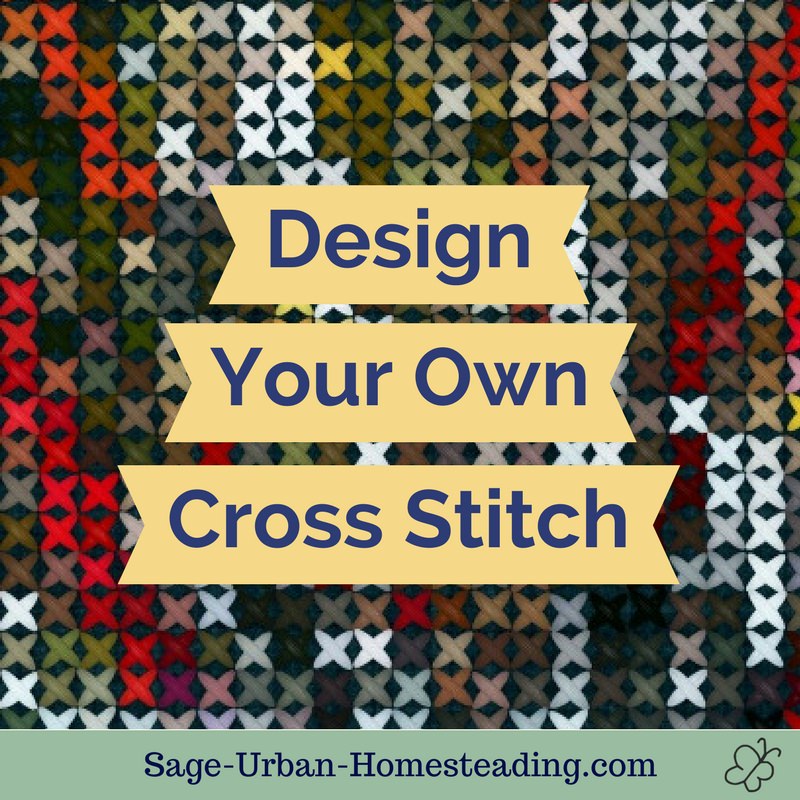
Imagine transforming simple threads into intricate works of art, each stitch a deliberate step in bringing a vision to life. The allure of needle and thread extends beyond mere hobby; it’s a journey into a world of color, texture, and personalized expression. The satisfaction derived from witnessing a design emerge beneath one’s fingertips is a unique reward, a tangible manifestation of patience and creativity.
From ancient samplers to contemporary art pieces, the art of counted thread embroidery boasts a rich and varied history. Passed down through generations, these techniques represent not only a skill, but also a cultural heritage. Each region and era has contributed its own distinctive style, motifs, and methods, creating a vibrant tapestry of traditions woven together by the common thread of artistry.
The beauty of this craft lies in its accessibility. Whether a complete novice or a seasoned artisan, the basic principles are easy to grasp, and the supplies are readily available. This welcoming nature makes it a perfect pastime for anyone seeking a mindful and rewarding activity. Moreover, the possibilities are limitless; from personalized gifts and home dcor to elaborate gallery-worthy creations, the scale and complexity can be tailored to suit any ambition.
While traditional motifs continue to inspire, this art form is constantly evolving. Contemporary designers are pushing the boundaries with bold colors, unconventional materials, and modern interpretations of classic patterns. This dynamic evolution keeps the craft fresh and exciting, ensuring its enduring appeal for generations to come. From minimalist geometric designs to highly detailed portraits, the styles are as diverse as the individuals who pursue them.
Embarking on the journey of personalized needlework opens a world of artistic possibilities. The subsequent sections will provide a comprehensive guide to designing individualized projects, enabling anyone to transform inspiration into exquisite threaded creations. Prepare to unlock creative potential and weave personal stories into every stitch.
Inspiration
The genesis of any compelling needlework design lies in the wellspring of inspiration. Before committing a single stitch, the creative seed must be planted, nurtured by ideas, images, and emotions that resonate with the individual artist. This initial phase sets the tone and direction for the entire project, influencing everything from color choices to the overall complexity of the pattern.
-
Nature’s Palette
The natural world provides an inexhaustible source of inspiration. From the vibrant hues of a sunset to the intricate patterns of a butterfly’s wings, nature offers countless design possibilities. For example, a cross stitch pattern could replicate the delicate tracery of frost on a windowpane or capture the lush greens and earthy browns of a forest landscape. The key is to observe closely and translate the essence of these natural elements into a stitchable form.
-
Cultural Heritage
Exploring one’s cultural heritage can unlock a treasure trove of design ideas. Traditional motifs, folk art, and historical textiles offer a rich tapestry of patterns and symbols. These designs often carry deep cultural significance, adding layers of meaning and narrative to the finished piece. A sampler replicating the style of a specific region or a modern interpretation of an ancestral design can be a powerful statement of identity and connection to the past.
-
Personal Experiences
The most meaningful designs often stem from personal experiences and cherished memories. A beloved pet, a memorable trip, or a significant life event can all serve as powerful inspiration. Transforming these personal touchstones into stitch patterns allows for a unique and deeply personal expression, resulting in a truly one-of-a-kind creation. For instance, a cross stitch pattern could commemorate a special occasion or celebrate a particular relationship.
-
Abstract Concepts
Inspiration need not always be literal; abstract concepts, emotions, and ideas can also be translated into compelling designs. Geometric patterns, color studies, and symbolic representations can convey complex meanings and evoke specific moods. This approach allows for a greater degree of artistic freedom and encourages experimentation with different styles and techniques. A pattern might explore themes of peace, joy, or resilience through the use of carefully chosen colors and symbolic motifs.
In essence, inspiration is the lifeblood of “create your own cross stitch pattern”. Whether drawn from the grandeur of nature, the richness of culture, the depth of personal experience, or the realm of abstract thought, it is the spark that ignites the creative flame. By embracing diverse sources of inspiration, a piece is more than just a needlework project; it becomes a reflection of the artist’s unique perspective and a testament to the power of creative expression.
Chart Design
At the heart of personalized needlework lies chart design, the architectural blueprint that transforms an inspired idea into a tangible stitched reality. It is the meticulous process of translating an image or concept onto a grid, dictating the precise placement of each individual stitch. Without a well-crafted chart, the final piece risks becoming a jumbled mess, lacking clarity and definition. Thus, the ability to skillfully craft a chart is fundamentally intertwined with the success of the undertaking “create your own cross stitch pattern”. The chart acts as the bridge between vision and execution.
Consider a simple example: a cross stitch pattern depicting a stylized house. A poorly designed chart might result in skewed proportions, uneven lines, and a generally distorted representation of the intended subject. Conversely, a meticulously crafted chart would ensure that the house appears balanced and symmetrical, with crisp details and clear definition. This highlights the practical importance of mastering chart design; it is the difference between a recognizable image and an ambiguous collection of stitches. Furthermore, software tools and online resources have made chart creation more accessible than ever, allowing even beginners to experiment with different grid sizes, color palettes, and design elements.
In conclusion, chart design is not merely a technical step; it is an integral and creative part of “create your own cross stitch pattern”. It is the foundation upon which the entire project is built, influencing the aesthetic outcome and overall quality of the finished piece. While challenges may arise in translating complex images or achieving intricate details, the rewards of mastering this skill are immense, empowering individuals to transform their creative visions into stunning threaded artworks. Understanding the relationship between inspiration and chart design will inevitably lead to more satisfying and professional results.
Color Palette
The vibrancy and emotional resonance of any cross-stitch project are profoundly shaped by its color palette. This critical element breathes life into the design, transforming a simple pattern into a captivating work of art. The thoughtful selection of hues impacts not only the visual appeal but also the overall mood and message conveyed. In the context of “create your own cross stitch pattern,” the color palette becomes a powerful tool for self-expression, allowing the creator to infuse their unique personality and vision into every stitch. For instance, a calming seascape might feature soft blues and greens, evoking feelings of tranquility and peace, while a bold geometric design might utilize contrasting primaries to create a dynamic and eye-catching effect. The harmonious interplay of colors is what ultimately elevates a cross-stitch pattern from a mere craft project to a cherished keepsake.
Delving deeper, consider the practical applications of color theory within this craft. Understanding concepts like complementary colors, analogous schemes, and tonal variations enables the creation of depth, dimension, and visual interest. For example, using different shades of a single color family (monochromatic palette) can add subtle shadows and highlights to a floral design, making it appear more realistic. Similarly, employing complementary colors, such as blue and orange, can create a striking contrast that draws the eye and adds a sense of excitement. The knowledge of these principles empowers individuals to make informed choices, ensuring that their “create your own cross stitch pattern” endeavors result in aesthetically pleasing and professional-looking outcomes. Beyond individual preference, even the type of floss used influences the color outcome, as different brands and materials reflect light uniquely.
In summary, the color palette is an indispensable component of “create your own cross stitch pattern,” wielding the power to evoke emotions, enhance visual impact, and elevate the overall artistry. While selecting the perfect hues can sometimes present a challenge, particularly when working with complex designs or limited floss collections, the rewards of mastering this aspect of the craft are immeasurable. By embracing the principles of color theory and experimenting with different combinations, every artist can unleash their creative potential and create truly unique and breathtaking needlework pieces. The final product is a testament to the transformative power of a carefully considered color selection.
What Youll Need
- Embroidery Hoop or Frame: This keeps your fabric taut, making stitching easier and neater. Choose a size that comfortably fits your design.
- Aida Cloth or Evenweave Fabric: Aida cloth has a grid-like structure, making it ideal for beginners. Evenweave fabric offers a finer weave for more detailed patterns.
- Cross Stitch Needles: These needles have a blunt tip and a large eye, perfect for slipping between the fabric threads without snagging.
- Embroidery Floss (Thread): Available in a rainbow of colors, embroidery floss is the heart of your design. DMC and Anchor are popular brands known for their quality.
- Scissors: Small, sharp scissors are essential for snipping threads neatly.
- Chart or Pattern: Whether you’ve created your own or are using a pre-made one, a clear chart is crucial for accurate stitching.
- Pencil or Fabric Marker (Optional): For marking the center of your fabric or transferring a design.
- Needle Threader (Optional): A handy tool for threading floss through the eye of the needle.
- Good Lighting: Proper lighting is essential to reduce eye strain and see the fabric clearly.
Preparation Tips
Before you begin, its a good idea to prepare your fabric. Washing and ironing the Aida cloth beforehand can prevent shrinkage later. Find the center of your fabric by folding it in half lengthwise and then widthwise, lightly mark the center with a pencil or fabric marker. This will help you center your design.
Organize your embroidery floss before you start your “create your own cross stitch pattern” project. There are several techniques you can use, but many people like to cut the floss into manageable lengths (usually about 18 inches) and wind each color onto a bobbin, labeling it with the corresponding symbol or number from your pattern. This keeps your threads tangle-free and easy to access.
Remember to create a comfortable setup. Good lighting is crucial to avoid eye strain. Taking breaks helps maintain focus and prevents fatigue. Good posture is also important; sit in a chair with good back support to prevent aches and pains. Keeping all of your tools and supplies within easy reach will minimize interruptions and enhance your stitching experience.
Step-by-Step Instructions
Step 1
Begin by finding the center of your Aida cloth or evenweave fabric. Fold the fabric in half lengthwise and then widthwise, pressing lightly at the intersection. This marks the true center, which is crucial for centering your design. If desired, lightly mark this center point with a fabric marker or a pin.
Step 2
Cut a length of embroidery floss, approximately 18 inches long. Separate two strands of floss from the six-strand thread. Thread these two strands through the eye of your cross stitch needle. If you’re having trouble, a needle threader can be very helpful. Tie a knot at the end of the floss.
Step 3
Consult your pattern or chart. Find the center stitch and locate the corresponding point on your fabric. Bring the needle up from the back of the fabric at the bottom left corner of the square. Then, bring the needle down through the top right corner of the same square, creating a slanted stitch (/), being careful that the knot remains on the back of the fabric.
Step 4
Next, bring the needle up from the back of the fabric at the bottom right corner of the same square. Then, bring the needle down through the top left corner of the square, completing the cross (X). This completes one cross stitch. Ensure that all your top stitches are oriented in the same direction (either \ or /) for a uniform look.
Step 5
Continue stitching the crosses according to your pattern, working in a row or section. Maintain consistent tension on your floss to keep your stitches even and prevent puckering. Try and weave the ends of the floss beneath a few stitches on the back to secure the thread instead of making a knot. This will minimize bulk and maintain the back side’s neatness.
Step 6
When it’s time to change colors, weave the remaining floss through a few stitches on the back of your work to secure it. Snip off the excess floss close to the fabric. Thread your needle with the new color and repeat the stitching process, starting a new section.
Step 7
Once you’ve completed all the stitching, carefully trim any excess fabric around the edges of your design, leaving enough margin for framing or finishing as desired. If necessary, gently hand-wash the finished piece in cool water with a mild detergent. Lay flat to dry and iron on low heat on the reverse side to remove any creases.
Creating your own cross stitch pattern unlocks a world of personal expression and artistic satisfaction. From the initial spark of inspiration to the final, perfectly placed stitch, the journey is as rewarding as the finished piece. You’ll find it’s a wonderfully relaxing way to unwind, focus your mind, and bring your creative visions to life. The process really is worth trying!
Theres something truly special about taking a simple needle and thread and transforming them into a unique piece of art. Each completed project is a testament to your creativity and skill, a tangible representation of your own personal story woven into every stitch.
We hope you feel inspired to embark on your own cross-stitch design adventure! Don’t be afraid to experiment, let your imagination run wild, and most importantly, have fun. We’d absolutely love to see what you create, so please feel free to share your photos or leave a comment about your experience. Your fellow crafters would surely benefit from seeing your finished projects.
Happy stitching!
Images References :
Image used for illustration purposes only. All rights belong to their respective owners.



