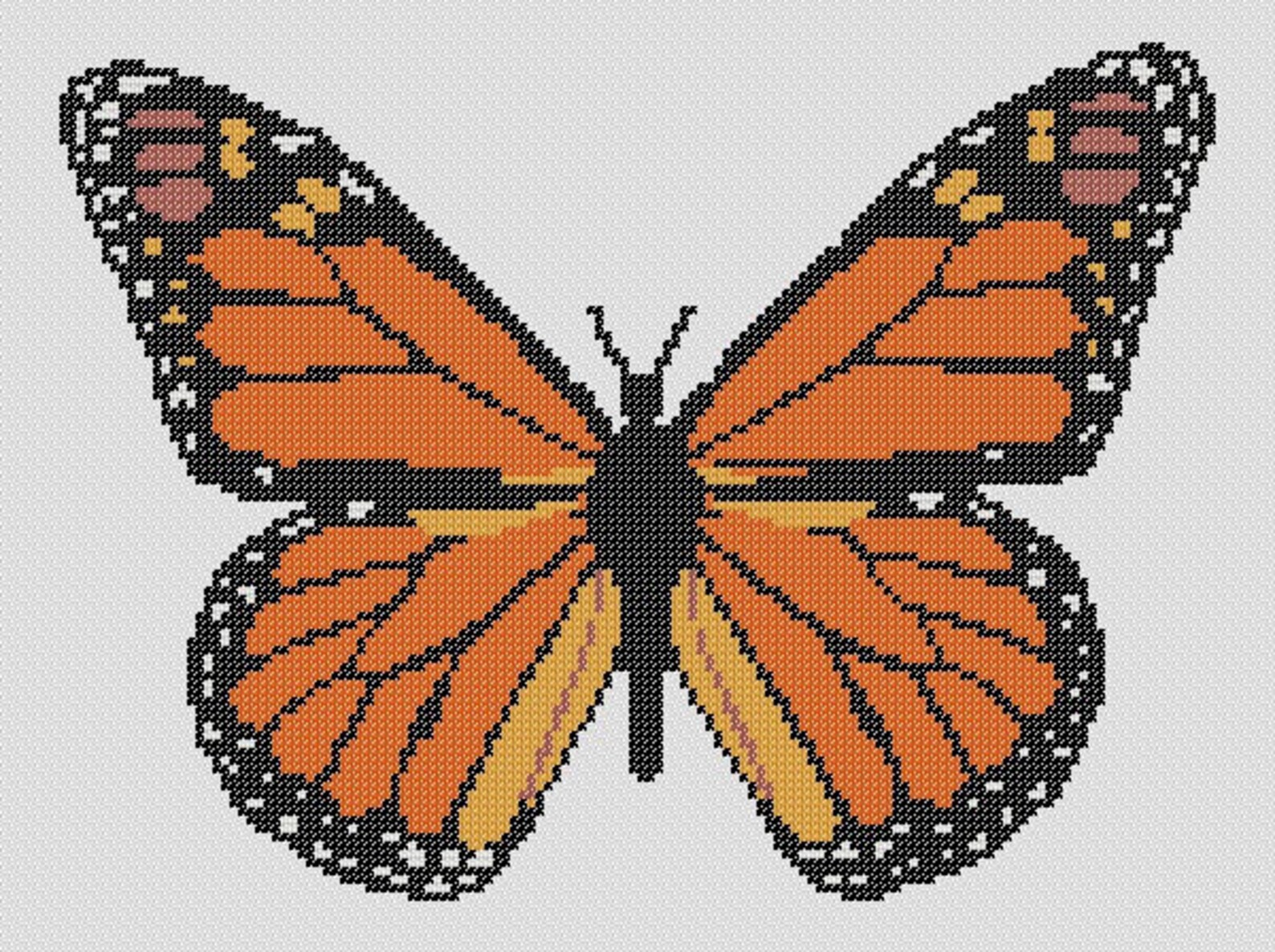
Imagine transforming a simple piece of fabric into a vibrant garden scene, where delicate winged creatures flutter amongst meticulously stitched blossoms. This is the enchanting world unlocked through the art of needlework, a realm where patience intertwines with creativity, and each completed project becomes a testament to focused dedication. The subtle rise and fall of the needle, the satisfying click of the thread, and the slow emergence of intricate designs offer a soothing escape from the everyday.
Embroidery, in its various forms, boasts a rich and colorful past. From the ancient traditions of tapestry weaving to the samplers meticulously created by young women in centuries past, the act of embellishing fabric has served as both a practical skill and an artistic outlet across diverse cultures. These handcrafted pieces often held symbolic meaning, told stories, or served as cherished heirlooms, passed down through generations, each stitch echoing the spirit and traditions of its time.
One of the most appealing aspects of this craft lies in its adaptability. It welcomes both novices eager to learn the basic techniques and seasoned artisans seeking to push the boundaries of their skills. With readily available materials and a wealth of online resources, embarking on a new project is both accessible and affordable. The level of complexity is entirely customizable, allowing crafters to choose designs that align with their experience and personal preferences, making it a truly inclusive and rewarding hobby.
The beauty of this art form is also found in its endless variety. Designs range from realistic portrayals of natural elements, like flowers and insects, to abstract geometric patterns and whimsical character illustrations. Color palettes can be bold and vibrant, or subtle and muted, depending on the desired aesthetic. Furthermore, unique embellishments such as beads, sequins, and metallic threads can be added to elevate a design and create a truly unique and personalized work of art.
Ready to embark on a creative journey? The following guide will explore a selection of delightful designs perfect for adorning your home or gifting to loved ones. Discover the simple steps, helpful tips, and inspirational ideas that will help you bring these captivating projects to life.
Pattern Complexity
The intricacy of a butterfly design greatly shapes the enjoyment and final outcome of any counted cross stitch project. Pattern complexity, in the context of creating butterfly-themed art, signifies the level of detail, number of colors, and density of stitches required to complete a particular design. Selecting a pattern that aligns with one’s current skill level is paramount for a satisfying and successful crafting endeavor.
-
Stitch Count and Density
This refers to the number of individual stitches needed to complete the design. High stitch counts often indicate more detailed and realistic depictions, requiring patience and precision. Beginner-friendly patterns feature lower stitch counts and larger, more open areas, while advanced designs showcase intricate shading and minute details, demanding greater expertise in stitch placement.
-
Number of Colors
The color palette employed in a butterfly pattern significantly impacts its visual impact. Simpler designs might utilize only a handful of colors to create a basic outline, whereas more complex patterns often incorporate a wide spectrum of hues to achieve depth, dimension, and realistic color gradients found in natural butterfly wings. A greater number of colors necessitates frequent thread changes and meticulous attention to color placement, adding to the overall challenge.
-
Use of Fractional Stitches
Fractional stitches, such as half stitches and quarter stitches, are often employed to create smooth curves and intricate details within a butterfly design. These techniques require a more advanced understanding of cross stitch and a steady hand. Patterns relying heavily on fractional stitches are better suited for experienced crafters seeking to add a layer of realism and refinement to their work.
-
Backstitching and Embellishments
Backstitching, a technique used to outline shapes and add definition, plays a crucial role in enhancing the overall clarity and visual appeal of butterfly designs. Furthermore, some patterns may incorporate embellishments like beads, sequins, or specialty threads to add texture and dimension. The presence of backstitching and other embellishments can increase the complexity of the project but also elevate the finished piece to a more elaborate and captivating work of art.
In conclusion, the desired aesthetic of the finished butterfly design should guide the selection of pattern complexity. Whether one seeks a quick and charming project or a challenging and intricately detailed masterpiece, understanding the nuances of stitch count, color variation, fractional stitches, and embellishments empowers crafters to choose patterns that align with their skill level and creative aspirations, resulting in a rewarding and visually stunning needlework creation.
Thread Selection
The choice of thread is paramount in bringing a “counted cross stitch butterfly pattern” to life. It is the very essence of color, texture, and longevity, shaping the final aesthetic and breathing personality into each meticulously placed stitch. The right thread transforms a simple design into a vibrant, eye-catching piece of art, while a less-than-ideal selection can diminish the overall impact.
-
Fiber Type and Sheen
Cotton floss is the most common choice, celebrated for its matte finish and wide array of colors. It lends a soft, natural look, perfect for realistic butterfly depictions. Silk thread, on the other hand, offers a lustrous sheen, adding a touch of elegance and sophistication. Wool thread provides a rustic texture, ideal for creating a vintage or folk-art inspired butterfly. The thread’s inherent sheen dramatically alters how light interacts with the finished design, influencing the perceived depth and vibrancy of the butterfly’s wings.
-
Colorfastness and Dye Lots
Ensuring that threads are colorfast is crucial for the longevity of the finished piece. Threads that bleed or fade over time can distort the original design, leaving a disappointing result. Checking for consistent dye lots is equally important, especially when working on larger projects. Slight variations in dye lots can create unwanted color shifts within the butterfly’s wings, disrupting the smooth transitions and overall harmony of the piece.
-
Thread Weight and Ply
The weight and ply of the thread affect the coverage and texture of the stitches. Most counted cross stitch patterns are designed for six-strand embroidery floss, which can be separated into individual strands depending on the fabric count and desired stitch density. Using fewer strands creates a lighter, airier effect, while using more strands provides fuller coverage and a bolder appearance. Experimentation with thread weight allows for the creation of unique textural effects within the butterfly’s wings, adding dimension and visual interest.
-
Specialty Threads
Beyond traditional floss, specialty threads like metallics, variegated floss, and glow-in-the-dark threads offer exciting opportunities for creative embellishment. Metallic threads can add a subtle shimmer to the butterfly’s wings, mimicking the iridescent scales found in nature. Variegated floss, with its gradual color changes, creates subtle shading and depth with minimal effort. Glow-in-the-dark threads add a whimsical touch, making the butterfly come alive in low-light conditions. These unique threads can transform a simple butterfly design into a captivating conversation piece.
The thoughtful selection of thread, considering fiber type, colorfastness, weight, and the potential for specialty embellishments, elevates a simple “counted cross stitch butterfly pattern” into a personalized work of art. Each thread becomes a brushstroke, contributing to the overall texture, color, and lasting beauty of the finished piece. Embracing the nuances of thread selection empowers the crafter to unlock the full potential of their chosen design, creating a butterfly that truly takes flight.
Fabric Type
The foundation upon which a “counted cross stitch butterfly pattern” is realized lies in the choice of fabric. It provides the grid for each stitch and influences the overall texture, drape, and durability of the finished piece. Selecting the appropriate fabric is therefore as crucial as selecting the right threads or pattern, ensuring that the final creation reflects the intended aesthetic and craftsmanship.
-
Aida Cloth: The Beginner’s Canvas
Aida cloth, with its distinct, evenly spaced squares, is a popular choice, particularly for beginners. These clearly defined holes act as a natural guide, simplifying stitch placement and promoting uniformity. It is readily available in various counts (squares per inch), influencing the size of the finished butterfly. For example, a 14-count Aida will produce a larger butterfly compared to an 18-count, given the same pattern. Aida’s stability also makes it ideal for projects that will be framed or displayed without extensive handling.
-
Linen: A Touch of Elegance and Tradition
Linen offers a more refined and textured surface for “counted cross stitch butterfly patterns.” While lacking the obvious grid of Aida, linen’s even weave requires careful counting, appealing to experienced stitchers who appreciate the challenge and resulting sophistication. Linen elevates the visual appeal of delicate butterfly designs, lending a timeless quality reminiscent of antique samplers. The natural drape of linen also makes it suitable for projects that will be used as decorative textiles, such as pillow covers or wall hangings.
-
Evenweave Fabrics: Blending Ease and Refinement
Evenweave fabrics, like Jobelan or Lugana, strike a balance between the ease of Aida and the elegance of linen. Their uniform weave provides clear stitch definition while offering a softer hand and more subtle texture than Aida. These fabrics are an excellent choice for stitchers seeking to advance their skills and achieve a more polished look for their butterfly creations. They work well for intricate designs with fine details, allowing for precise stitch placement and refined shading effects.
-
Specialty Fabrics: Exploring Beyond the Norm
For those seeking to push the boundaries of creativity, specialty fabrics offer unique possibilities. Fabrics with pre-printed backgrounds, metallic threads woven in, or even perforated paper provide exciting surfaces for “counted cross stitch butterfly patterns.” These unconventional materials can add unexpected dimension, sparkle, or texture to the finished piece, transforming a traditional craft into a contemporary work of art. Experimenting with specialty fabrics allows stitchers to express their individual style and create truly one-of-a-kind butterfly designs.
From the accessible grid of Aida to the refined texture of linen, the choice of fabric significantly impacts the final presentation of “counted cross stitch butterfly patterns”. Each fabric type offers unique benefits, catering to different skill levels, design preferences, and intended uses. By carefully considering the characteristics of each fabric, stitchers can ensure that their butterfly designs take flight on the perfect canvas, showcasing their creativity and craftsmanship to the fullest.
Color Palettes
The selection of color palettes stands as a pivotal decision in the creation of any “counted cross stitch butterfly pattern.” More than mere hues, these carefully chosen combinations breathe life into the design, evoking emotions, capturing realism, and transforming simple stitches into captivating portrayals of nature’s artistry.
-
Monochromatic Schemes: Elegance in Simplicity
Monochromatic color palettes utilize variations of a single base color, ranging from its lightest tints to its darkest shades. This approach creates a sense of harmony and sophistication, ideal for depicting butterflies with subtle coloration or for achieving a minimalist aesthetic. For example, a monochromatic blue palette can capture the delicate nuances of a Blue Morpho butterfly’s wings, highlighting the play of light and shadow with understated elegance. This scheme is particularly effective when the pattern emphasizes texture and stitch definition.
-
Analogous Harmonies: Nature’s Gentle Gradient
Analogous color palettes incorporate colors that sit adjacent to each other on the color wheel, such as blues and greens, or reds and oranges. This creates a soothing and harmonious effect, mirroring the natural color gradations found in butterfly wings and floral environments. An analogous palette of yellows, oranges, and reds can beautifully depict a Monarch butterfly flitting among vibrant wildflowers, evoking a sense of warmth and vitality. This choice allows for seamless color transitions and a visually pleasing composition.
-
Complementary Contrasts: Boldness and Vibrancy
Complementary color palettes pair colors that sit opposite each other on the color wheel, such as blue and orange, or red and green. This creates a striking contrast and heightened vibrancy, drawing the eye and adding visual impact. Employing a complementary palette of purple and yellow can vividly portray a vibrant butterfly against a field of golden blossoms, creating a dynamic and eye-catching piece. Skillful use of complementary colors can add depth and dimension to the design, making the butterfly truly stand out.
-
Custom and Thematic Choices: Personal Expression
Beyond traditional color theory, the selection of color palettes can be driven by personal preference, thematic considerations, or desired emotional impact. A pastel palette can evoke a sense of whimsy and innocence, while a jewel-toned palette can convey richness and opulence. Stitchers may choose colors based on the specific butterfly species they wish to depict, or create a palette that complements their home dcor. The freedom to customize color palettes allows for endless creativity and the opportunity to express individual artistic vision in “counted cross stitch butterfly patterns.”
Ultimately, the choice of color palette is a crucial element in determining the overall impact and emotional resonance of a finished “counted cross stitch butterfly pattern.” Whether striving for realism, elegance, vibrancy, or personal expression, the skillful manipulation of color transforms simple stitches into captivating works of art that celebrate the beauty and wonder of the natural world.
What Youll Need to Stitch Your Own Butterfly Garden
Embarking on a “counted cross stitch butterfly patterns” project is an exciting endeavor! Gathering your supplies beforehand ensures a smooth and enjoyable creative process. Here’s a breakdown of what you’ll need to get started:
- “Counted Cross Stitch Butterfly Pattern”: The blueprint for your masterpiece! Choose one that matches your skill level and aesthetic preferences. Patterns can be found in books, online, or as downloadable PDFs.
- Aida Cloth or Evenweave Fabric: The canvas for your stitches. Aida cloth is great for beginners, while evenweave offers a more subtle texture. Choose a count (stitches per inch) that corresponds with your pattern and desired size.
- Embroidery Floss: The colorful threads that bring your butterfly to life! DMC and Anchor are popular brands, offering a wide range of colors. Refer to your pattern for the specific colors needed.
- Embroidery Hoop or Frame: This helps to keep your fabric taut and prevents wrinkles while stitching. Choose a size that comfortably accommodates your design.
- Embroidery Needle: A blunt-tipped needle with a large eye is ideal for cross stitch. The size of the needle should correspond with the fabric count and thread thickness.
- Scissors: Small, sharp embroidery scissors are essential for snipping threads neatly.
- Needle Threader (Optional): A handy tool for threading floss through the eye of the needle, especially helpful for those with vision challenges.
- Good Lighting: Adequate lighting is crucial for comfortable and accurate stitching. A bright lamp or natural light source is recommended.
- Magnifying Glass (Optional): If you’re working with a high-count fabric or intricate pattern, a magnifying glass can be helpful for seeing the stitches clearly.
- Thread Organizer: Bobbins, floss organizers, or even ziplock bags can help keep your threads neat and tangle-free.
Preparation Tips for a Stress-Free Stitching Experience
A little preparation goes a long way in ensuring a relaxed and enjoyable stitching experience. Here are a few helpful tips:
Prepare Your Fabric: Before you start stitching, it’s a good idea to wash and iron your fabric to prevent shrinkage or wrinkles later. Find the center of your fabric by folding it in half lengthwise and then widthwise. This will help you center your design. You can also serge or tape the edges of your fabric to prevent fraying.
Organize Your Threads: Sort your embroidery floss according to the pattern’s color key and label them clearly. Wind the floss onto bobbins or store them in a thread organizer to keep them neat and prevent tangling.
Set Up Your Workspace: Choose a comfortable and well-lit area to work. Make sure you have everything you need within easy reach. A comfortable chair and good posture are essential for preventing strain and fatigue.
Take Breaks: Stitching can be a relaxing hobby, but it’s important to take regular breaks to stretch your hands and eyes. Get up and move around every hour or so to prevent stiffness.
Prioritize Safety and Comfort: Ensure your workspace is well-lit to reduce eye strain. Maintain good posture to prevent back and neck pain. Use a needle threader if you have difficulty threading the needle. Most importantly, enjoy the process of creating your beautiful “counted cross stitch butterfly patterns”!
Step-by-Step Instructions
Step 1
Begin by finding the center of your Aida cloth or evenweave fabric. Fold the fabric in half lengthwise and then widthwise, pressing lightly to create a crease at the center point. This will serve as your starting guide for centering the butterfly design.
Step 2
Cut a length of embroidery floss approximately 18 inches long. Separate the floss into the number of strands specified in your “counted cross stitch butterfly patterns” (typically 2 or 3). Thread the strands through the eye of your embroidery needle. A needle threader can be helpful if you find this step challenging. Secure the end of the floss with a small knot.
Step 3
Refer to your pattern and locate the starting point for your butterfly design, counting carefully from the center point of your fabric. Bring the needle up through the bottom left corner of the first square on your pattern. Then, insert the needle diagonally into the top right corner of the same square, completing the first leg of the cross stitch.
Step 4
Next, bring the needle up through the bottom right corner of the same square. Insert the needle diagonally into the top left corner of the square. This completes the cross stitch. Ensure that all your cross stitches are oriented in the same direction (e.g., the bottom left to top right stitch always comes first) for a uniform and professional look.
Step 5
Continue stitching adjacent cross stitches following your butterfly pattern. You can either complete each individual cross stitch as you go (as described above) or stitch all the first legs of the cross stitches in a row or column and then return to complete the second legs. The choice is up to you and depends on your preferred stitching method.
Step 6
When you need to change colors, carefully weave the end of the current floss under several stitches on the back of your fabric to secure it. Trim the excess floss close to the fabric. Thread your needle with the new color of floss and repeat the process of securing the end by weaving it under existing stitches. Begin stitching with the new color, following the pattern.
Step 7
Once you’ve completed the main cross stitches of your butterfly, your “counted cross stitch butterfly patterns” might call for backstitching to define the edges and add detail. Using a single strand of embroidery floss (usually black or a contrasting color), follow the lines indicated on your pattern, using a simple backstitch to outline the butterfly’s wings and body. To create a backstitch, bring the needle up one stitch length away from the line you want to create and then insert the needle back into the previous stitch hole.
Step 8
Once you’ve completed all the stitching, including any backstitching or embellishments, carefully remove your fabric from the embroidery hoop or frame. Gently press the finished piece on the reverse side using a low heat setting on your iron. Your beautiful “counted cross stitch butterfly patterns” creation is now ready to be framed, displayed, or gifted!
Creating “counted cross stitch butterfly patterns” is more than just a hobby; it’s an opportunity to transform simple materials into a miniature work of art. From the satisfying click of the needle to the vibrant colors that emerge with each stitch, this craft offers a calming escape and a tangible sense of accomplishment.
Butterflies, with their delicate wings and vibrant colors, have long symbolized transformation, beauty, and freedom. Capturing their essence in needlework allows you to bring a touch of nature’s magic into your home, creating a lasting reminder of the beauty that surrounds us.
So, why not give it a try? Whether you’re a seasoned stitcher or a complete beginner, there’s a “counted cross stitch butterfly patterns” project waiting for you. We’d love to see what you create! Share your finished projects with us online or leave a comment below to let us know what you think. Your creativity might just inspire someone else to pick up a needle and thread!
Happy stitching!
Images References :
Image used for illustration purposes only. All rights belong to their respective owners.



