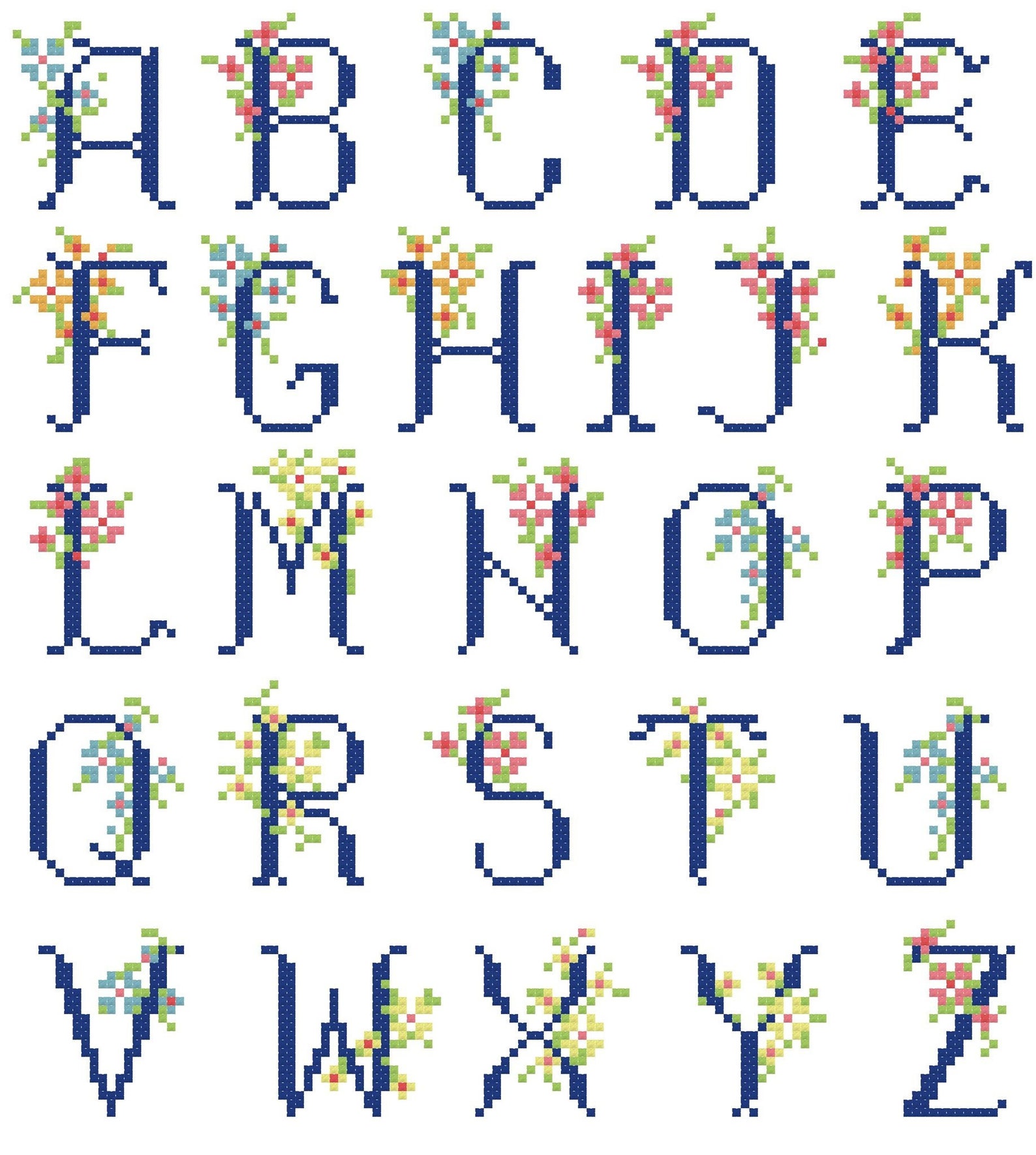
Imagine transforming simple fabric into personalized works of art, each stitch a testament to patience and creativity. The act of embellishing cloth with delicate, carefully placed threads evokes a sense of calm and accomplishment. Visualizing personalized monograms, thoughtful messages, or vibrant names blossoming under skillful hands brings immense satisfaction. It is a craft where precision meets personal expression, transforming ordinary items into cherished keepsakes.
The enduring appeal of needlework spans centuries and cultures. From ancient samplers meticulously crafted by young women honing their skills to modern interpretations adorning contemporary homes, its history is woven into the fabric of society. The tradition of using thread to convey meaning and beauty has been passed down through generations, a tangible link to the artistry of the past.
This craft offers a surprisingly accessible entry point for beginners while providing endless opportunities for seasoned artisans to explore new techniques and styles. The basic materials are readily available and relatively inexpensive, fostering a welcoming environment for anyone eager to learn. Its adaptability allows one to create anything from small, intricate designs to larger, more ambitious projects.
Contemporary expressions range from minimalist designs to elaborate, colorful displays. Some embrace classic fonts and traditional motifs, while others experiment with modern typography and bold color palettes. The versatility of the art form allows for adaptation to various tastes and purposes, making it a constantly evolving art form.
The following exploration will delve into the specifics of creating individual characters, offering guidance on selecting materials, understanding charts, and executing precise stitches. Whether seeking to personalize a gift, embellish a home dcor item, or simply indulge in a relaxing hobby, a wealth of knowledge awaits to unlock the potential of every stitch.
Font Style Selection
The choice of font style serves as the foundation for any personalized project involving stitched characters. It dictates the visual tone and ultimately shapes the message conveyed through threaded artistry.
-
Serif vs. Sans-Serif
Serif fonts, with their delicate finishing strokes, often evoke a sense of tradition, formality, or elegance. Consider using a serif font to personalize a wedding sampler or a sophisticated monogram. Sans-serif fonts, clean and modern, project a sense of simplicity and directness. These are well-suited for children’s room decor or contemporary designs.
-
Script and Decorative Fonts
Script fonts mimic handwriting, infusing projects with a personal and romantic touch. Use them sparingly for emphasis or short phrases, as intricate scripts can be challenging to execute in cross stitch. Decorative fonts offer a wide array of stylistic options, ranging from whimsical to bold. They work exceptionally well for themed projects or creating eye-catching focal points.
-
Font Size and Proportionality
The selected font size must be appropriate for the project’s scale and the density of the Aida cloth. Overly large fonts may appear clunky on smaller pieces, while tiny fonts can be difficult to stitch neatly. Proportionality ensures that each letter harmonizes with its neighbors, maintaining visual balance and preventing distortion.
-
Readability Considerations
While artistic expression is paramount, readability should not be sacrificed. Ornate or highly stylized fonts, though visually appealing, may compromise clarity. Prioritize fonts that are easily deciphered, especially when creating personalized gifts or items intended for practical use.
Careful font selection amplifies the impact of stitched characters, allowing one to tailor messages, monograms, and names to the specific occasion and desired aesthetic. It transforms a simple design into a carefully curated piece of personalized art.
Grid Alignment Precision
Within the meticulous world of crafting characters with cross stitch, grid alignment precision serves as the very backbone of legibility and aesthetic appeal. Each stitch meticulously placed on the Aida cloth builds upon the established grid, dictating the shape, size, and overall appearance of the alphabet letter. Imprecise alignment leads to distorted forms, uneven lines, and a diminished sense of professionalism. Imagine a beautifully stitched sampler where letters lean haphazardly or appear cramped – the impact is instantly lessened. Grid alignment guarantees visual harmony.
Consider, for instance, creating a personalized birth announcement. The parents’ names, and the newborns name deserve to be presented with care and elegance. Perfectly aligned letters project a sense of pride and attention to detail. The alignment is often achieved by meticulously following a pre-designed chart, ensuring each ‘x’ lands precisely where it should, adhering to the grid of the Aida fabric. Even slight deviations accumulate, resulting in a discernible slant or irregularity. Experienced stitchers often employ techniques like counting rows and columns repeatedly, double-checking placements, and using gridding tools to maintain consistent accuracy. The grid becomes an essential framework.
Ultimately, embracing grid alignment precision transforms cross-stitched characters from simple configurations of stitches into polished, professional pieces. While mastering this skill requires patience and meticulousness, the rewards are well worth the effort. Maintaining this skill offers a sense of accomplishment from a piece that showcases quality and professionalism in the completed pattern. Grid alignment is vital for creating any form of counted cross-stitch letter, whether beginners or masters, and should be one of the first focuses for any stitching projects.
Color Palette Harmony
The thoughtful selection of colors elevates a cross-stitched alphabet from a simple collection of characters to a vibrant expression of artistry. A harmonious color palette creates visual appeal, draws the eye, and infuses the project with a sense of cohesion and intention. It transforms functional text into a captivating design.
-
Analogous Color Schemes
Analogous colors, those that sit adjacent to each other on the color wheel, create a sense of serenity and visual flow. Consider a palette of blues and greens for a calming nursery nameplate or a series of warm reds, oranges, and yellows for a cozy kitchen sampler. The gentle transitions inherent in analogous schemes lend a subtle sophistication to stitched lettering.
-
Complementary Color Contrasts
Complementary colors, positioned opposite one another on the color wheel, generate high-impact contrast and visual excitement. A combination of red and green for a festive holiday banner or blue and orange for a bold monogram will instantly grab attention. However, careful application is key; overuse of complementary pairs can create a jarring effect.
-
Monochromatic Color Depth
Monochromatic schemes, utilizing varying shades and tints of a single hue, offer a sophisticated and elegant aesthetic. From the palest blush to the deepest crimson, the subtle gradations create depth and visual interest. Consider a monochromatic gray alphabet for a sleek and modern design, or varying shades of blue for a calming, coastal-themed project.
-
Thread Texture and Sheen
Beyond the color itself, the texture and sheen of the thread play a crucial role in the overall palette. Matte threads provide a subdued and rustic look, while metallic or glossy threads add a touch of shimmer and glamour. Experimenting with different thread finishes can add dimension and personality to the cross-stitched alphabet.
Ultimately, the color palette should reflect the intended mood and purpose of the stitched characters. Whether aiming for a subtle and sophisticated effect or a bold and eye-catching statement, a thoughtfully curated color scheme enhances the visual impact and elevates the project from craft to art. Each letter becomes more than just a symbol but a brushstroke in a larger artistic composition.
Letter Spacing Consistency
In the realm of crafting personalized messages and monograms with counted cross stitch alphabet letters, the consistent spacing between characters is paramount. It is the silent architect of readability and aesthetic harmony, determining how effortlessly the eye glides across the stitched text and how professionally finished the final piece appears. Uneven spacing can disrupt the visual flow, making words appear disjointed or cramped, detracting from the overall impact.
-
The Visual Rhythm of Text
Just as musical notes require precise timing, letters need carefully calibrated spacing to create a pleasing visual rhythm. Consistent intervals between characters allow the eye to perceive words as cohesive units, facilitating effortless reading. Imagine a stitched quote where some letters huddle together while others drift apart; the jarring effect disrupts the message and undermines the craft. Skilled practitioners understand the power of negative space in shaping the text’s aesthetic qualities.
-
Adapting to Font Styles
Different font styles demand unique spacing considerations. A delicate script, with its flowing connections, requires a lighter touch than a bold, blocky font. Some characters, such as ‘W’ or ‘M,’ inherently occupy more horizontal space than others, necessitating adjustments to maintain visual balance. The ability to adapt spacing to suit the specific characteristics of the chosen font elevates a project from adequate to exceptional.
-
Impact on Readability
Legibility is often the foremost concern when stitching personalized texts. Inconsistent letter spacing undermines readability, potentially obscuring the intended message. This is especially critical when creating items with practical applications, such as name tags or labels. Prioritizing uniform spacing ensures that the stitched characters communicate effectively and clearly.
-
The Professional Touch
Consistent letter spacing is a hallmark of professional-grade needlework. It signals meticulous attention to detail and a commitment to crafting pieces of lasting quality. Whether creating a cherished family heirloom or a commissioned work of art, evenly spaced letters elevate the final product, conveying a sense of pride and craftsmanship.
As evidenced, the meticulous management of space between cross-stitched alphabet letters is key to achieving a polished and professional finish. Careful consideration allows the stitcher to create visually appealing, easy-to-read designs. Focusing on the rhythm and balance through each project shows how the craft becomes personal expression.
What Youll Need
- Aida Cloth: This is the foundation! Aida cloth is a fabric with evenly spaced holes, making it easy to create neat cross stitches. Different “counts” (holes per inch) are available; 14-count is a good starting point for beginners.
- Embroidery Hoop or Frame: These tools keep your fabric taut while you stitch, preventing puckering and making it easier to maintain consistent tension. Choose a size appropriate for your project.
- Embroidery Floss: This is the thread you’ll use to create your stitches. DMC is a popular brand with a wide range of colors. Choose the colors that match your chosen alphabet pattern.
- Embroidery Needle: A blunt-tipped needle with a large eye is ideal for cross stitch. This type of needle slides easily through the holes in the Aida cloth without snagging the fibers.
- Cross Stitch Pattern: You’ll need a chart or pattern that shows you where to place each stitch. Many free and paid patterns are available online or in craft stores. Pay attention to the color key.
- Scissors: Small, sharp scissors are essential for trimming your floss ends neatly.
- Optional: Thread Organizer: Organizing your floss colors on a bobbin or in a thread box can prevent tangles and make it easier to find the colors you need.
- Optional: Magnifying Glass/Light: A magnifying glass with a built-in light can be helpful for stitching intricate details, especially if your vision is not perfect.
Preparation Tips
Prepare Your Fabric: Before you begin, it’s a good idea to overlock or zig-zag stitch around the edges of your Aida cloth to prevent fraying. You can also use masking tape or fray check. If you’re using an embroidery hoop, center the fabric in the hoop and tighten the screw until the fabric is taut but not overly stretched.
Organize Your Threads: Cut your embroidery floss into manageable lengths (about 18 inches). Separate each strand of floss; most embroidery floss comes with six strands. Separate them and then put back together the number the pattern requires (usually 2 or 3). Label each floss color with the corresponding symbol from your pattern using bobbins.
Safety and Comfort: Stitch in a well-lit area to reduce eye strain. Take breaks regularly to stretch your hands and avoid repetitive strain injuries. Maintain good posture while you stitch to prevent back and neck pain. Consider using a floor stand for your hoop to free up your hands.
Step-by-Step Instructions
Step 1
Start by cutting a piece of Aida cloth slightly larger than the finished size of your alphabet letter. Overlock or zig-zag stitch the edges to prevent fraying. Center the cloth in your embroidery hoop, ensuring it’s taut like a drum but not overly stretched. This provides a stable foundation for your stitching.
Step 2
Cut a length of embroidery floss (about 18 inches) in the color indicated by your pattern. Separate two or three strands of the floss (depending on the pattern instructions). Thread the embroidery needle with the separated strands. Tie a small knot at one end of the floss.
Step 3
Locate the starting point of your alphabet letter on the cross stitch pattern. This is usually indicated with a specific symbol or highlighted area. On your Aida cloth, find the corresponding location. Many patterns suggest starting in the center of the design, which can be found by folding the Aida cloth in half both ways and identifying the middle point.
Step 4
Bring the needle up through the Aida cloth at the lower left corner of the first stitch (as indicated on your pattern). Then, bring the needle down through the upper right corner of the same stitch. This completes half of the cross stitch (a diagonal line).
Step 5
Now, bring the needle up through the lower right corner of the same stitch. Then, bring the needle down through the upper left corner. This completes the cross stitch, forming an “X”. Ensure the top stitch always slants in the same direction for a uniform appearance.
Step 6
If the pattern indicates multiple cross stitches of the same color in a row, you can use the “stabbing” or “sewing” method. For the sewing method, stitch all the bottom halves of the crosses in a row, then come back and complete the top halves. This method can be faster, but ensure the back of your work remains neat and tidy. If the back of your work appears too messy, return to the stabbing method.
Step 7
When you need to change colors, secure the end of the current floss on the back of your work by weaving it through several existing stitches. Trim the excess floss. Thread the needle with the new color and repeat the stitching process, starting at the appropriate location as indicated on your pattern.
Step 8
Once you’ve completed the entire alphabet letter, secure the end of the final floss strand on the back of your work. Trim any excess floss. Remove the Aida cloth from the embroidery hoop. Gently wash the finished piece with mild soap and water, if desired, to remove any oils or dirt. Press the piece gently with an iron on a low setting, placing a clean cloth between the iron and the stitching.
Step 9
Now you can decide how you want to display your work. Frame your finished piece in an embroidery hoop, mount it in a picture frame, or use it to embellish another project, such as a pillowcase or a tote bag. The possibilities are endless!
Creating your own alphabet through counted cross stitch is a wonderfully rewarding experience. It allows you to personalize gifts, add a touch of handmade charm to your home decor, and immerse yourself in a relaxing and creative activity. From selecting the perfect font and colors to meticulously placing each stitch, every step is an opportunity to express your unique style.
This craft offers more than just a finished product; it provides a chance to connect with a time-honored tradition and to bring a sense of calm and focus into your day. The simple act of transforming fabric and thread into something beautiful is a testament to the power of creativity and the joy of making.
We hope you feel inspired to embark on your own counted cross stitch alphabet adventure! Don’t be afraid to experiment with different fonts, colors, and techniques to create something truly special. We’d love to see what you create please share your photos in the comments below or tag us on social media! Your creations inspire us all!
Happy stitching!
Images References :
Image used for illustration purposes only. All rights belong to their respective owners.



