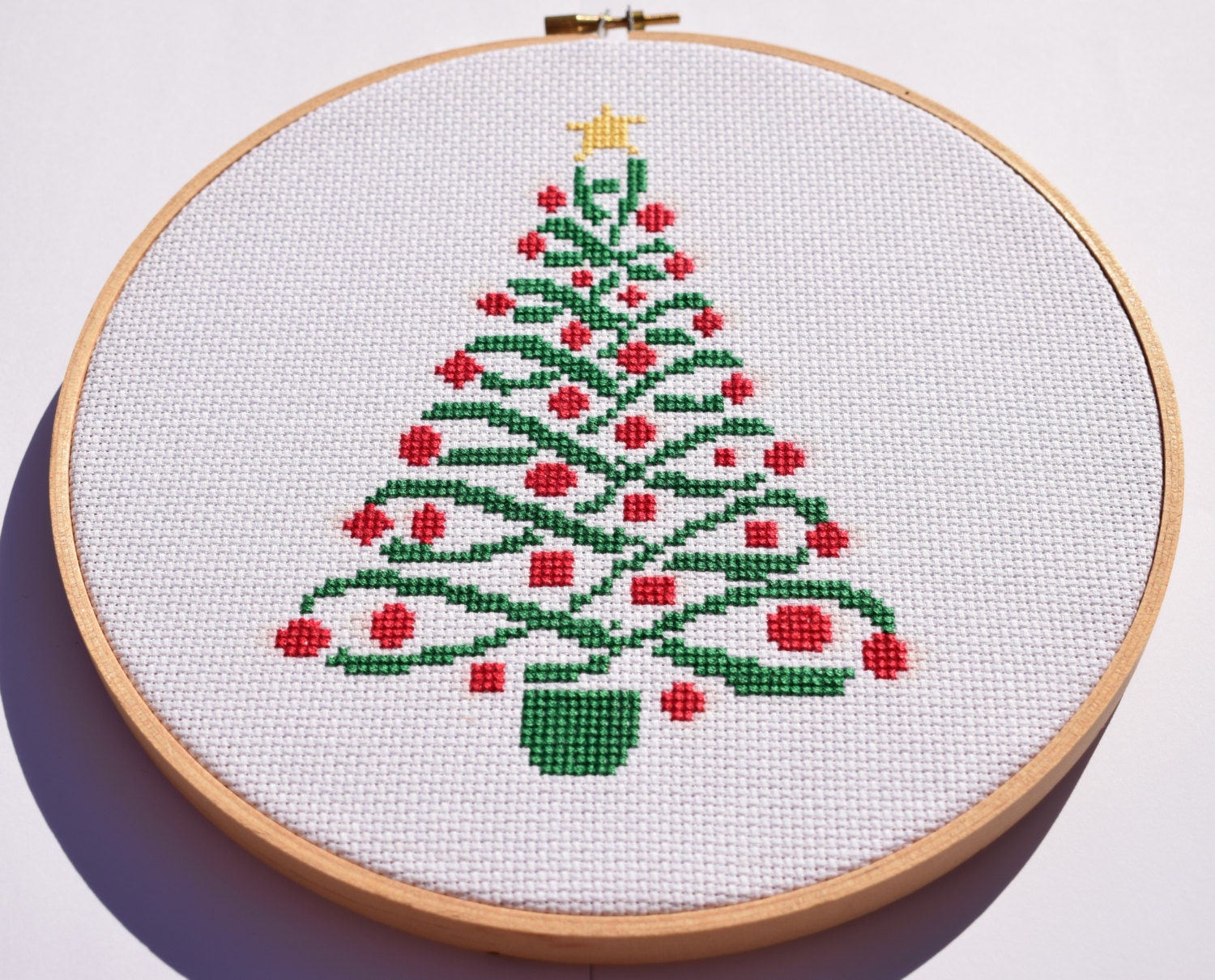
Imagine transforming simple threads into miniature works of art, evoking the warmth and cheer of the holiday season. Each carefully placed stitch builds a vibrant tapestry, a testament to patience and creativity. The finished piece, imbued with personal touch, radiates the joy and anticipation that defines the festive spirit.
Needlework, in its various forms, boasts a rich and fascinating heritage. From ancient tapestries to delicate samplers, the craft has served as a means of expression, storytelling, and skill-sharing across generations. The creation of festive-themed items taps into this history, carrying forward traditions of handmade beauty and personalized gifting during the holidays.
This particular needlework offers a wonderfully accessible gateway for both novice and experienced crafters. With a basic understanding of the technique and a readily available kit, one can embark on a fulfilling creative journey. The repetition inherent in the craft promotes a sense of calm and mindfulness, providing a welcome respite from the hustle and bustle of daily life.
From minimalist designs with clean lines to elaborate scenes bursting with color and detail, this needlecraft offers endless possibilities for creative exploration. Contemporary interpretations often incorporate modern color palettes and geometric patterns, while traditional motifs continue to hold a special place in the hearts of many. The craft continually evolves, ensuring that there is a style to suit every aesthetic preference.
The following sections will delve deeper into the specifics of creating your own festive-themed needlework. From selecting the perfect materials to mastering essential techniques, a comprehensive guide awaits, promising to unlock a world of creative possibilities. Prepare to embark on a crafting adventure and infuse the holidays with the timeless charm of handmade artistry.
Design Complexity
The allure of a christmas tree cross stitch pattern often lies in its design complexity, a spectrum that caters to varied skill levels and aesthetic preferences. A simple silhouette, rendered in bold, primary colors, introduces newcomers to the craft’s fundamental principles. These designs, characterized by minimal color changes and straightforward stitch placements, offer a gentle learning curve and the immediate satisfaction of a completed project. Conversely, intricate patterns depict elaborate trees adorned with ornaments, delicate lighting effects, and textured foliage. Such ambitious endeavors challenge experienced stitchers, demanding precision, patience, and a keen eye for detail.
The impact of design complexity extends beyond mere aesthetics; it directly influences the time commitment and resource allocation. A beginner-friendly design can be completed in a few hours, utilizing a limited palette of thread colors and a single piece of fabric. Complex designs, however, may span weeks or even months, requiring multiple thread shades, specialized fabric types, and advanced techniques like fractional stitches and blending. Furthermore, the choice of complexity also dictates the finished piece’s visual impact. Simple designs lend themselves well to smaller projects, such as ornaments or gift tags, while complex designs are better suited for larger, framed artwork or personalized cushions.
Ultimately, selecting an appropriate design complexity is paramount to a fulfilling stitching experience. Overestimating one’s abilities can lead to frustration and abandoned projects, while underestimating can stifle creativity and limit artistic growth. A careful assessment of personal skill level, available time, and desired outcome ensures that the christmas tree cross stitch pattern becomes a source of joy and accomplishment. Understanding this interplay between complexity and skill allows crafters to create cherished heirlooms that reflect both the spirit of the season and the individual’s artistic expression.
Thread Color Palette
The thread color palette breathes life into any “christmas tree cross stitch pattern,” transforming a simple outline into a vibrant expression of the holiday spirit. Color choices dictate the overall mood and visual appeal, subtly influencing how the tree is perceived and experienced. A well-considered palette elevates the craft from a mere hobby to a treasured work of art.
-
Realistic Depiction vs. Stylized Interpretation
A realistic palette, utilizing shades of green ranging from deep forest to light spring, aims to mimic the natural appearance of evergreen foliage. Brown threads create a textured trunk, while subtle highlights of white and silver represent snow or frost. In contrast, a stylized interpretation embraces unconventional colors. Imagine a tree stitched in vibrant blues, purples, and pinks, offering a whimsical and artistic take on the traditional symbol. This artistic freedom allows for personalization and creative expression.
-
Warm vs. Cool Tones
Warm tones like reds, oranges, and golds evoke feelings of coziness and cheer, reminiscent of a crackling fireplace and festive gatherings. These colors are often used for ornaments, stars, and other decorative elements. Cool tones, such as blues, greens, and silvers, create a more serene and elegant atmosphere. They may be incorporated into the background or used to represent a snowy landscape, providing a subtle contrast to the warmer hues. The balance between warm and cool tones is essential for achieving visual harmony.
-
Metallic and Specialty Threads
Metallic threads, available in gold, silver, bronze, and various iridescent shades, add a touch of glamour and sparkle to any “christmas tree cross stitch pattern.” They can be used to highlight ornaments, create shimmering stars, or add a subtle sheen to the tree’s foliage. Specialty threads, such as variegated or glow-in-the-dark options, offer unique textures and visual effects. Variegated threads blend multiple colors within a single strand, creating subtle shifts in hue with each stitch, while glow-in-the-dark threads add a magical touch when the lights are dimmed.
-
Contrast and Harmony
Effective use of contrast enhances the visual impact of the design. Juxtaposing light and dark shades creates depth and dimension, emphasizing certain elements and drawing the eye. Harmonious color combinations, on the other hand, promote a sense of balance and tranquility. Selecting colors that are adjacent to each other on the color wheel often results in a pleasing and cohesive palette. Careful consideration of both contrast and harmony ensures that the “christmas tree cross stitch pattern” is visually engaging and aesthetically pleasing.
The thread color palette is more than just a collection of colors; it is the heart and soul of the “christmas tree cross stitch pattern.” Whether striving for realism, embracing artistic license, or seeking to evoke a specific emotion, the careful selection of thread colors transforms a simple craft into a cherished keepsake, reflecting the unique vision of the artist and the warmth of the holiday season. The artistry elevates the creation, offering a testament to time, skill, and creative expression.
Fabric Count
In the realm of needlework, the fabric count is a foundational element, profoundly shaping the final aesthetic and level of detail achievable in any “christmas tree cross stitch pattern”. It’s the canvas upon which the festive scene unfolds, dictating the density of stitches and the overall texture of the finished piece. Selecting the appropriate fabric count is a crucial decision, influencing both the visual impact and the crafting experience.
-
Definition of Fabric Count
Fabric count refers to the number of threads per inch (TPI) in the woven fabric. A higher fabric count means more threads per inch, resulting in smaller stitches and a more detailed image. Conversely, a lower fabric count yields larger stitches and a coarser texture. Understanding this fundamental relationship is key to selecting the right fabric for a given “christmas tree cross stitch pattern”.
-
Impact on Detail and Size
The fabric count directly influences the level of detail that can be captured in a “christmas tree cross stitch pattern”. A higher count, such as 18-count Aida, allows for finer details in ornaments, intricate branches, and facial features of any characters included in the design. It also reduces the overall size of the finished piece compared to stitching the same design on a lower count fabric like 14-count Aida. Consider how the project will be displayed when choosing the fabric count.
-
Influence on Stitching Difficulty
Stitching on higher count fabrics requires more precision and may be more challenging for beginners or those with visual impairments due to the smaller stitch size. Conversely, lower count fabrics are more forgiving and easier to handle, making them ideal for larger projects or those seeking a more relaxed stitching experience. Matching the fabric count to the stitcher’s skill level ensures a more enjoyable and successful outcome of the “christmas tree cross stitch pattern”.
-
Types of Fabric and Their Counts
Aida cloth is the most common fabric used for needlework and comes in various counts, typically ranging from 11 to 22. Linen, another popular choice, offers a more natural and textured look and often has a higher fabric count. Evenweave fabrics provide a consistent weave and are suitable for more advanced techniques. Each fabric type offers a unique aesthetic and feel, so experimenting with different fabrics can enhance the overall effect of the “christmas tree cross stitch pattern”.
In essence, the fabric count is a critical element that determines the size, detail, and overall texture of a “christmas tree cross stitch pattern”. Selecting the appropriate count involves balancing the desired level of detail with stitching skill and visual preference. By carefully considering these factors, crafters can create beautiful and lasting heirlooms that capture the magic of the holiday season. This element of craft ensures both creative opportunity and lasting enjoyment.
Pattern Readability
The joy of stitching a festive “christmas tree cross stitch pattern” hinges significantly on the clarity and ease of understanding the design blueprint. A well-presented chart transforms a potentially complex undertaking into a smooth, enjoyable creative endeavor, ensuring accurate stitch placement and a delightful final product. Conversely, a poorly designed pattern can lead to frustration, errors, and ultimately, a disheartening crafting experience.
-
Clear Symbol Representation
Distinct symbols, each representing a specific thread color, are paramount for effortless pattern comprehension. Avoiding similar-looking symbols and opting for easily distinguishable shapes or characters minimizes the risk of misinterpreting the chart. A comprehensive legend, clearly associating each symbol with its corresponding thread color and floss number, is equally vital. Such clarity ensures seamless navigation and accurate execution of the “christmas tree cross stitch pattern”. For instance, a star represents gold, a circle represents red, and a triangle represent green.
-
Color-Coded Grids and Lines
Utilizing color-coded grids and lines enhances pattern readability, particularly in intricate designs with numerous color changes. Bold lines demarcate sections of the pattern, allowing for easier tracking of progress and preventing stitch placement errors. Color-coding specific areas of the chart, such as the trunk or branches, further simplifies the process. This visually guided approach reduces eye strain and promotes a more efficient stitching workflow for the “christmas tree cross stitch pattern”. Example: thick gridlines at every 10 stitches. A red mark every 5 stitches
-
Large and Uncluttered Layout
A spacious and uncluttered layout allows for comfortable viewing and minimizes the risk of overlooking important details. Cramped charts with closely packed symbols can strain the eyes and increase the likelihood of errors. Enlarging the pattern or dividing it into manageable sections ensures that each symbol is clearly visible and easily distinguishable. This spaciousness is especially important for individuals with visual impairments or those working on larger, more complex “christmas tree cross stitch pattern”.
-
Digital vs. Printed Formats
The format in which the pattern is presented also impacts readability. Digital patterns offer the advantage of zooming in for closer inspection and using interactive features, such as highlighting stitched areas. However, printed patterns offer a tangible, hands-on experience and eliminate the need for electronic devices. Regardless of the format, ensuring that the pattern is properly formatted, easily accessible, and free of errors is crucial for a successful “christmas tree cross stitch pattern” completion. Some like to mark up patterns as they go, so a printer copy will do.
Ultimately, the readability of a “christmas tree cross stitch pattern” is inextricably linked to the enjoyment and success of the crafting process. Whether opting for a simple design or tackling a more intricate masterpiece, prioritizing a clear and well-organized chart ensures a smooth, rewarding, and festive creative journey. Consider the visual and operational practicality to ensure a memorable needlework.
What You’ll Need
- Aida Cloth: This is your canvas! It has a grid pattern that makes cross-stitching easy. Choose the “count” (number of squares per inch) based on the design; 14-count is a good starting point.
- Embroidery Hoop: This helps keep your fabric taut, preventing puckering and making stitching smoother. A 6-inch hoop is a versatile size.
- Embroidery Floss: These are the colorful threads you’ll use to create the design. The pattern will specify the colors and floss numbers (usually DMC or Anchor brands).
- Embroidery Needle: A blunt-tipped needle with a large eye is ideal. It glides through the Aida cloth without splitting the threads. Size 24 or 26 are commonly used.
- Scissors: Small, sharp scissors are essential for trimming floss ends neatly.
- Pattern: Your “christmas tree cross stitch pattern”! Ensure it’s easy to read with clear symbols and a color key.
- Optional: Needle Threader: Very useful tool to help make threading needles very easy and time saving.
Preparation Tips
Before you start stitching your “christmas tree cross stitch pattern”, wash and iron your Aida cloth to prevent shrinkage and wrinkles later. Find the center of your fabric by folding it in half both ways, then mark it lightly with a fabric pencil. Secure the fabric in your embroidery hoop, making sure it’s taut but not stretched too tightly.
Organize your embroidery floss by color. You can use floss bobbins to wind the thread and label them with the corresponding symbol from the pattern. Good lighting is crucial to prevent eye strain, so choose a well-lit area or use a crafting lamp. Remember to take breaks and stretch your hands and wrists to avoid fatigue. And enjoy this creative process!
Step-by-Step Instructions
Step 1
Begin by finding the center of your Aida cloth. Fold the fabric in half vertically, then horizontally, gently pressing the crease at the center point. Open the fabric and center this point within your embroidery hoop. Tighten the hoop’s screw to ensure the fabric is taut, like a drum, but not overly stretched. This provides a stable and even surface for stitching your “christmas tree cross stitch pattern”.
Step 2
Cut a length of embroidery floss approximately 18 inches long. Separate two strands from the six-strand floss this is a typical amount for 14-count Aida, but check the pattern if it specifies. Thread the two strands through the eye of your embroidery needle. If you’re using a needle threader, insert the threader through the eye, pass the floss through the threader’s loop, and pull the threader back through the eye, drawing the floss along with it. Once threaded, bring the two ends of the floss together and knot them at the end. A secure knot will prevent the floss from slipping out of the fabric as you stitch your “christmas tree cross stitch pattern”.
Step 3
Refer to your “christmas tree cross stitch pattern” and locate the starting point for the first color. Bring the needle up from the back of the fabric through the designated hole. Pull the floss through until the knot catches against the back of the fabric. To secure the starting tail, hold it against the back of the fabric as you make your first few stitches over it. This eliminates the need for a separate knot later and provides a neat finish for your “christmas tree cross stitch pattern”.
Step 4
Each cross stitch is formed by two diagonal stitches that cross each other. From the starting hole, bring the needle up and stitch diagonally to the upper right hole. Then, bring the needle back down into the lower left hole, completing the first diagonal stitch. For the second diagonal stitch, bring the needle up through the lower right hole and down into the upper left hole, crossing the first stitch to form a complete “X”. Ensure that all your top stitches slant in the same direction for a uniform and professional look in your “christmas tree cross stitch pattern”.
Step 5
Continue stitching, following the symbols on your “christmas tree cross stitch pattern”. Work one color at a time, completing all stitches of that color in a given area before moving on to the next. This technique, known as “parking,” helps to maintain consistency and avoids carrying floss across large distances on the back of the fabric. Count carefully and double-check your stitch placement against the pattern to minimize errors in your “christmas tree cross stitch pattern”.
Step 6
When you’ve completed all the stitches of a particular color, or when you reach the end of your thread, secure the floss on the back of the fabric. Weave the needle under a few nearby stitches, pulling the floss gently to secure it. Trim the excess floss close to the fabric, ensuring that the ends don’t unravel. Repeat this process whenever you start a new color or finish a length of floss while working on your “christmas tree cross stitch pattern”.
Step 7
Once you’ve completed all the stitching in your “christmas tree cross stitch pattern”, remove the fabric from the embroidery hoop. Gently hand-wash the finished piece in lukewarm water with a mild detergent to remove any oils or dirt. Lay the fabric flat on a clean towel to dry, and iron it on the reverse side to remove any wrinkles. Finally, frame your finished piece or display it as desired, enjoying the beautiful and festive result of your creative efforts.
Creating a “christmas tree cross stitch pattern” is more than just a craft; it’s a chance to slow down, focus your mind, and bring a touch of handmade charm to the holiday season. The gentle rhythm of the needle, the gradual emergence of the design, and the satisfaction of creating something beautiful with your own hands make it a truly rewarding experience. Plus, you end up with a unique decoration you can treasure for years to come!
Whether you’re a seasoned stitcher or a complete beginner, a “christmas tree cross stitch pattern” provides a delightful avenue for creative expression. It’s a way to personalize your holiday dcor, create meaningful gifts for loved ones, or simply unwind and enjoy the therapeutic benefits of needlework. Each stitch adds a piece of your heart, making the final product a work of art.
We encourage you to give this project a try! Don’t be afraid to experiment with different colors, fabrics, or embellishments to create a design that truly reflects your personal style. And we’d absolutely love to see what you create! Share your finished projects with us on social media or leave a comment below. We cant wait to see your unique take on the holiday tree.
Happy stitching!
Images References :
Image used for illustration purposes only. All rights belong to their respective owners.



