Imagine a canvas slowly blossoming with vibrant threads, each ‘X’ meticulously placed to form a breathtaking image. The rhythmic motion of the needle, the subtle tension of the floss, and the gradual reveal of intricate designs offer a unique sensory experience. This is more than just needlework; it’s a journey into a world where patience meets artistry, and simple materials transform into cherished creations.
From ancient samplers to modern masterpieces, this art form boasts a rich and global heritage. Evidence suggests its presence in cultures around the world for centuries, evolving from practical mending techniques to elaborate displays of skill and creativity. These stitches have adorned everything from clothing and linens to wall hangings and commemorative pieces, each telling a story of tradition, skill, and cultural expression.
The beauty of this craft lies in its approachability. Requiring minimal tools and readily available materials, it’s a hobby accessible to individuals of all ages and skill levels. Whether one seeks a mindful activity to quiet the mind or a creative outlet to express individual style, the basic techniques are easily mastered, opening the door to a vast realm of possibilities. Even seasoned artisans appreciate its versatility as a medium for experimentation and innovation.
Contemporary interpretations are constantly pushing the boundaries of what’s possible, incorporating bold colors, unconventional fabrics, and modern design aesthetics. From whimsical patterns inspired by pop culture to sophisticated geometric abstracts, there’s a style to resonate with every artistic sensibility. The resurgence in popularity speaks to its enduring appeal, adapting to modern trends while retaining its timeless charm.
Ready to embark on this rewarding creative adventure? The following guide will illuminate the fundamental techniques, essential materials, and inspire your first steps into the captivating world of needle and thread. Whether you’re a complete novice or a seasoned crafter, prepare to unlock the potential within each stitch and discover the joy of transforming simple threads into enduring works of art.
Gathering Essential Supplies
The journey into the art of cross stitch commences not with a needle in hand, but with a carefully curated collection of essential supplies. Considering cross stitch as a creative endeavor, assembling the correct tools is less a preliminary step and more the laying of a solid foundation. Without the right implements, even the most inspired designs can falter, resulting in frustration rather than artistic satisfaction. For example, attempting to work on a fine linen fabric without the appropriate magnification and needle size will lead to uneven stitches and eye strain. Consequently, a thoughtful approach to procuring these items directly influences the quality and enjoyment of the entire cross stitch experience.
A starter kit often proves to be a valuable resource, providing a curated selection of necessary tools, including Aida cloth, embroidery floss, needles, and a pattern. However, understanding the individual function of each item enhances the crafters ability to make informed choices and tailor their supplies to specific project requirements. The choice of Aida cloth, for instance, depends on the desired stitch count and the complexity of the pattern. Similarly, the selection of embroidery floss extends beyond color; the type of thread, its sheen, and its resistance to fading all contribute to the final outcome. A dull needle, for example, can snag the fabric and break the thread, which directly affects the stitching tension.
Investing time in gathering quality supplies transforms the initial phase of the project from a chore into an integral part of the creative process. Selecting the perfect needle, admiring the vibrant hues of the embroidery floss, and feeling the texture of the Aida cloth sets the stage for a fulfilling cross stitch experience. It ensures a smoother workflow, reduces potential errors, and allows the artisan to fully immerse themselves in the therapeutic rhythm of the craft. This initial step, often underestimated, ultimately dictates the trajectory of the project, turning a potential struggle into a symphony of stitches.
Learning Basic Stitches
Embarking on the cross stitch journey necessitates a fundamental understanding of its core element: the stitches themselves. “How to start cross stitch” is inextricably linked to mastering these basic techniques; without them, the creative path remains obstructed. The ability to execute a neat and consistent cross stitch forms the bedrock upon which elaborate designs and intricate patterns are built. The effect of mastering basic stitches ripples throughout the entire crafting process, influencing the final appearance and durability of the piece. For instance, uneven tension in the stitches can distort the fabric, while incorrectly formed crosses detract from the overall aesthetic appeal. Consider a floral design: if the basic crosses are not uniformly executed, the petals may appear lopsided or ill-defined, diminishing the artwork’s intended elegance.
Beyond the simple ‘X’ that gives the craft its name, other foundational stitches, such as the backstitch and the fractional stitch, expand the design possibilities. Backstitch creates defined outlines and adds fine detail, while fractional stitches allow for subtle shading and curved lines. Mastering these techniques opens avenues for greater creative expression. The application of these stitches is not limited to replicating patterns; it extends to personalizing and customizing designs. A cross stitch artist can adapt existing patterns or even create original designs with a confident understanding of the stitch’s capabilities.
In summation, the endeavor of “how to start cross stitch” finds its cornerstone in the mastery of basic stitches. This knowledge, carefully cultivated, empowers the artist to navigate complex patterns, explore creative variations, and, ultimately, transform simple threads into lasting works of art. Challenges may arise during the learning process, yet perseverance yields a reward far greater than the initial effort, unlocking a world of creative possibilities and a lifelong passion for this enduring craft.
Understanding Patterns
The ability to decipher a cross stitch pattern acts as the compass guiding a crafter through the creation of their chosen design. Without this understanding, the journey into “how to start cross stitch” becomes akin to navigating uncharted waters, fraught with potential for missteps and frustration. Patterns serve as visual roadmaps, translating complex imagery into a series of manageable, stitch-by-stitch instructions. The design comes to life from a meticulously organized grid of symbols and colors, each corresponding to a specific stitch placement. The absence of this skill can lead to inaccurate color placements, skewed proportions, and, ultimately, a final product that deviates significantly from the intended design. Consider a landscape scene: misunderstanding the pattern symbols for varying shades of green could result in a monotonous field instead of a vibrant, multi-dimensional vista.
Proficiency in reading patterns extends beyond simply matching symbols to colors. It involves discerning the overall structure of the design, identifying key focal points, and understanding how different sections of the pattern interrelate. This holistic understanding enables the stitcher to anticipate challenges, plan their work effectively, and adjust their technique as needed. An appreciation of pattern construction also allows for creative liberties, such as adapting colors to suit personal preferences or modifying the design to fit a specific project size. Understanding the nuances of pattern design empowers the crafter to move beyond mere replication and to infuse their work with individual style. A cross stitch artisan may decide to replace a standard flower pattern with one representing their own flower, which transforms a mass-produced pattern into a unique gift.
In essence, acquiring the skill to interpret cross stitch patterns constitutes a crucial step in the learning process of “how to start cross stitch”. It bridges the gap between a collection of threads and a tangible work of art. Challenges in understanding patterns can arise, especially for beginners encountering complex charts for the first time. However, dedicated practice, combined with helpful resources like online tutorials and experienced mentors, transforms what might seem like an insurmountable obstacle into a gateway to creative mastery. The capacity to understand and execute patterns unlocks the vast potential of this time-honored craft, allowing for the creation of intricate designs, personalized keepsakes, and enduring works of art.
Choosing Right Fabric
Selecting the fabric acts as the silent partner in every cross stitch endeavor, influencing both the ease of stitching and the aesthetic outcome. When considering “how to start cross stitch,” this choice extends beyond mere preference; it’s about setting the stage for a project that flourishes from its very foundation.
-
Aida Cloth: The Beginner’s Ally
Aida cloth, characterized by its evenly spaced, easily discernible squares, provides a clear and forgiving grid for novice stitchers. This fabric simplifies the counting process, reduces the likelihood of errors, and allows beginners to focus on mastering the stitch itself. For example, a first-time cross stitcher working on a simple sampler will find Aida cloth immensely helpful in creating uniform, professional-looking results.
-
Linen and Evenweave: Embracing the Challenge
Linen and evenweave fabrics, with their finer weaves and subtle textures, present a more advanced challenge. These fabrics require careful counting and attention to detail but reward the stitcher with a more refined and delicate appearance. Consider a complex floral design: stitching it on linen lends an air of sophistication that Aida cloth might not achieve.
-
Count Size: Defining Detail
The “count” of a fabric refers to the number of threads per inch, directly impacting the size of the finished design and the level of detail achievable. A higher count allows for more intricate patterns and finer shading, while a lower count produces a larger, bolder design. Selecting an appropriate count is crucial for capturing the essence of the intended artwork. For example, a portrait intended to capture subtle nuances requires a high-count fabric, while a child’s room dcor may benefit from a lower-count, more durable fabric.
-
Color and Texture: Setting the Mood
Beyond functionality, the color and texture of the fabric contribute significantly to the overall aesthetic of the cross stitch project. A light-colored fabric enhances the vibrancy of the floss, while a dark fabric creates a dramatic contrast. The texture can add depth and visual interest, transforming a simple design into a tactile masterpiece. Imagine a winter scene stitched on a pale blue linen: the fabric itself evokes the crisp coolness of the season, adding another layer of meaning to the finished work.
The thoughtful selection of fabric, therefore, represents a critical step in “how to start cross stitch.” Its a marriage of functionality and aesthetics, enabling the stitcher to create a project that is both beautiful and a joy to create. By understanding the nuances of different fabrics, from the beginner-friendly Aida to the refined linen, one unlocks a realm of creative possibilities and elevates the humble act of stitching into a form of enduring artistic expression.
What You’ll Need to Start Cross Stitch
- Embroidery Hoop or Frame: This holds your fabric taut, making it easier to stitch. Choose a size that comfortably fits your project. A 6-inch hoop is a great starting point.
- Aida Cloth: This is the gridded fabric specifically designed for cross stitch. The holes make it easy to create even stitches. 14-count Aida (14 squares per inch) is a common choice for beginners.
- Embroidery Floss: These are the colorful threads used to create your design. DMC and Anchor are popular brands, offering a wide range of colors.
- Embroidery Needles: These needles have a large eye to easily thread the floss and a blunt tip to avoid splitting the fabric threads. Size 24 or 26 is generally recommended for 14-count Aida.
- Scissors: Small, sharp scissors are essential for trimming floss.
- Pattern: This serves as your guide, showing you where to place each stitch. Patterns can be printed, digital, or included in a kit.
- Optional: Thread Organizer: Helps keep your floss neat and prevents tangling. A simple cardboard floss organizer or a plastic box with dividers works well.
- Optional: Light Source: Good lighting is crucial to see the holes in the fabric clearly and reduce eye strain.
Preparation Tips for Stress-Free Stitching
Preparing Your Fabric: Before you start stitching, it’s a good idea to “finish” the edges of your Aida cloth to prevent fraying. You can do this by serging the edges, using masking tape, or folding and stitching the edges under.
Organizing Your Floss: Separate your floss colors and label them according to the pattern. Wind each color onto a bobbin or thread organizer to prevent tangling and make it easier to access while stitching.
Finding Your Stitching Spot: Choose a well-lit and comfortable space to work. Proper lighting and a supportive chair can help prevent eye strain and back pain. Take breaks often to stretch and rest your eyes.
Practice, Practice, Practice: Before diving into a full project, practice a few basic cross stitches on a scrap of Aida cloth to get a feel for the technique. This will help you build confidence and ensure your stitches are even and consistent.
Step-by-Step Instructions
Step 1
Begin by securing the edges of your Aida cloth to prevent fraying. You can achieve this by folding the edges over and stitching them down, applying masking tape, or using a serger if you have one. This step ensures a clean and professional finish to your project and prevents the fabric from unraveling as you work.
Step 2
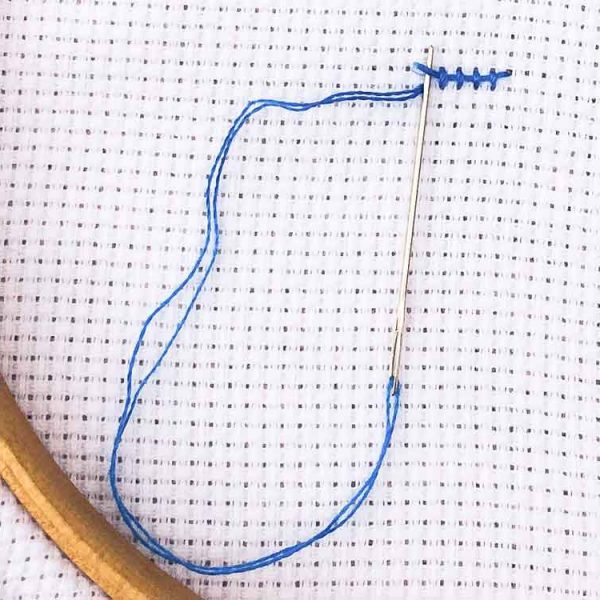
Cut a length of embroidery floss approximately 18 inches long. Separate the floss strands most embroidery floss is made up of six strands. For 14-count Aida, use two strands. Thread your needle with the two strands, bringing the two ends together and knotting them. This knot will anchor your thread to the back of the fabric.
Step 3
Consult your chosen pattern to identify the starting point. This is usually marked with an arrow or a highlighted square on the pattern chart. Locate the corresponding spot on your Aida cloth. It’s often helpful to start near the center of the design to ensure even placement.
Step 4
Bring your needle up from the back of the Aida cloth through the bottom left corner of the square you’ve identified as your starting point. Then, take the needle diagonally across the square and down through the upper right corner. This completes the first half of your cross stitch.
Step 5
Next, bring your needle up from the back of the fabric through the bottom right corner of the same square. Take the needle diagonally across the square and down through the upper left corner. This completes the ‘X,’ your first cross stitch! Ensure your stitches are uniform and the tension is consistent.
Step 6
Follow your pattern and continue stitching, completing each cross stitch in the indicated color and location. Work in rows or sections, depending on your preference and the complexity of the design. Pay close attention to the symbols on the pattern chart to ensure accurate color placement.
Step 7
When you run out of thread or need to change colors, secure the thread on the back of your work. To do this, weave the needle through several stitches on the back of the fabric, ensuring the thread is held securely in place. Then, trim the excess floss close to the fabric.
Step 8
Once you’ve completed all the cross stitches according to the pattern, remove the fabric from the hoop. Gently wash the finished piece in cool water with mild soap, if necessary. Iron the back of the fabric on a low setting to remove any wrinkles. Your cross stitch project is now complete! Consider framing it or using it in another creative project.
Isn’t it amazing how a simple ‘X’ can blossom into something so beautiful and intricate? This needlecraft is more than just a hobby; it’s an invitation to slow down, focus your mind, and create something truly unique. Whether you’re drawn to the vibrant colors, the satisfying rhythm of the stitches, or the joy of seeing your design come to life, cross stitch offers a wonderfully therapeutic and rewarding experience.
From personalized gifts to charming home dcor, the creative possibilities are endless. This art form connects us to a rich history of craftsmanship while empowering us to express our individuality. Each stitch reflects not only skill but also our unique vision and artistic touch.
So, why not give it a try? Grab your supplies, follow our guide, and discover the joy of “how to start cross stitch.” We’d absolutely love to see what you create! Share your finished projects with us online, or leave a comment below to tell us about your stitching journey. Your creations inspire us!
Happy stitching!
Images References :
Image used for illustration purposes only. All rights belong to their respective owners.


