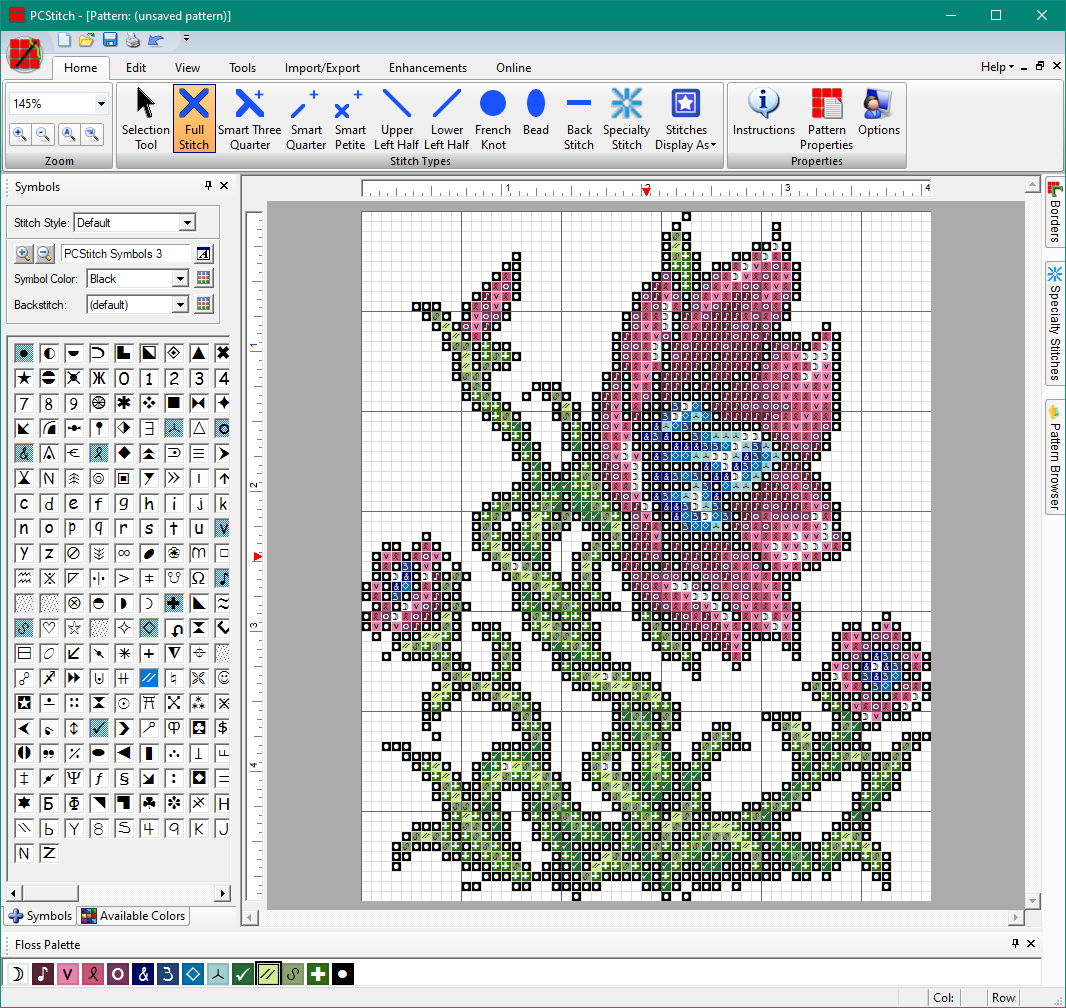
Imagine intricate designs blooming to life, thread by thread, upon a canvas of even-weave fabric. The rhythmic motion of the needle, the satisfying “x” that marks each perfectly placed stitch, slowly building a tapestry of color and texture. This is the captivating allure of transforming simple materials into personalized works of art, a journey that begins with a vision and culminates in a tangible expression of creativity.
For centuries, needlework has served as a powerful medium for storytelling, decoration, and personal expression across diverse cultures. From ancient samplers meticulously documenting family history to vibrant folk art brimming with symbolism, the practice of embellishing fabric with thread has consistently reflected societal values and artistic sensibilities. Each piece carries echoes of the past, connecting contemporary artisans to a rich heritage of craftsmanship and innovation.
This accessible and engaging pastime offers a unique blend of precision and artistic freedom, making it ideal for both novices and seasoned crafters. Its inherent adaptability means that anyone can embark on this fulfilling pursuit, regardless of skill level. Whether seeking a calming meditative activity or a stimulating creative outlet, the craft provides a welcoming space for personal growth and artistic exploration.
The landscape of this art form is ever-evolving, embracing both traditional motifs and modern aesthetics. From minimalist geometric patterns to elaborate floral arrangements, the styles are as diverse as the individuals who create them. Recent trends highlight the fusion of time-honored techniques with contemporary designs, reflecting a dynamic interplay between heritage and innovation.
Embarking on this creative path often starts with selecting the perfect blueprint. The following guide explores the world of digital tools designed to assist in this process, empowering individuals to transform their artistic visions into meticulously crafted realities. Prepare to unlock the potential for personalized design and unlock the door to limitless creative possibilities.
Design Personalization
The ability to infuse a cross stitch project with a personal touch transforms it from a simple craft into a cherished heirloom. Design Personalization, when paired with a pattern maker for cross stitch, unlocks a world of creative possibilities, enabling artisans to translate individual memories, passions, and artistic visions into tangible works of art.
-
Photo Conversion into Stitchable Charts
The option to convert photographs into cross stitch charts allows crafters to commemorate special moments, beloved pets, or striking landscapes. Sophisticated pattern makers utilize algorithms to analyze images, transforming them into detailed grids ready to be stitched. The outcome is a unique piece that captures the essence of the original photograph in the distinct medium of cross stitch.
-
Custom Text and Monogram Integration
Incorporating personalized text or monograms adds a layer of meaning to cross stitch designs. Pattern makers often provide a range of font styles and sizes, enabling users to seamlessly integrate names, dates, quotes, or initials into their projects. This customization elevates the design, making it a thoughtful and personalized gift or a treasured keepsake.
-
Color Palette Adjustments for Personal Preference
While many cross stitch patterns come with predetermined color palettes, the ability to adjust these palettes allows for unparalleled personalization. Pattern makers let users experiment with different thread colors, matching them to existing home decor, personal preferences, or specific project requirements. This level of control ensures the final piece harmonizes perfectly with its intended environment.
-
Combining Elements from Multiple Designs
Advanced pattern makers empower users to combine elements from various designs, creating truly unique and original pieces. A crafter might merge a floral border from one pattern with a central motif from another, adding custom text to create a one-of-a-kind design. This modular approach fosters innovation and enables the creation of complex and deeply personal cross stitch projects.
In essence, Design Personalization, facilitated by the versatility of a pattern maker for cross stitch, transforms the crafting experience. It allows for a deeper connection between the artisan and their creation, resulting in a project that is not only visually appealing but also imbued with personal significance. The ability to tailor every aspect of a design ensures that each cross stitch piece becomes a cherished reflection of individual creativity and heartfelt sentiment.
Grid Customization
The foundation of any successful cross stitch project lies in the grid the underlying structure upon which each stitch finds its place. Grid Customization, a cornerstone of pattern maker for cross stitch software, allows artisans to meticulously tailor this framework to suit their vision, ensuring accuracy, clarity, and optimal aesthetic impact.
-
Adjustable Stitch Count for Design Scale
The ability to modify the stitch count directly impacts the size and level of detail in a finished cross stitch piece. A higher stitch count allows for finer gradations of color and more intricate designs, while a lower count simplifies the pattern, making it ideal for beginners or larger, more graphic motifs. Pattern maker for cross stitch programs offer precise control over the stitch count, enabling crafters to achieve the desired dimensions and level of complexity.
-
Variable Grid Size for Different Fabric Counts
Cross stitch fabric comes in various counts, referring to the number of stitches per inch. Pattern maker for cross stitch software allows users to specify the fabric count, automatically adjusting the grid size to match. This ensures that the design is properly proportioned and that the finished piece will match the intended dimensions. Compatibility across different fabric counts is crucial for adaptability and project success.
-
Highlighting and Sectioning for Clarity
Complex cross stitch patterns can be overwhelming to follow. Pattern maker for cross stitch tools often include features for highlighting specific sections of the grid or dividing the design into manageable blocks. This visual organization simplifies the stitching process, reducing errors and enhancing clarity, particularly for intricate designs with numerous color changes.
-
Customizable Grid Lines for Enhanced Navigation
The appearance of the grid itself can be customized to suit individual preferences. Pattern maker for cross stitch tools typically allow users to adjust the color, thickness, and spacing of the grid lines. These subtle adjustments can significantly improve visual comfort and ease navigation, especially during long stitching sessions. Clear and well-defined grid lines contribute to a smoother, more enjoyable crafting experience.
In essence, Grid Customization within a pattern maker for cross stitch empowers artisans to fine-tune the underlying structure of their projects, ensuring accuracy, clarity, and optimal visual impact. From adjusting the stitch count to customizing the grid lines, these features contribute to a smoother, more enjoyable, and ultimately more successful cross stitch experience. The ability to tailor the grid to specific design requirements and personal preferences is an invaluable asset for any cross stitch enthusiast.
Thread Palette
At the heart of every vibrant cross stitch creation lies a meticulously curated thread palette, a symphony of colors that breathes life into the design. When paired with a pattern maker for cross stitch, the thread palette becomes an instrument of extraordinary precision and artistic expression, allowing the artisan to translate imagination into a tangible tapestry of hues.
-
DMC and Anchor Color Code Compatibility
A crucial feature in any robust pattern maker is its ability to seamlessly translate designs into globally recognized thread standards like DMC and Anchor. This ensures that the artisan can readily source the exact shades specified in the pattern, eliminating guesswork and guaranteeing color accuracy. The software automatically maps colors, reducing errors and streamlining the stitching process.
-
Custom Color Selection and Blending Capabilities
For those seeking to push the boundaries of creativity, pattern makers often provide tools for custom color selection. Users can select specific RGB or hexadecimal color codes to match unique or discontinued threads, expanding the palette beyond standard offerings. Blending capabilities further enhance the artistic range, allowing for the creation of subtle gradients and nuanced color effects through the combination of multiple thread strands.
-
Color Symbol Mapping for Ease of Use
To simplify the stitching process, pattern makers intelligently assign unique symbols to each color in the thread palette. This symbolic representation is then integrated into the design chart, enabling the artisan to easily differentiate between colors, even in complex patterns. Clear and intuitive symbol mapping reduces eye strain and the likelihood of errors, facilitating a smoother and more enjoyable crafting experience.
-
Virtual Thread Inventory Management
Advanced pattern makers offer features for managing a virtual thread inventory. This allows artisans to track the colors they own, preventing duplicate purchases and facilitating efficient project planning. By maintaining a digital record of their thread collection, crafters can readily assess color availability and make informed decisions about their next cross stitch endeavors.
From ensuring accurate color matching with established thread brands to empowering custom color creation and efficient inventory management, the thread palette functionality within a pattern maker for cross stitch is integral to the creative process. It bridges the gap between artistic vision and tangible reality, providing the artisan with the tools to transform a simple idea into a stunning work of needlework art. This integration elevates the entire cross stitch experience, making it more precise, more personalized, and ultimately, more rewarding.
What Youll Need
- A Computer or Tablet: This is your digital design hub! You’ll need a device compatible with your chosen pattern maker for cross stitch software or online tool. Most modern computers and tablets will work just fine.
- Pattern Maker for Cross Stitch Software or Online Tool: This is where the magic happens. Explore various options (free or paid) based on your needs and skill level. Popular choices offer user-friendly interfaces and robust features.
- Printer (Optional): While many prefer working directly from the screen, printing your pattern provides a tangible reference. A color printer can be helpful but isn’t essential, as you can use symbols for color differentiation.
- Aida Cloth or Evenweave Fabric: This is the canvas for your cross-stitch masterpiece. Aida cloth is a popular choice for beginners due to its clearly defined squares. Evenweave offers a smoother texture for more advanced designs. Choose a fabric count (stitches per inch) appropriate for your pattern.
- Embroidery Floss (Thread): Available in a rainbow of colors, embroidery floss is the lifeblood of cross stitch. Your pattern will specify the DMC or Anchor color codes needed. Consider buying a thread organizer to keep your floss tangle-free.
- Embroidery Needle: A blunt-tipped needle with a large eye is ideal for cross stitch. This prevents snagging the fabric and makes threading easier. Needle size should correspond to the fabric count (smaller needles for higher counts).
- Embroidery Hoop or Frame (Optional): An embroidery hoop or frame keeps your fabric taut, making stitching easier and preventing distortion. Choose a size that comfortably accommodates your design.
- Scissors: Small, sharp scissors are essential for trimming threads neatly. Embroidery scissors are ideal, but any sharp scissors will do.
- Good Lighting: Adequate lighting is crucial for preventing eye strain and ensuring accurate stitching. A bright lamp or natural light source is recommended.
Preparation Tips
Prepare Your Fabric: Before you begin stitching, it’s a good idea to pre-wash your fabric to prevent shrinking later. Iron it smooth to remove any creases or wrinkles. If using an embroidery hoop, center the fabric and tighten the hoop until the fabric is taut but not stretched.
Organize Your Threads: Separate your embroidery floss by color code and store them in a thread organizer or on floss bobbins. Label each color clearly to avoid confusion during stitching. Cutting floss into manageable lengths (18-24 inches) will prevent tangling.
Set Up Your Workspace: Choose a comfortable and well-lit workspace. Position your pattern within easy reach, either printed or displayed on your screen. Ensure you have all your materials readily available to minimize interruptions.
Take Breaks: Cross stitch can be a time-consuming hobby, so remember to take regular breaks to stretch your hands and eyes. This will prevent fatigue and maintain accuracy. Proper posture and good lighting will also contribute to a more comfortable stitching experience.
Step-by-Step Instructions
Step 1
Select a pattern maker for cross stitch. Many free online tools are available for simple designs. For more advanced features, consider a paid software option. Ensure it supports importing images or creating basic shapes.
Step 2
Open your chosen pattern maker for cross stitch. Create a new project and set the grid size. For a small heart, a grid of 20×20 or 30×30 stitches is a good starting point. Adjust the fabric count setting to match the Aida cloth you’ll be using (e.g., 14-count Aida).
Step 3
Most pattern makers provide basic shape tools. Use the drawing tools or “fill” option to create a heart shape within the grid. You can use a simple outline or fill the entire heart with a single color. Experiment with different shapes and sizes until you achieve your desired heart design.
Step 4
Choose your thread color(s). A classic red or pink is perfect for a heart, but feel free to get creative! Note the DMC or Anchor color code for each color you select. Your pattern maker should allow you to assign these color codes to the stitches in your heart design.
Step 5
If you prefer working from a printed pattern, print the design from your pattern maker. Make sure the symbols or color codes are clearly visible. Alternatively, save the pattern as a PDF or image file for viewing on your computer or tablet. If you dont want to print, follow the pattern straight from your screen.
Step 6
Cut a piece of Aida cloth slightly larger than your intended finished design (e.g., 6×6 inches for a 20×20 stitch heart on 14-count Aida). Thread your needle with embroidery floss in your chosen color, separating the floss into two or three strands for a neater appearance.
Step 7
Find the center of your Aida cloth and the center of your heart pattern. Begin stitching, following the pattern to create each “X” stitch. Ensure each stitch crosses in the same direction (e.g., bottom left to top right, then bottom right to top left) for a consistent look.
Step 8
Continue stitching, carefully following the pattern to fill in the heart design. Keep a close eye on the color codes or symbols on your pattern to ensure you’re using the correct thread color in each location. Ensure you’re creating a neat and proper cross with each stitch.
Step 9
Once you’ve completed the heart design, tie off the thread on the back of the fabric to secure it. Trim any excess floss. You can then frame your finished cross stitch heart in a hoop, mat, or frame of your choice. Alternatively, leave it unframed for a more rustic look.
Creating your own cross stitch patterns with a pattern maker can be incredibly rewarding. It lets you personalize your projects, explore your creativity, and bring your unique vision to life. From simple hearts to intricate designs, the possibilities are endless, and the satisfaction of stitching something you designed yourself is truly special.
Cross stitch isn’t just a craft; it’s a connection to generations of artisans who have expressed themselves through needle and thread. By embracing digital tools like pattern makers, you’re not only simplifying the process but also expanding the boundaries of what’s possible, blending tradition with innovation.
So, why not give it a try? Experiment with different designs, color palettes, and grid customizations. We’d absolutely love to see what you create! Share your finished projects with us or leave a comment with your thoughts and experiences. Your inspiration could spark creativity in someone else.
Happy stitching!
Images References :
Image used for illustration purposes only. All rights belong to their respective owners.


