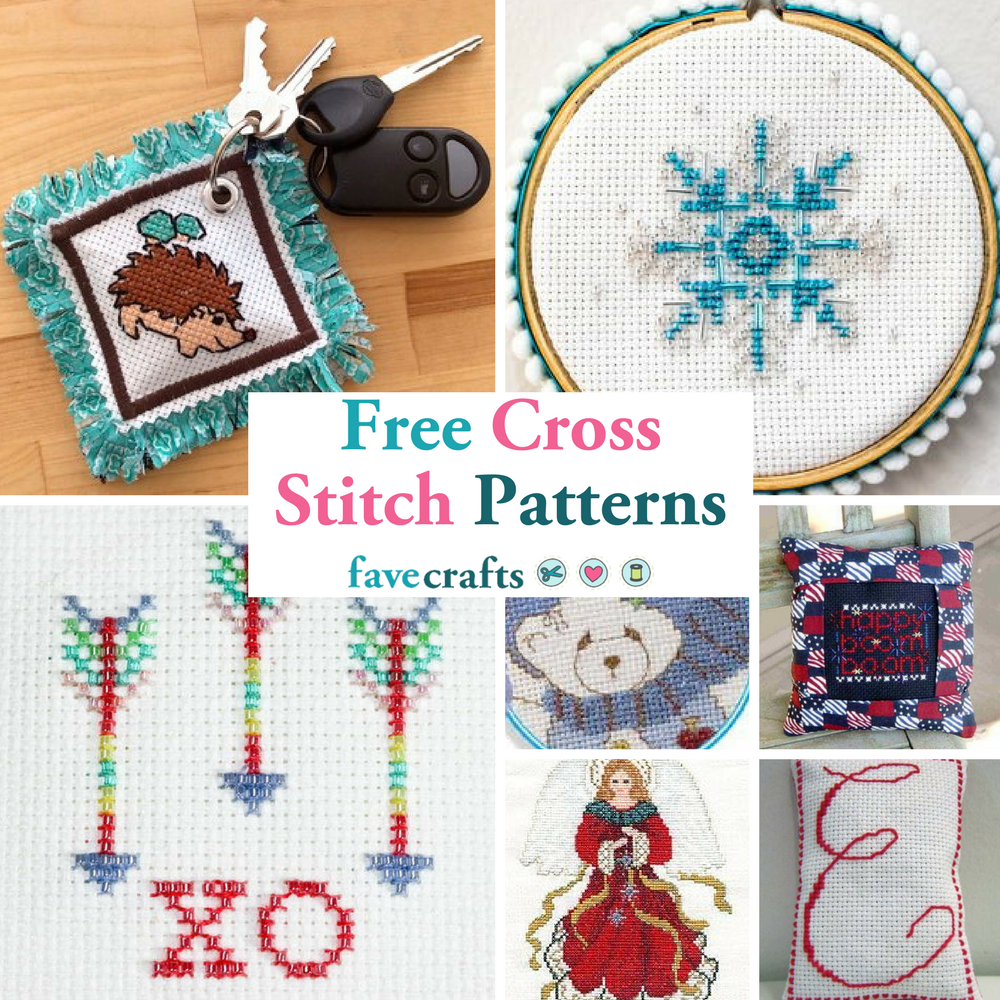
Imagine transforming simple squares into vibrant tapestries, pixel by pixel. Each stitch carefully placed, bringing forth scenes of breathtaking landscapes, whimsical characters, or personalized monograms. The rhythmic motion of the needle, the subtle click as it passes through the fabric, creates a meditative experience, a moment of calm amidst the bustling world. The finished work, a testament to patience and artistry, offers a unique satisfaction unlike any other craft.
From the elaborate samplers of centuries past, meticulously documenting family histories and moral virtues, to contemporary designs pushing the boundaries of color and form, the art of needlework has woven itself into the fabric of countless cultures. Ancient techniques, passed down through generations, have evolved and adapted, embracing new materials and innovative approaches while retaining the core principles of precision and artistry. It stands as a legacy of dedication and beautiful craftsmanship.
The beauty of this art lies in its accessibility. Whether a complete novice or a seasoned artisan, the fundamental techniques are easily grasped, and the materials required are readily available. It allows for infinite creativity, permitting the maker to express their individual style through color palettes, intricate details, and personalized touches. Its inherent grid-based structure provides a framework for order and precision, making it both relaxing and rewarding.
Traditional floral motifs and alphabet samplers have given way to intricate portraits, modern geometric designs, and even humorous pop culture references. The craft has embraced a digital age, with online communities sharing patterns, techniques, and inspiration. From miniature pendants to large-scale wall hangings, the possibilities are endless, limited only by imagination and the desire to create something unique and beautiful.
Embarking on the journey of creating personalized needlework is an adventure in itself. Understanding the fundamental process that transforms a blank canvas into a captivating image empowers the creative spirit. Let’s explore the steps involved in creating a personalized design, unlocking the potential to transform images, ideas, and inspirations into tangible, stitched masterpieces.
Image selection
The journey toward a captivating counted cross stitch piece begins with thoughtful image selection. It is the foundation upon which the entire project rests, shaping the aesthetic, complexity, and ultimately, the stitcher’s satisfaction. A carefully chosen image streamlines the conversion process, resulting in a pattern that is both visually appealing and enjoyable to create.
-
Complexity and Detail
The level of detail within the image directly impacts the intricacy of the pattern. Simple, uncluttered images translate into patterns with fewer color changes and larger blocks of uniform stitching, making them ideal for beginners. Conversely, highly detailed images, such as portraits or intricate landscapes, necessitate a greater number of colors and stitches, requiring more time and skill. The selected image should align with the stitcher’s experience and desired level of challenge.
-
Color Palette Considerations
The range of colors in the chosen image is a critical factor. Images with subtle gradations and numerous hues will require a wider selection of floss colors to accurately represent the original artwork. This impacts the cost of the project and the complexity of the pattern. Simplifying the color palette during the pattern creation process may be necessary, and an understanding of color theory becomes invaluable in preserving the essence of the image while reducing the number of necessary floss colors.
-
Copyright and Permissions
It is essential to consider copyright and permissions when selecting an image. Using copyrighted images without permission is illegal and unethical. Public domain images, personal photographs, or artwork with appropriate licenses are safe options. Respecting intellectual property rights ensures that the creative process remains ethical and avoids potential legal issues.
-
Image Resolution and Quality
The resolution and quality of the selected image significantly impact the final pattern. A high-resolution image allows for greater detail to be captured during the gridding process, resulting in a more accurate and visually appealing pattern. Low-resolution images can lead to pixelation and distortion, making it difficult to create a clear and precise pattern. Selecting the highest quality image available is crucial for achieving a professional and satisfying outcome.
In essence, image selection sets the stage for the entire “how to make a counted cross stitch pattern” process. By carefully considering the complexity, color palette, copyright implications, and image quality, the designer ensures a smoother, more ethical, and ultimately more rewarding creative experience, leading to a cross stitch piece that is both beautiful and personally meaningful.
Grid conversion
Grid conversion stands as a pivotal process, inextricably linked to transforming any image into a workable counted cross stitch pattern. It’s the bridge that connects the fluidity of an initial picture, sketch, or idea to the structured world of Aida cloth and precisely placed stitches. Without this conversion, creating a cross stitch pattern from an image would be akin to building a house without a blueprint. The pattern would lack structure and would not allow its creation with the precision that counted cross stitch is famous for.
The essence of grid conversion lies in overlaying a grid onto the chosen image, mimicking the weave of cross stitch fabric. Each square within this grid corresponds to a single cross stitch. The color within each square dictates the floss color to be used in that location. Software can automate the conversion. These programs analyze the image and generate a chart indicating the color and symbol placement for each stitch. However, manual conversion offers greater control over the final product, allowing the designer to simplify complex color blends or emphasize key details. For instance, a photograph of a sunset may require reducing the number of similar orange and red shades to simplify the pattern without losing the beauty of the sunset. A clear, well-defined grid is essential. If the grid is blurry, it can lead to unclear or incorrect stitch placement.
Successfully understanding grid conversion elevates the final cross stitch outcome. By mastering this essential step, from either using software or manual method, any crafter will have the knowledge to generate beautiful art. Grid conversion presents initial challenges such as managing intricate details and dealing with blended colors, but it provides endless possibilities. Grid conversion unlocks the potential to translate cherished photographs, artistic visions, and personal mementos into unique, handmade masterpieces, transforming an ordinary image into art.
Color Palette
Within the realm of transforming images into counted cross stitch artistry, the color palette serves as the vibrant soul, breathing life and depth into the design. It dictates the emotional resonance of the final piece and directly impacts its visual fidelity to the original inspiration. Selecting the appropriate colors is not merely a technical step; it is an act of artistic interpretation.
-
Accurate Representation
The primary goal of a carefully chosen color palette is to accurately represent the tones and hues of the original image. This necessitates selecting floss colors that closely match those present in the source material. Consider the subtle variations within shadows and highlights, as well as the interplay of colors within complex patterns. A well-balanced color palette captures the essence of the original image, bringing it to life on the fabric.
-
Emotional Impact
Colors evoke emotions, and a thoughtful color palette can significantly impact the overall feeling of a cross stitch project. Warm colors, such as reds and oranges, can create a sense of energy and excitement, while cool colors, like blues and greens, can evoke feelings of tranquility and peace. Understanding color theory and its psychological effects allows the designer to create a piece that not only looks beautiful but also resonates emotionally with the viewer.
-
Floss Availability and Limitations
While striving for accurate representation, practical limitations must be considered. The availability of floss colors is finite, and it may not always be possible to find an exact match for every hue in the original image. In such cases, the designer must make informed decisions about which colors to prioritize and which to simplify. Blending floss colors is another strategy for achieving subtle variations and expanding the palette’s range.
-
Pattern Clarity and Readability
The color palette directly impacts the clarity and readability of the cross stitch pattern. Assigning distinct and easily distinguishable symbols to each color is crucial for preventing confusion and errors during stitching. Avoid using colors that are too similar, as this can make it difficult to differentiate between them on the pattern chart. A well-organized and visually clear color palette enhances the stitching experience and ensures a more accurate and enjoyable outcome.
In essence, the selection and management of the color palette form the heart of “how to make a counted cross stitch pattern”. By carefully considering the representation, emotional impact, practical limitations, and pattern clarity, the designer can craft a piece that is not only visually stunning but also a joy to create. The colors become the language through which the image speaks, transforming a simple piece of fabric into a work of art.
Symbol assignment
Within the intricate tapestry of crafting a counted cross stitch design, symbol assignment emerges as the Rosetta Stone, translating the language of color into a universally understandable visual code. It is the key to unlocking the pattern’s potential, transforming a collection of colored squares into a clear, navigable map for the stitcher’s needle. Without a well-defined system of symbols, the pattern becomes a confusing jumble, prone to errors and frustration. With it, the design springs to life.
-
Clarity and Unambiguity
The paramount goal of symbol assignment is clarity. Each distinct floss color within the palette must be represented by a unique and easily distinguishable symbol on the pattern chart. The symbols should be simple, avoiding overly complex designs that can be difficult to differentiate at a glance. Furthermore, the chosen symbols should avoid resemblance to each other. Using ‘O’ and ‘Q’ can easily cause mistakes due to their similarity. A clear symbol system minimizes the risk of misinterpreting the pattern, ensuring a smooth and accurate stitching process.
-
Accessibility for All Stitchers
An effective symbol system transcends language barriers and varying levels of experience. Regardless of whether a stitcher is fluent in English, French, or Japanese, the symbols must be universally recognizable. This often involves using a combination of letters, numbers, and geometric shapes to represent different colors. Furthermore, the symbols should be large and clearly printed on the pattern chart, making them easy to read even for those with visual impairments. A well-designed symbol system promotes inclusivity and makes the craft accessible to a wider audience.
-
Organization and Efficiency
A thoughtful symbol assignment system enhances the overall organization and efficiency of the pattern. Grouping similar colors together, using related symbols can help the stitcher to intuitively navigate the chart. For example, using variations of the letter ‘B’ to represent different shades of blue. Color key in a prominent location for easy reference. Proper planning of the symbols increases the speed and accuracy of the project.
-
Digital and Print Considerations
Symbol assignment must consider both digital and print formats. When creating patterns for distribution, it’s essential to choose symbols that translate well to both screen and paper. Avoid using colors that are difficult to distinguish when printed in black and white, as many stitchers may choose to print the pattern for ease of use. The symbols should also be compatible with various pattern-making software programs, ensuring that the pattern can be easily opened and edited by others. Paying attention to these considerations ensures that the pattern remains accessible and usable across various platforms and devices.
By meticulously assigning symbols, the pattern-maker transforms a collection of colored squares into a roadmap for creative expression. The symbols become the silent language of the design, guiding the stitcher’s needle with precision and clarity. The culmination of these elements will translate into usable cross stitch art, providing the necessary tool that enables everyone to interpret the image with a needle and thread.
What Youll Need
- Computer or Tablet: A device to view, edit, or create your pattern. This is where your image and pattern-making software will live.
- Pattern-Making Software/App or Graph Paper: Software streamlines the process, but graph paper offers a hands-on approach. Examples of software programs are Stitch Fiddle, PCStitch, or free online pattern makers.
- Image Editing Software (Optional): Programs like GIMP (free) or Photoshop allow for basic image adjustments before creating the pattern.
- Printer (Optional): To print out the final pattern for easier reference while stitching.
- Aida Cloth or Evenweave Fabric: This is the foundation for your design, the fabric you’ll be stitching on. Choose a count appropriate for your design (14-count Aida is a good starting point).
- Embroidery Floss: The thread you’ll use to create the cross stitches. DMC and Anchor are popular brands, offering a wide range of colors.
- Embroidery Needle: A blunt-tipped needle with a large eye to accommodate the embroidery floss. Size 24 or 26 needles are common for cross stitch.
- Embroidery Scissors: Small, sharp scissors for trimming floss ends.
- Embroidery Hoop or Frame (Optional): To keep the fabric taut while stitching, preventing puckering.
- Good Lighting: Essential for seeing the pattern and stitches clearly, preventing eye strain.
- Magnifying Glass (Optional): Useful for intricate designs or if you have difficulty seeing small details.
Preparation Tips
Fabric Preparation: Before you start, consider washing and ironing your Aida cloth to prevent shrinkage or wrinkles after the project is complete. Edges can be serged, taped with masking tape, or zigzag stitched to prevent fraying during the stitching process. This ensures that your work remains clean and easy to handle.
Thread Organization: To keep your embroidery floss organized, consider using a thread organizer or bobbins. Label each bobbin with the corresponding floss number to avoid confusion. This small step can save a lot of time and frustration later on.
Workspace Setup: Create a comfortable and well-lit workspace. Ensure that your chair provides good back support and that you have ample space to spread out your materials. This makes the process more enjoyable and less tiring.
Digital Pattern Management: If using a digital pattern, organize your files in a way that makes sense to you. Consider creating folders for different projects or categorizing patterns by theme or complexity. If using a tablet, ensure that the screen is large enough to view the pattern comfortably and that the brightness is adjusted to reduce eye strain.
Step-by-Step Instructions
Step 1
Choose a clear, uncluttered image with a limited number of colors. Simple geometric shapes, a basic silhouette, or a small piece of clip art are excellent choices for beginners. Avoid images with gradients or fine details initially, as these will increase the complexity of the pattern creation process. Save the image in a common format such as JPG or PNG.
Step 2
Decide if you’ll use pattern-making software or graph paper. Software offers convenience and precision, while graph paper allows for a more hands-on, tactile approach. For this example, let’s assume you’re using graph paper. Gather a sheet of graph paper, a pencil, and colored pencils or markers that correspond to the colors in your image.
Step 3
Decide on the final size of your cross stitch pattern. This will determine how many squares on the graph paper will represent each stitch. A smaller size will result in a more detailed pattern, while a larger size will be simpler to stitch. For a small, beginner-friendly project, a 20×20 square grid is a good starting point.
Step 4
Imagine overlaying a grid onto your selected image. Each square in the grid will correspond to one square on your graph paper. Mentally, or using image editing software, divide your image into these squares. Observe the dominant color within each square.
Step 5
Carefully transfer the colors from your gridded image onto the graph paper. For each square on the graph paper, use the corresponding colored pencil or marker to fill it in with the dominant color from that square in your image. This creates a pixelated representation of your image.
Step 6
To make your pattern easier to read, assign a unique symbol to each color. Create a key that lists each color and its corresponding symbol. Write the symbol in the appropriate squares of your graph paper pattern. This is especially helpful if your pattern uses similar colors.
Step 7
On a separate piece of paper, create a color key. This key will list each symbol used in your pattern along with the corresponding DMC or Anchor floss number. This will help you select the correct floss colors when you’re ready to stitch. Leave space to attach a small piece of the actual floss next to each color number.
Step 8
Carefully review your completed pattern, comparing it to your original image. Ensure that the colors are accurately transferred and that the symbols are clear and consistent. Correct any errors before you begin stitching.
Step 9
Collect your Aida cloth, embroidery floss in the colors listed in your color key, embroidery needle, scissors, and, if desired, an embroidery hoop. Prepare your workspace in a well-lit area.
Step 10
Following your pattern, begin stitching your design onto the Aida cloth. Use the color key to select the correct floss color for each stitch. Enjoy the process of bringing your handmade pattern to life! Start in the center and work your way out
Embarking on your journey “how to make a counted cross stitch pattern” opens a world of creative possibilities, transforming simple squares into personalized works of art. Its a relaxing and rewarding craft, perfect for unwinding after a long day or adding a unique, handmade touch to your home decor. The process is straightforward, and the results can be truly stunning, reflecting your individual style and artistic flair.
The beauty of creating your own patterns lies in its limitless potential for self-expression. You can immortalize cherished memories, bring your favorite characters to life, or design unique gifts for loved ones. It is more than just stitching; it’s a way to connect with a rich cultural tradition and express your creativity in a tangible and lasting form.
Now that you know how to make a counted cross stitch pattern, why not give it a try? We’d love to see what you create! Share your photos and experiences in the comments below. Whether you’re a seasoned stitcher or a complete beginner, your journey into pattern-making is bound to be filled with joy and inspiration.
Happy stitching!
Images References :
Image used for illustration purposes only. All rights belong to their respective owners.



