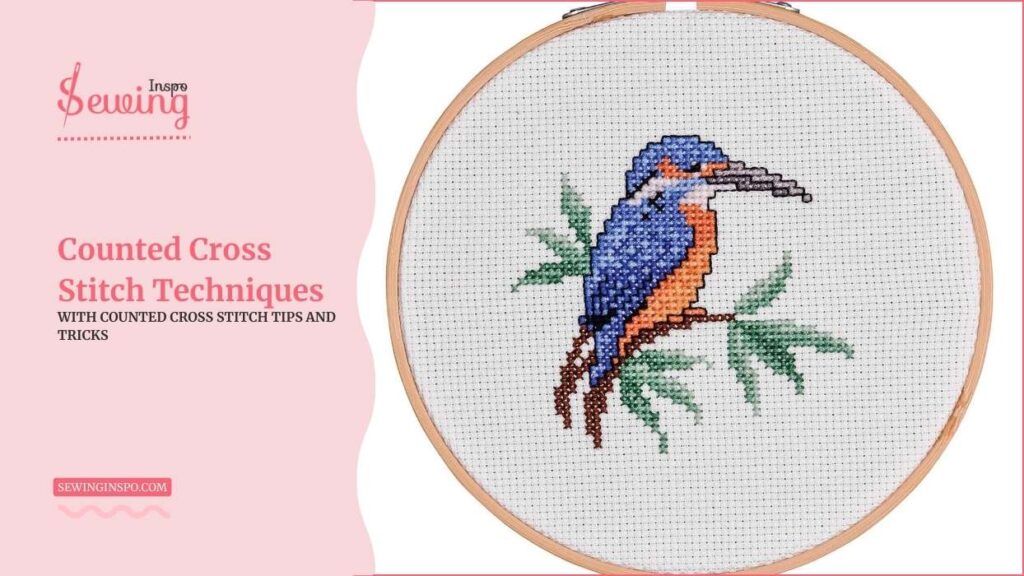
Imagine a canvas blossoming under careful hands, each tiny ‘x’ a deliberate stroke in a growing masterpiece. The careful arrangement of colorful threads brings forth captivating images, from delicate floral motifs to intricate landscapes. This art form, born from patience and precision, allows crafters to transform simple fabric into enduring works of art, one stitch at a time. The resulting textures and vibrant hues offer a tactile and visual delight that is both personally rewarding and aesthetically pleasing.
The practice boasts a rich heritage, with examples tracing back centuries across numerous cultures. From the samplers of young women in bygone eras to the folk art traditions of various nations, the method has served as a means of storytelling, decoration, and personal expression. Each piece holds a connection to the past, a tangible link to the artisans who meticulously crafted their visions onto cloth throughout history. The legacy continues to inspire contemporary artists.
One of the many appeals of this art lies in its accessibility. Requiring only a few basic supplies fabric, thread, needle, and a pattern anyone can embark on this fulfilling creative journey. From simple beginner projects to elaborate, multi-colored designs, there’s a project to suit every skill level and time commitment. The portability and relatively low cost make it an ideal pastime for moments of quiet contemplation or a more ambitious artistic endeavor.
While the underlying technique remains consistent, the art form continuously evolves, embracing modern trends and styles. Crafters can explore diverse aesthetics, from traditional samplers to contemporary geometric patterns, whimsical characters, and personalized monograms. Innovations in thread types, fabric choices, and pattern design ensure the art remains vibrant and relevant in an ever-changing world.
With an understanding of the fundamental principle, one can begin to unlock the potential of this engaging craft. The following guide will delve into the specific techniques, materials, and tips needed to embark on your own creative stitching adventure, allowing you to transform simple materials into stunning works of art.
Precise Stitch Placement
At the heart of the art form lies the principle of precise stitch placement. Every ‘x’ must be placed with intention, adhering strictly to the charted design. This is not merely a suggestion but rather the foundational rule that distinguishes the art from other embroidery techniques. Without this adherence, the intended image will become distorted, losing its clarity and definition. Picture a field of wildflowers: one errant stitch can throw off the balance, obscuring the delicate beauty of the arrangement. The accuracy of each stitch is thus paramount, transforming the technique from a simple craft into a deliberate art form.
The practical implications of precise stitch placement extend beyond aesthetics. Correct placement ensures that the thread count is maintained, preventing the fabric from becoming warped or distorted over time. In a larger project, cumulative errors in stitch placement can lead to significant discrepancies in the finished piece, potentially requiring extensive rework or rendering the design unrecognizable. Consider the creation of a family heirloom: the care and precision invested in each stitch ensure that the piece will retain its integrity and visual appeal for generations to come.
Ultimately, mastering precise stitch placement is about understanding that each individual stitch contributes to the greater whole. Though seemingly insignificant on its own, the careful execution of each ‘x’ is crucial to realizing the full potential of the design. By embracing this core principle, practitioners can unlock a world of creative possibilities, transforming simple materials into intricate and enduring works of art. The understanding of this importance will guide the hand and elevate the craft.
Grid Guided Design
The art is inextricably linked to its reliance on a grid system. This framework transforms the initial artistic vision into a meticulously planned execution, guiding every needle movement and thread placement. It provides structure and clarity, allowing even complex designs to be rendered with precision and consistency. The grid is the roadmap, and the stitches are the journey, together building a cohesive and visually stunning creation.
-
Charts as Blueprints
The chart serves as the blueprint for each design. It is a visual representation of the finished piece, broken down into individual squares that correspond to the fabric’s weave. Each square contains a symbol representing a specific color of thread. Reading the chart is akin to following a musical score; each symbol directs the crafter to create a specific stitch in a precise location. Without the chart, the design would be a chaotic jumble of colors, lacking the structure and clarity that defines the art.
-
Aida Fabric as the Foundation
Aida cloth is a type of even-weave fabric specifically designed for cross-stitch. Its distinct, well-defined squares create the perfect grid upon which designs are built. The consistent spacing allows for uniform stitch size and placement, ensuring that the finished piece has a clean, professional appearance. Different Aida counts (stitches per inch) allow for variations in the scale of the finished design; a higher count results in a smaller, more detailed image, while a lower count creates a larger, bolder effect. The Aida fabric is not merely a surface; it is an integral part of the system.
-
Mathematical Precision in Art
Although the results appear artistic and free-flowing, the design relies on mathematical precision. Each stitch must be carefully aligned with the grid to maintain the integrity of the image. The crafter counts the squares meticulously to ensure accurate placement, transforming what appears to be an intuitive process into a surprisingly structured exercise. This precision is not limiting but empowering; it allows the artist to execute complex designs with confidence, knowing that each stitch is contributing to a cohesive and visually pleasing whole.
-
Adaptability to Different Styles
The grid system is not confined to traditional patterns. It is flexible enough to accommodate a wide range of styles, from realistic portraits to abstract geometric designs. The underlying structure provides a framework for experimentation, allowing artists to push the boundaries of the art form while maintaining a level of precision and control. The grid remains a constant, but the possibilities for creativity are limitless.
This reliance on a grid system is fundamental to the very nature of the art form. It is this framework that allows for the translation of complex designs into tangible works of art. From the initial design concept to the final stitch, the grid guides the process, ensuring accuracy, consistency, and ultimately, a beautiful and enduring creation. This is the essence of the art.
Thread Creates Image
The essence of the craft lies in the transformative power of thread. Individual stitches, seemingly insignificant on their own, coalesce to form vibrant and intricate images. This “Thread Creates Image” principle is not merely a descriptive phrase; it is the very heart of the art. The careful selection of thread colors, combined with meticulous stitch placement, allows artisans to paint with thread, translating abstract ideas and visual concepts onto fabric. The effect is similar to pointillism, where distinct dots of color blend to create a cohesive and visually appealing whole. Without the thread, there is no image; without the image, there is no art.
Consider the creation of a detailed landscape. A range of greens, browns, and blues are carefully selected to represent foliage, earth, and sky. Each tiny ‘x’ becomes a brushstroke, building depth, texture, and dimension. Or, picture a delicate floral motif, where subtle shades of pink, purple, and yellow intertwine to capture the essence of petals and leaves. The selection and arrangement of thread colors are pivotal to evoking the desired emotions and creating a visually compelling piece. It’s the thread that breathes life into the design, transforming a blank canvas into a work of art.
Understanding this fundamental connection between thread and image is crucial for aspiring and experienced practitioners alike. Recognizing how color choices and stitch placement impact the final outcome allows for greater creative control and artistic expression. It encourages a more thoughtful approach to pattern selection and execution, transforming the crafting process from a simple task into a mindful artistic endeavor. The mastery of this principle unlocks the full potential of the craft, empowering individuals to create personalized and meaningful works of art with thread.
What Youll Need
- Aida Cloth: This is your gridded canvas! Look for different “counts” (like 14-count or 16-count), which determine the size of your stitches and the overall finished piece. A higher count means smaller stitches.
- Embroidery Floss: Stranded cotton floss is the most common choice. It comes in a rainbow of colors! You’ll usually use 2 strands at a time for 14-count Aida.
- Embroidery Needle: A blunt-tipped needle with a large eye makes it easier to thread and prevents splitting the Aida cloth fibers. Size 24 or 26 are popular choices.
- Embroidery Hoop or Frame: This keeps your fabric taut while you stitch, preventing wrinkles and distortion. Hoops are more common for smaller projects, while frames are great for larger ones.
- Scissors: Small, sharp embroidery scissors are essential for trimming floss neatly.
- Pattern: This is your roadmap! Patterns usually come as printed charts with symbols representing different colors. You can also find patterns online.
- Optional: Thread Organizer: Floss bobbins or organizers help keep your threads neat and prevent tangling.
- Optional: Light: Good lighting is key to seeing the Aida cloth clearly and preventing eye strain. A daylight lamp can be helpful.
Preparation Tips
Before you begin, gently wash and iron your Aida cloth to remove any wrinkles or sizing. Find the center of your fabric by folding it in half lengthwise and then widthwise; the intersection is the center point. Many patterns start from the center, making it easy to get started. To prevent fraying, you can serge the edges of your Aida cloth, use masking tape, or apply a fray-stopping solution.
Sort your embroidery floss according to the pattern’s color key. Wind each color onto a separate bobbin or place it in a dedicated compartment to avoid confusion. Proper lighting is essential to reduce eye strain and see the grid clearly. Position your work area in a well-lit space, or use a dedicated craft lamp. Take breaks to stretch and rest your eyes. Good posture is important for long stitching sessions. Sit in a comfortable chair with good back support.
Step-by-Step Instructions
Step 1
Begin by gently washing and ironing your Aida cloth. This removes any sizing or wrinkles, providing a smooth surface for stitching. To prevent fraying, secure the edges with masking tape, a zigzag stitch on a sewing machine, or a fray-stopping solution. Finding the center of your fabric is a crucial next step, as most patterns begin there. Fold the fabric in half lengthwise, then widthwise, and lightly crease the folds to mark the center point.
Step 2
Secure your Aida cloth in an embroidery hoop or frame. The fabric should be taut, but not stretched, resembling the surface of a drum. This tension ensures even stitch placement and prevents distortion. If using a hoop, loosen the outer ring, place the fabric over the inner ring, and then firmly press the outer ring back into place, tightening the screw until the fabric is secure.
Step 3
Cut a length of embroidery floss approximately 18 inches long. Separate two strands of floss from the full six strands. This is a common practice for 14-count Aida cloth, but your pattern may specify a different number of strands. Thread the two strands through the eye of your embroidery needle. To prevent the floss from slipping out, create a small loop at the end and gently pull it down towards the eye of the needle, securing the thread.
Step 4
Locate the center point on your pattern chart. This is typically marked with a special symbol. Find the corresponding square on your Aida cloth. From the back of the fabric, bring your needle up through the lower left corner of the square. Leave a small “tail” of floss (about an inch) on the back. This tail will be secured under your subsequent stitches, eliminating the need for a knot.
Step 5
Bring the needle down through the upper right corner of the same square, creating a diagonal stitch. This completes the first half of the cross stitch. Keep the tension even; the stitch should be snug but not too tight, which can distort the fabric. Ensure the back of your work remains relatively neat, with threads running primarily in vertical or horizontal directions.
Step 6
Bring the needle up through the lower right corner of the same square. Then, bring the needle down through the upper left corner, completing the ‘x’ shape. This finalizes the first cross stitch. For consistent appearance, ensure that all your top stitches (the final diagonal) are oriented in the same direction throughout the project (e.g., from lower right to upper left).
Step 7
As you create subsequent stitches, ensure that you are stitching over the “tail” of floss you left on the back. This secures the tail without the need for a knot. After a few stitches, trim any excess tail close to the fabric.
Step 8
Continue following the pattern chart, creating each stitch according to the corresponding symbol and color. Work systematically, completing all stitches of one color in a given area before moving on to the next. This approach, known as “parking,” helps to maintain a neat and organized back, which is crucial for the longevity and appearance of your finished piece.
Step 9
When you finish stitching a color or need to end your thread, weave the needle under several stitches on the back of your work to secure the thread. Trim the excess floss close to the fabric.
Step 10
Once all stitches are complete, carefully remove the fabric from the hoop or frame. Gently wash the finished piece with mild soap and lukewarm water to remove any oils or dirt. Lay the fabric flat on a clean towel to dry. Once dry, iron the piece face down on a padded surface to remove any wrinkles. Your counted cross-stitch project is now complete!
So, you’ve journeyed through the world of counted cross stitch, from understanding its core principles to mastering the basic techniques. You now know that this isn’t just about making ‘x’s on fabric; it’s about creating art, expressing your creativity, and finding a relaxing escape in the rhythmic motion of the needle. The simple act of transforming thread into a beautiful design offers a unique satisfaction that’s hard to find elsewhere.
The beauty of counted cross stitch lies not only in the finished product but also in the process itself. It’s an opportunity to slow down, focus your mind, and lose yourself in a creative endeavor. Each stitch is a small act of mindfulness, a chance to disconnect from the hustle and bustle of daily life and connect with your inner artist. The textures, colors, and evolving pattern offer a constant source of visual and tactile pleasure.
Now that you have a grasp of the basics, why not give it a try? Pick a simple pattern, gather your supplies, and start stitching! We’d absolutely love to see what you create. Share your progress and finished pieces with us or leave a comment with any questions or tips you’ve discovered along the way. Your insights and creations can inspire others to embark on their own stitching journey.
Happy stitching!
Images References :
Image used for illustration purposes only. All rights belong to their respective owners.


