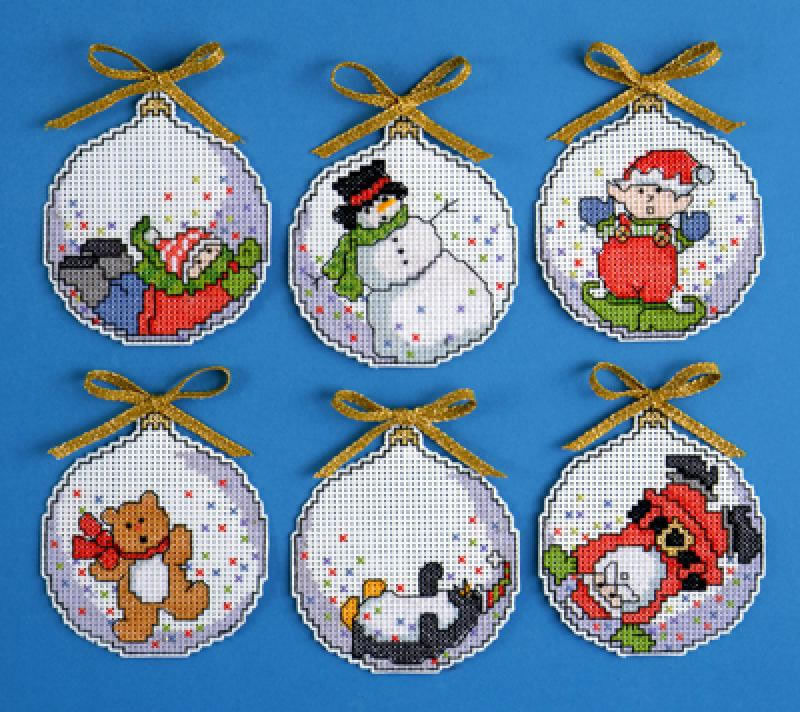
Imagine tiny, vibrant threads interlocking to form miniature works of art, each stitch a testament to patience and passion. These handcrafted treasures, often adorning festive trees or embellishing holiday dcor, evoke a sense of timeless charm and personalized warmth. The meticulous process transforms simple fabric into intricate designs, reflecting both the skill of the artisan and the spirit of the season. The result is a collection of keepsakes that are not only visually appealing but also imbued with sentimental value, representing a labor of love and a cherished tradition.
The art of needlework, in its myriad forms, boasts a rich and enduring history, with examples found across diverse cultures and spanning centuries. From ancient tapestries to delicate samplers, the practice of embellishing fabric with thread has served as both a functional craft and a powerful means of self-expression. These small decorations have often been passed down through generations, carrying with them stories and memories, becoming treasured heirlooms that connect families to their past. The enduring appeal of this craft speaks to its ability to provide a tangible link to heritage and a connection to the creative spirit.
One of the most appealing aspects of this particular craft lies in its accessibility and adaptability. Whether a complete novice or an experienced stitcher, individuals can find projects to suit their skill level and personal preferences. The readily available materials and abundance of patterns cater to a wide range of tastes and allow for endless customization. This makes it an ideal hobby for those seeking a relaxing and rewarding creative outlet, regardless of prior experience.
The world of needlepoint offers a delightful array of styles and techniques, from traditional motifs to contemporary interpretations. Miniature scenes, festive characters, and geometric patterns are just a few of the popular choices. The use of different thread types, embellishments, and finishing techniques further expands the creative possibilities, allowing artisans to personalize their creations and reflect their unique aesthetic sensibilities. This dynamic landscape ensures that there is always something new to discover and explore, keeping the craft fresh and engaging.
Ready to embark on your own stitching adventure? This guide will explore the essential tools, techniques, and tips to create exquisite decorations. Whether you aspire to craft a single, heartfelt gift or build an entire collection, the following sections will provide the guidance and inspiration needed to bring your vision to life, one stitch at a time.
Aida Fabric Count
The foundation of any exquisite creation begins with the canvas upon which it is crafted. In the realm of decorations made with needlepoint, that canvas is typically Aida cloth, and its countthe number of threads per inchexerts a profound influence on the final piece. A higher count translates to smaller stitches and increased detail, enabling the creation of intricate designs within a compact space. Conversely, a lower count yields larger stitches, making it ideal for simpler, bolder patterns or projects where speed and ease of stitching are paramount. The choice of Aida count, therefore, directly affects the visual texture, the level of complexity achievable, and the overall aesthetic of the completed work. Consider, for example, a delicate snowflake ornament; a higher Aida count would allow for capturing the subtle nuances and intricate geometry of its design, resulting in a miniature masterpiece. A simpler heart ornament, however, might be perfectly suited to a lower count, creating a charmingly rustic and approachable effect.
Selecting the appropriate Aida count extends beyond mere aesthetics. It also impacts the practical aspects of stitching. A higher count, while allowing for greater detail, can strain the eyes and require more patience, especially for beginners. A lower count, on the other hand, offers a more forgiving experience, making it easier to see and manage the stitches. The size of the finished decoration is also dictated by the Aida count. An ornament stitched on a 14-count Aida will naturally be larger than the same design stitched on an 18-count Aida. Therefore, the intended use and placement of the ornament should also be considered when determining the ideal fabric count. A larger ornament might be perfect for a prominent spot on the tree, while a smaller, more delicate one could be ideal for embellishing a gift or adding a subtle touch of festive cheer to a smaller space.
In summary, understanding the connection between Aida fabric count and decorations made with needlepoint is fundamental to achieving desired results. The Aida count is more than just a number; it is a key determinant of the design’s detail, the stitcher’s experience, and the overall scale and impact of the finished ornament. Careful consideration of this factor allows artisans to tailor their projects to their skill level, aesthetic preferences, and the specific purpose of each hand-stitched treasure. Choosing wisely ensures that the finished piece will not only be visually appealing but also a source of lasting satisfaction and a cherished addition to any festive collection.
Thread Color Palette
The selection of a thread color palette holds paramount importance in shaping the visual narrative of decorations created using needlepoint. Colors, beyond their aesthetic appeal, possess the power to evoke specific emotions, memories, and cultural associations. In the context of festive decorations, a carefully curated color palette can transform a simple stitched design into a vibrant celebration of the season. Imagine a miniature Santa Claus ornament; the choice of a rich, ruby red for his coat, a snowy white for his beard, and a cheerful pink for his cheeks instantly conveys the warmth and joy associated with Christmas. Conversely, a muted palette of icy blues, silvers, and whites can evoke a serene winter wonderland, perfect for depicting delicate snowflakes or peaceful woodland scenes. The thread color palette, therefore, is not merely a decorative element but rather a fundamental aspect of storytelling and emotional expression within the miniature canvas of a Christmas ornament.
The impact of thread color extends beyond the individual ornament, influencing the overall harmony and cohesion of a collection. Consider a Christmas tree adorned with a variety of hand-stitched ornaments, each telling a unique story. If the color palettes of these ornaments clash or compete, the overall effect can be jarring and unsettling. However, if the colors are carefully coordinated, perhaps by selecting a unifying theme or complementary hues, the result is a visually pleasing and harmonious display. Practical application involves considering the existing decor of the home or the intended recipient’s preferences when selecting a thread color palette. A traditional home might call for classic Christmas colors like red, green, and gold, while a more modern setting could benefit from a palette of silvers, blues, and whites. Understanding color theory and the relationships between different hues can further enhance the creative process, allowing artisans to create ornaments that are not only beautiful but also visually balanced and emotionally resonant.
In summary, the thread color palette is more than just a collection of colors; it is a powerful tool for shaping the visual identity and emotional impact of decorations created using needlepoint. From evoking specific emotions to creating harmonious collections, the careful selection of thread colors is essential for crafting ornaments that are not only visually appealing but also deeply meaningful. While the sheer variety of available thread colors can seem overwhelming, embracing the principles of color theory and considering the context in which the ornaments will be displayed can guide the selection process and ensure that each hand-stitched creation becomes a treasured heirloom, reflecting the spirit of the season and the artistry of the stitcher. The challenge lies in harnessing the power of color to tell a story, to evoke a feeling, and to transform simple stitches into miniature works of art that will be cherished for years to come.
Pattern Complexity
In the realm of decorations created with needlepoint, the complexity of the chosen pattern serves as a significant determinant of both the crafting experience and the final aesthetic outcome. Ranging from simple, beginner-friendly designs to elaborate, intricate scenes, the pattern’s complexity dictates the level of skill, patience, and time investment required. Therefore, understanding the nuances of pattern complexity is crucial for artisans seeking to create ornaments that align with their capabilities and creative aspirations.
-
Stitch Count and Density
Stitch count and density directly influence pattern complexity. A design featuring a high stitch count within a small area demands precision and meticulous attention to detail, increasing the overall difficulty. For instance, a complex Victorian-style decoration design with elaborate shading and intricate detailing will have a higher stitch count than a simpler, geometric design. This increased density not only affects the time required to complete the project but also impacts the visual texture and depth of the finished ornament.
-
Color Variations and Blending
The number of different colors and the techniques used to blend them contribute significantly to pattern complexity. Ornaments featuring subtle shading and gradual color transitions require careful attention to the pattern and precise stitch placement. Patterns with frequent color changes can be more challenging, requiring the stitcher to manage multiple threads and avoid errors. The use of blended threads, where two or more strands of different colors are combined in the needle, further adds to the complexity, creating nuanced color effects.
-
Use of Specialty Stitches
While the majority of decorations crafted through needlepoint rely on the basic stitch, the incorporation of specialty stitches, such as French knots, seed stitches, or Smyrna stitches, adds another layer of complexity. These stitches, while enhancing the texture and visual interest of the ornament, often require specific techniques and a higher level of skill. Patterns that incorporate a variety of specialty stitches demand patience and a willingness to learn new skills. Novice stitchers may choose to avoid specialty stitches or seek out patterns that incorporate them sparingly.
-
Size and Scale of the Design
The overall size and scale of the design, in relation to the Aida fabric count, influences the perceived complexity. A large, intricate design stitched on a high-count Aida fabric can be particularly challenging, requiring exceptional precision and stamina. Conversely, a smaller, simpler design stitched on a lower-count Aida may be a more manageable project for beginners. The relationship between size, scale, and stitch count should be carefully considered when selecting a pattern, ensuring a balance between challenge and enjoyment.
Pattern complexity, therefore, is a multifaceted consideration in the creation of decorations crafted through needlepoint. By carefully assessing the stitch count, color variations, use of specialty stitches, and the overall size of the design, artisans can select patterns that align with their skill level and creative goals. The ultimate aim is to create ornaments that are not only visually appealing but also a source of lasting satisfaction and a cherished addition to any festive collection, celebrating the joy and artistry of hand-stitched creations.
Finishing Techniques
The artistry of needlepoint extends beyond the final stitch; it culminates in the refined elegance of finishing techniques. These methods elevate a simple stitched piece into a polished, durable ornament, ready to grace a festive tree or adorn a cherished space. The careful execution of these finishing touches transforms a labor of love into a lasting treasure, exemplifying craftsmanship and attention to detail.
-
Backing Fabrics
The choice of backing fabric provides both structural integrity and aesthetic appeal. Felt, cotton, or even coordinating patterned fabrics can be carefully stitched to the back of the completed needlepoint, concealing the raw edges and providing a clean, professional look. Felt offers a soft, tactile quality, while patterned fabric can add a touch of whimsy or complement the existing design. The selection of backing fabric influences the overall durability and longevity of the ornament, protecting the delicate stitches from wear and tear.
-
Edging and Borders
The edging defines the ornament’s shape and adds a decorative flourish. Options range from simple whip stitches to more elaborate braided cords or delicate lace trims. These details frame the stitched design, enhancing its visual impact and creating a cohesive, finished look. A neatly executed edge showcases precision and elevates the perceived quality of the ornament, highlighting the artisan’s attention to detail.
-
Adding Hanging Loops
A secure and aesthetically pleasing hanging loop is essential for displaying the ornament. Ribbon, embroidery floss, or even metal ornament hangers can be carefully attached to the top of the piece, allowing it to be easily hung on a tree branch or decorative hook. The choice of hanging loop material and attachment method should complement the overall style of the ornament, ensuring both functionality and visual harmony. A well-attached loop ensures that the ornament will hang securely and gracefully, adding a touch of festive cheer to any space.
-
Embellishments and Additions
Further personalized the holiday decotarions with embellishments. Beads, sequins, charms, or small buttons can be strategically added to enhance the design and add a touch of sparkle or whimsy. These embellishments should be carefully chosen to complement the existing stitches and overall aesthetic of the ornament, creating a cohesive and visually appealing design. A sprinkling of beads on a snowflake ornament, for example, can add a touch of icy sparkle, while a small charm attached to a gingerbread man ornament can add a touch of playful personality.
These finishing techniques, when skillfully employed, transform a simple needlepoint project into a cherished keepsake. The combination of sturdy backing, decorative edging, secure hanging loops, and thoughtful embellishments elevates each ornament into a miniature work of art, reflecting the artisan’s creativity and dedication. These hand-stitched creations, with their refined finishing touches, become treasured reminders of the season, adding a touch of warmth and personal style to any holiday celebration.
What Youll Need to Start Crafting
Embarking on a journey to craft your own decorations with needlepoint is an exciting adventure! Gathering the right tools and materials sets the stage for a smooth and enjoyable stitching experience. Here’s a breakdown of what you’ll need:
- Aida Cloth: This is the foundation of your project. It’s a fabric with evenly spaced holes, making it easy to create neat and uniform stitches. Choose the “count” (holes per inch) based on your desired level of detail; 14-count is great for beginners.
- Embroidery Floss: These come in a stunning array of colors! Select a palette that matches your pattern and personal taste. DMC and Anchor are popular brands known for their quality and wide selection.
- Embroidery Needle: A blunt-tipped needle with a large eye is ideal for cross stitch. This type of needle slides easily through the holes in the Aida cloth without splitting the threads.
- Embroidery Hoop or Frame (Optional): Using a hoop or frame helps to keep your fabric taut, making stitching easier and preventing puckering. Choose a size that comfortably accommodates your design.
- Scissors: Small, sharp scissors are essential for trimming threads neatly. Embroidery scissors are specifically designed for this purpose.
- Pattern: You can find countless patterns online, in books, or even create your own! Start with a simple design if you’re a beginner.
- Thread Organizer (Optional): This handy tool keeps your floss organized and prevents tangling. You can use bobbins or a thread box.
- Needle Threader (Optional): Makes threading the needle much easier, especially for those with smaller needle eyes or visual impairments.
Preparation Tips for a Stress-Free Start
Getting organized before you start stitching can save you time and frustration. Here are a few tips to prepare your materials and create a comfortable workspace:
Preparing Your Fabric: Before you begin, it’s a good idea to “overlock” or tape the edges of your Aida cloth to prevent fraying. You can use masking tape, painter’s tape, or fray-check liquid. Finding the center of the Aida cloth is helpful. Fold the fabric in half one way and then again the other. Crease lightly at the intersection of the fold lines. That intersection marks the fabric center.
Organizing Your Threads: Sort your floss by color and label each thread with its corresponding symbol from the pattern. Use a thread organizer or simply wind the floss around cardboard bobbins. The pattern symbols are unique to the pattern. The pattern will provide guidance on how to organize the thread.
Creating a Comfortable Workspace: Good lighting is essential to reduce eye strain. Stitch in a well-lit area, preferably with natural light. Take breaks often to stretch your hands and neck. Maintain good posture to prevent back pain. Consider using a comfortable chair and a needlework stand to hold your hoop or frame.
Step-by-Step Instructions
Step 1
Begin by cutting a piece of Aida cloth slightly larger than your chosen pattern. A good rule of thumb is to leave at least two inches of extra fabric around all sides. Secure the edges with masking tape or fray-check to prevent unraveling during the stitching process.
Step 2
Locating the center of your fabric and your pattern is crucial for ensuring that your design is positioned correctly. Fold the Aida cloth in half vertically, then horizontally, and lightly crease the folds to mark the center point. This point will be your starting reference.
Step 3
Cut a length of embroidery floss approximately 18 inches long. Separate the floss into its individual strands. Most cross stitch patterns use two strands of floss. Thread your needle, making sure the floss is securely fastened but not knotted initially.
Step 4
Consult your pattern and identify the color that corresponds to the center stitch. Starting at the center point, bring your needle up through the bottom left hole of the stitch. Then, bring the needle down through the top right hole, completing half of the stitch (a slanted line). Make sure to leave a tail of thread on the back to secure your work.
Step 5
Continue making half-stitches in the same direction (bottom left to top right) across your fabric, following your pattern and using the corresponding colors for each stitch. Maintain consistent tension to ensure neat and even stitches.
Step 6
Once you’ve reached the end of the row, work your way back, completing the cross by stitching from the bottom right hole to the top left hole. Ensure that all of your top stitches lean in the same direction for a uniform appearance.
Step 7
When you’ve finished a color or reached the end of a thread, weave the needle under several stitches on the back of your work to secure the thread. Trim any excess thread close to the fabric. Do not knot the thread, as this can create bumps on the front of your project.
Step 8
Repeat steps 4-7, following the pattern carefully and using the appropriate colors for each section of the design. Be patient and take breaks when needed to avoid eye strain.
Step 9
After completing the stitching, trim the Aida cloth, leaving about an inch of fabric around the design. Place the stitched ornament on a piece of felt or backing fabric, cut to the same size. Stitch around the edges of the Aida cloth and the felt, using a whip stitch or blanket stitch, to create a finished edge.
Step 10
Cut a length of ribbon or embroidery floss for the hanging loop. Fold it in half and attach the ends securely to the top of the ornament using a few small stitches. Make sure the loop is strong enough to support the weight of the finished ornament.
So, there you have it! Creating decorations through needlepoint is more than just a craft; it’s a chance to slow down, unwind, and make something truly special. You get to infuse your personal touch into each stitch, crafting unique keepsakes that will bring joy to your home and to those you share them with. It’s a beautiful way to connect with tradition, express your creativity, and create meaningful gifts that will be cherished for years to come.
The beauty of this lies not just in the finished product, but in the creative journey itself. With every stitch, youre weaving a bit of yourself into these tiny works of art, making them all the more valuable and unique. These ornaments aren’t just decorations; they’re tangible expressions of love, care, and creativity, ready to make wonderful keepsakes.
Now it’s your turn to pick up a needle and thread and give it a try! Whether you’re a seasoned stitcher or a curious beginner, we encourage you to dive into the wonderful world of crafting these decorations through needlepoint. Don’t forget to share your creations with us we’d absolutely love to see your unique designs and hear about your experiences! Feel free to leave a comment and show off your work!
Happy Stitching!
Images References :
Image used for illustration purposes only. All rights belong to their respective owners.


