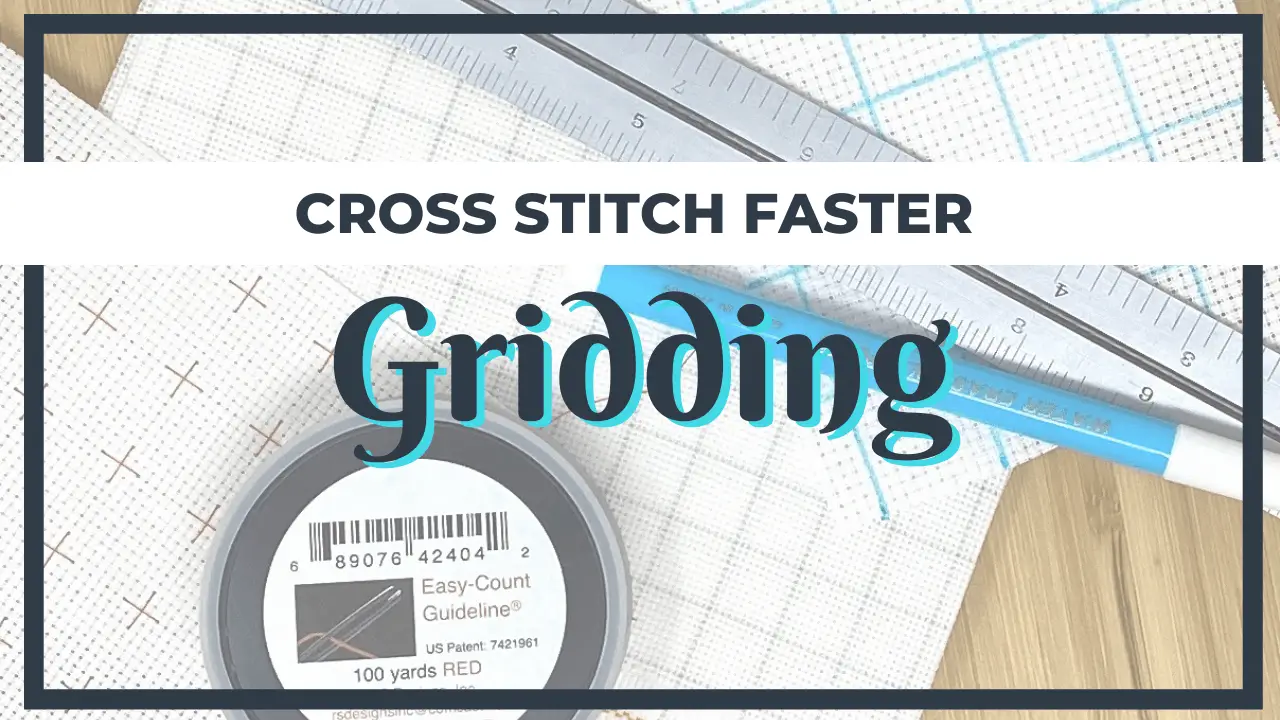
Imagine the satisfying rhythm of needle meeting fabric, each precisely placed ‘x’ building a vibrant image. The anticipation builds with every stitch, as a carefully planned design gradually emerges from the blank canvas. This craft, known for its meditative qualities, transforms simple threads into treasured works of art, offering both creative expression and a welcome escape from the everyday.
From humble beginnings as a way to mend and embellish clothing, this art form has woven its way through centuries and across cultures. Evidence of similar needlework techniques can be found in ancient textiles from around the world, evolving from purely functional repairs to elaborate displays of skill and artistry. Samplers, once a vital part of a young woman’s education, showcased proficiency and passed down patterns for generations.
One of the most appealing aspects of this craft lies in its approachability. The inherent structure allows for meticulous planning and straightforward execution. Whether embracing a challenging, intricate pattern or opting for a simple, beginner-friendly design, success is readily attainable. The pre-determined framework provides a clear guide, making it a relaxing and rewarding pastime for crafters of all skill levels.
The realm of this textile art is far from stagnant. While traditional motifs remain cherished, contemporary designers are constantly pushing boundaries. Modern patterns incorporate bold colors, abstract shapes, and personalized elements, reflecting diverse tastes and artistic visions. From miniature charms to large-scale wall hangings, the possibilities are truly limitless.
This foundation establishes a solid stepping stone for further exploration. The following guide delves into the specifics of choosing the correct materials and mastering essential techniques. Whether a seasoned enthusiast or a curious newcomer, the journey into this rewarding world promises endless creativity and satisfaction.
Fabric Count
Fabric count is at the very heart of the craft, establishing the visual texture and overall scale of the finished creation. Measured in threads per inch (TPI), fabric count dictates the size of each individual ‘x’ and, consequently, the level of detail achievable within a given design. Choosing the appropriate fabric count is a fundamental decision that impacts not only the aesthetic appeal but also the practical ease of stitching. The interplay between pattern complexity and fabric count is key to a satisfying stitching experience.
-
Detail and Resolution
A higher fabric count, such as 18 or 20 count, yields smaller stitches and finer detail. This allows for the recreation of intricate patterns and nuanced color gradients. Imagine stitching a portrait; a higher count fabric would capture subtle facial features with greater accuracy. Conversely, a lower count fabric, like 11 or 14 count, results in larger stitches, ideal for bolder designs or when working with larger-scale projects where intricate detailing is less critical.
-
Project Scale
The fabric count directly influences the final size of the finished piece. A design stitched on a higher count fabric will be smaller than the same design stitched on a lower count fabric. This consideration is vital when planning a project for a specific space or application. For example, a bookmark may benefit from a higher count to maintain a delicate, compact appearance, while a decorative cushion may be better suited to a lower count for increased visibility and impact.
-
Stitching Comfort
Fabric count also affects the physical comfort of the stitching process. Lower count fabrics, with their larger, more easily accessible holes, can be easier on the eyes and hands, especially for beginners or those with visual impairments. Higher count fabrics require more precise stitching and may demand greater concentration, making them potentially more challenging for extended periods. Balancing the desired level of detail with personal comfort is an important aspect of fabric selection.
-
Aida vs. Linen
Different types of cross stitch fabric inherently have different fabric counts. Aida cloth, with its distinct, evenly spaced blocks, is commonly available in counts ranging from 11 to 18. Linen, on the other hand, often boasts a higher count and a more subtle, textured appearance. Linen’s higher count allows for a more refined, elegant final product, but its less defined grid can pose a challenge for less experienced stitchers. The choice between Aida and Linen largely depends on personal preference, skill level, and the desired aesthetic outcome.
Ultimately, the choice of fabric count is a matter of balancing desired detail, project scale, stitching comfort, and material preference. Considering these facets in relation to a specific design ensures a successful and enjoyable creative endeavor. Selecting the fabric with a grid is an essential part of the overall effect, as it enhances the stitching process and brings out the artful expression of “cross stitch fabric with grid”.
Grid Visibility
For anyone venturing into the art of counted thread embroidery, the prominence of the grid plays a pivotal role. Within the domain of “cross stitch fabric with grid,” this visibility serves as a tangible guide, transforming intricate patterns into manageable sequences of stitches. The effect of a clear grid is profound; it empowers the stitcher to maintain consistent stitch size and precise placement, the cornerstone of achieving a neat and professional final product. Without it, the meticulous counting demanded by cross stitch can become a daunting, error-prone task.
Consider, for example, a complex sampler featuring multiple colors and intricate geometric designs. The pre-printed or woven grid on “cross stitch fabric with grid” provides a roadmap, a visual framework to anchor each stitch within the broader design. This is especially beneficial when working with large, repeating patterns where even a slight miscount can throw off the entire composition. Alternatively, for those who prefer a cleaner, more minimalist look, water-soluble grid lines offer the guidance needed during the stitching process but disappear completely upon completion, leaving only the finished embroidery visible.
In essence, the visibility of the grid within “cross stitch fabric with grid” is more than just a convenience; it is an integral element that enhances the accessibility and enjoyment of the craft. It fosters accuracy, builds confidence, and ultimately allows the artisan to focus on the creative expression rather than the tediousness of constant counting. While experienced stitchers may sometimes opt for fabrics with a more subtle grid or none at all, for beginners and those tackling intricate designs, “cross stitch fabric with grid” and its inherent grid visibility are indispensable tools, bridging the gap between vision and reality.
Fiber Composition
The choice of fibers from which “cross stitch fabric with grid” is woven exerts a profound influence on the look, feel, and longevity of the finished embroidery. Fiber composition dictates not only the texture and drape of the fabric but also its susceptibility to wear and tear, its ability to hold dye, and even the ease with which it can be stitched. Understanding the properties of different fibers is therefore essential in selecting the ideal canvas for a particular design.
Consider, for example, the distinction between cotton and linen. Cotton, a widely popular choice, offers a soft, readily available, and relatively inexpensive option. It provides a comfortable stitching surface and accepts dyes readily, resulting in vibrant, colorfast designs. However, cotton is also prone to wrinkling and may lack the refined elegance of linen. Linen, with its inherent strength and subtle sheen, lends a more sophisticated air to the finished piece. Its natural texture adds depth and character, though it can be more challenging to work with due to its tendency to fray and its less distinct grid. Silk, though less common for beginners, presents a luxurious option, imbuing the embroidery with unparalleled richness and luster. Each fiber, with its unique characteristics, lends itself to different styles and purposes. A rustic sampler might be beautifully rendered on linen, whereas a children’s design would likely be more practical and vibrant on cotton.
In essence, the fiber composition of “cross stitch fabric with grid” is not merely a technical detail but rather a crucial design element. It underpins the tactile experience of stitching, influences the aesthetic qualities of the embroidery, and ultimately determines the lasting impact of the artwork. Careful consideration of these factors ensures that the chosen fabric not only complements the design but also stands the test of time, becoming a cherished heirloom for generations to come. The right blend of fiber enhances the grid and elevates the overall art form of the piece.
What Youll Need
- Cross Stitch Fabric with Grid: This is the foundation! Aida cloth is a popular choice for beginners due to its easy-to-see grid. Linen is also a great option for a more classic look, but can be slightly more challenging.
- Embroidery Hoop or Frame: This will hold your fabric taut while you stitch, preventing puckering and making it easier to maintain even tension.
- Embroidery Floss (Thread): Choose colors according to your pattern. DMC and Anchor are well-known brands offering a wide range of shades.
- Embroidery Needle: A blunt-tipped needle with a large eye is ideal for cross stitch. This type of needle will easily pass through the holes in your “cross stitch fabric with grid”.
- Pattern: Whether its a printed chart, a digital pattern, or a hand-drawn design, you’ll need a guide to follow.
- Scissors: Small, sharp scissors are essential for cutting floss.
- Optional: Thread Organizer: To keep your floss neat and tangle-free, consider using a thread organizer (bobbins or a floss box).
- Optional: Magnifying Glass/Light: If you’re working with high-count fabric or have visual challenges, a magnifying glass and good lighting can be very helpful.
Preparation Tips
Prepare Your Fabric: Before you start stitching, its a good idea to finish the edges of your “cross stitch fabric with grid” to prevent fraying. You can use a serger, zigzag stitch on a sewing machine, or simply bind the edges with masking tape or painter’s tape.
Organize Your Threads: Cut your floss into manageable lengths (about 18 inches is a good starting point). If your pattern uses a lot of different colors, organize your threads using a thread organizer or bobbins. Label each with the corresponding color number to avoid confusion.
Center Your Pattern: Find the center of your “cross stitch fabric with grid” and the center of your pattern. Start stitching from the center to ensure your design is evenly spaced.
Lighting and Posture: Good lighting is crucial for comfortable stitching. Position your workspace so that light shines directly on your fabric. Also, be mindful of your posture. Sit comfortably in a supportive chair and take breaks to stretch your hands and back.
Step-by-Step Instructions
Step 1
Cut a length of embroidery floss, approximately 18 inches long. Separate the floss into the number of strands specified in your pattern (usually 2 or 3). Thread the floss through the eye of your embroidery needle, making sure the end is even, then secure with a knot. Some find it easier to loop the floss through the eye and pass the needle through the loop. Experiment to find what works best for you. The goal is to have secure strand of floss ready for stitching.
Step 2
Locate the starting point on your “cross stitch fabric with grid” according to your pattern, usually the center of the design. Bring the needle up from the back of the fabric at the bottom left corner of the square. Leave a tail of floss on the back side (about an inch or so). Hold this tail in place while you make your first few stitches; this will secure the floss without needing a knot. Now, bring the needle down through the top right corner of the same square, creating a diagonal stitch ( / ).
Step 3
Bring the needle up from the back of the fabric at the bottom right corner of the square. Then, bring the needle down through the top left corner of the same square. This completes the first cross stitch ( X ). Ensure all your cross stitches are facing in the same direction for a consistent and professional look. This direction is usually specified in the pattern.
Step 4
To stitch a row of cross stitches, continue making the first half of the stitch ( / ) across the row, then return, completing the crosses ( X ). This technique, known as the “English method,” ensures uniformity in your stitches. Keep the back neat and tidy, avoiding long carried threads that can show through the front or snag. Maintaining consistent tension will also create a smooth, visually appealing finish.
Step 5
When you reach the end of a thread or finish a section of color, weave the needle under several stitches on the back of your work to secure the end. Then, trim the excess floss close to the fabric. Avoid using knots, as they can create bulk and potentially come undone over time. Secure ends carefully to ensure long-lasting durability of your piece.
Step 6
Everyone makes mistakes! If you misplace a stitch, gently remove it with your needle. If you’ve already secured the thread, carefully snip the incorrect stitch and remove it. Then, restitch the area correctly. Don’t be discouraged by mistakes; they’re part of the learning process. Embrace imperfections as character elements within your work.
Step 7
Once you’ve completed the pattern on your “cross stitch fabric with grid”, remove it from the hoop or frame. Gently hand wash the fabric with a mild detergent if necessary. Iron the fabric on the reverse side, using a low setting. Finally, frame your finished piece, turn it into a pillow, or use it to embellish another craft project. Congratulations, you’ve completed your first cross stitch piece!
So, there you have it a complete guide to getting started with “cross stitch fabric with grid”! It’s more than just a craft; it’s a chance to unwind, express your creativity, and create something beautiful with your own two hands. From choosing the perfect fabric to mastering the basic stitches, you now have all the tools you need to embark on your stitching adventure.
Each perfectly placed ‘x’ becomes a brushstroke, transforming a blank canvas into a personalized masterpiece. Whether you’re drawn to intricate landscapes, charming floral designs, or simple geometric patterns, “cross stitch fabric with grid” offers a unique way to capture your vision and bring it to life, stitch by stitch.
We hope this guide has inspired you to give it a try! Don’t be afraid to experiment with different patterns, colors, and fabrics. And, most importantly, have fun! We’d love to see what you create, so please share photos of your finished projects in the comments below. We’re here to cheer you on every step of the way!
Happy stitching!
Images References :
Image used for illustration purposes only. All rights belong to their respective owners.



