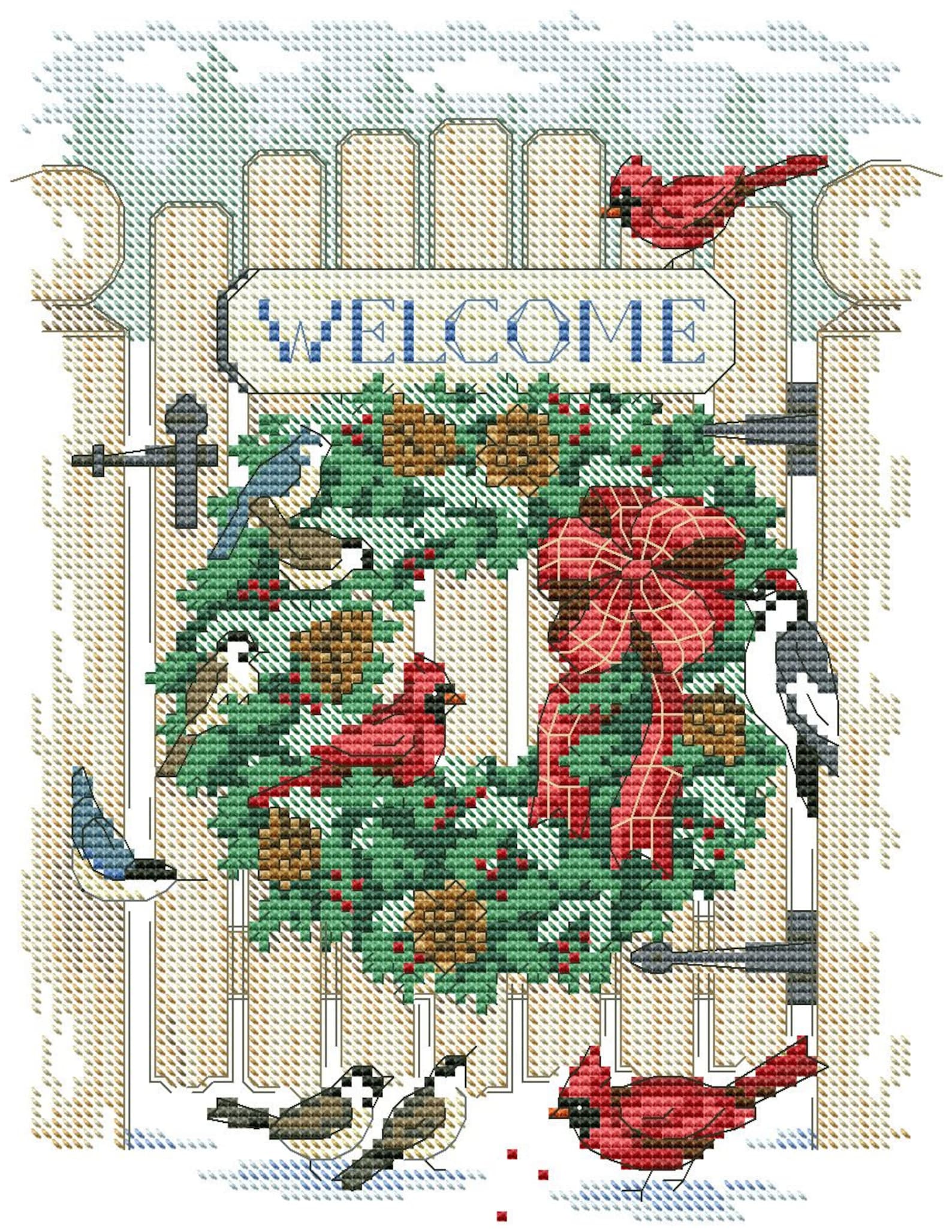
Imagine transforming simple fabric into vibrant works of art, one careful stitch at a time. This accessible needlecraft allows anyone to create beautiful imagery, from charming floral motifs to intricate geometric designs. The meditative rhythm of the needle moving across the fabric promotes focus and relaxation, offering a welcome respite from the demands of daily life. The finished pieces become treasured heirlooms, reflecting the creator’s unique style and dedication.
This time-honored art form boasts a rich history, with examples dating back centuries across various cultures. From the elaborate samplers of Victorian England to the folk-art traditions of Eastern Europe, stitched designs have served as both decorative embellishments and poignant expressions of personal stories. Each piece carries echoes of the past, connecting modern crafters to a long line of artisans who found solace and satisfaction in this meticulous craft.
The appeal lies in its straightforward nature and broad accessibility. Requiring minimal materials and equipment, it presents a low barrier to entry for beginners. Yet, it also offers endless possibilities for experienced stitchers to explore advanced techniques and complex designs. The craft adapts seamlessly to individual skill levels, providing both instant gratification for simple projects and a rewarding challenge for more ambitious endeavors.
From traditional samplers and personalized monograms to contemporary abstract art and quirky character designs, this craft embraces a wide spectrum of styles. Modern interpretations often incorporate bold color palettes, unconventional materials, and innovative stitching techniques. The craft constantly evolves, mirroring current design trends while preserving its timeless appeal.
Whether one is seeking a calming hobby, a creative outlet, or a way to produce personalized gifts, this needlecraft offers a fulfilling experience. Let us now explore some inspiring ways to get started and discover the joy of bringing these designs to life, ensuring every stitch is a step toward crafting something beautiful and uniquely personal.
Simple, Clear Charts
The bedrock of any successful and enjoyable needlecraft project, particularly for those venturing into the world of cross-stitch, rests upon the availability of charts that are both simple and clear. These designs function as visual roadmaps, guiding the stitcher through the intricate process of transforming fabric into art. Without a well-defined chart, the endeavor can quickly become frustrating, leading to errors, discouragement, and ultimately, an abandoned project. Consider a simple floral pattern: A clear chart will meticulously delineate each stitch, identifying the color of floss required and its precise location on the fabric, rendering the creation of the design both attainable and satisfying. Conversely, a poorly designed chart, cluttered with ambiguous symbols or lacking precise color assignments, can transform a delightful pastime into a daunting challenge.
The impact of chart clarity extends beyond mere aesthetic considerations; it directly affects the accessibility of the craft. When patterns are easy to understand, a broader range of individuals, regardless of their previous experience, can engage with cross-stitch. Children, for example, benefit greatly from simplified charts featuring large, distinct symbols and limited color palettes, allowing them to develop fine motor skills and experience the joy of creative expression. Similarly, individuals with visual impairments may find enlarged, color-coded charts invaluable, enabling them to participate fully in this rewarding hobby. The choice of a well-crafted chart is therefore an act of empowerment, unlocking the potential for creative exploration for a diverse audience.
In summary, simple, clear charts are not merely desirable; they are essential for nurturing a positive and successful cross-stitch experience, especially for those seeking entry into this captivating world. They serve as the foundation upon which confidence and skill are built, ensuring that the joy of creating beautiful, stitched artwork remains accessible to all. By prioritizing chart clarity, the journey becomes as rewarding as the finished piece, encouraging further exploration and a deeper appreciation for this timeless art form.
Manageable Stitch Counts
The number of stitches in a design bears a direct relationship to the perceived ease and enjoyability of a cross-stitch pattern. A design with a manageable stitch count typically fewer stitches overall and shorter rows translates to a quicker completion time. This immediate gratification is especially crucial for beginners, fostering a sense of accomplishment that fuels continued interest. A complex, high-stitch-count design, conversely, can feel overwhelming, leading to frustration and potentially abandonment of the project. For example, a small bookmark featuring a simple floral sprig requires significantly fewer stitches than a full landscape scene, making it a more approachable starting point. Therefore, a manageable stitch count is a cornerstone of what makes patterns accessible and pleasant to work on.
Beyond simply being “easier,” designs with lower stitch counts often present opportunities to focus on technique and precision without the added pressure of a large, time-consuming commitment. This allows stitchers to hone their skills achieving neat, even stitches and mastering color changes within a less demanding framework. The practical application is clear: smaller projects build confidence and expertise. One can consider the popular trend of stitching small, individual motifs to create a larger collage. Each motif, having a limited stitch count, becomes a manageable task. The collective effect creates a larger piece, but the individual stitcher never feels burdened by an overwhelming project.
In conclusion, the selection of designs with manageable stitch counts is paramount for fostering a positive experience in the art of needlecraft. These designs offer a gateway to develop fundamental stitching skills, nurture artistic confidence, and achieve a tangible sense of accomplishment. By prioritizing designs with lower stitch counts, stitchers are set to enjoy their journey, one stitch at a time, and progressively develop the skills necessary to tackle more complex projects in the future. These easily managed patterns lead to increased overall project success and a lasting appreciation for the craft.
Beginner-Friendly Designs
Beginner-friendly designs constitute a crucial component within the realm of uncomplicated needlecraft. The intrinsic link lies in their capacity to provide a gentle introduction to the art form. The absence of complex stitches, intricate color changes, or densely packed patterns allows novice stitchers to develop foundational skills without feeling overwhelmed. Consider a pattern featuring a simple heart shape filled with a single color; such a design provides an immediate sense of accomplishment, reinforcing the appeal of the craft and motivating further exploration. The selection of such patterns directly influences the likelihood of a successful and enjoyable initial experience, thus transforming potential hobbyists into dedicated crafters.
These accessible designs also serve a practical purpose by reducing the learning curve associated with cross-stitch. By focusing on fundamental techniques, such as consistent stitch tension and accurate counting, beginners can gradually build confidence and proficiency. The effect extends beyond mere skill acquisition; it cultivates a sense of creative empowerment. For instance, a set of small patterns depicting basic shapes or letters can be used to personalize gifts or create unique home decor items, providing tangible evidence of the stitcher’s newfound abilities. This hands-on application reinforces learning and encourages experimentation with more advanced techniques in the future.
In summary, beginner-friendly designs are not simply simplified versions of more complex patterns; they represent a carefully curated approach to introducing individuals to the world of cross-stitch. Their significance resides in their ability to minimize frustration, promote skill development, and foster a lasting appreciation for the craft. By providing a positive initial experience, these patterns pave the way for continuous learning and creative exploration, ensuring that the joy of counted cross-stitch remains accessible to all. They are, in essence, the gateway to a lifelong passion for this art form.
Limited Color Palettes
Within the realm of accessible needlecraft, a deliberate restriction of the color range emerges as a powerful tool. This curated simplicity not only facilitates the stitching process but also enhances the aesthetic harmony of the finished piece. By consciously choosing fewer hues, patterns are immediately made more manageable, thereby creating a smoother entry point for those new to the craft.
-
Reduced Confusion and Easier Matching
With fewer colors to juggle, the possibility of misreading charts or selecting incorrect floss shades diminishes significantly. This clarity directly contributes to a less stressful and more enjoyable stitching experience. For instance, a pattern utilizing only shades of blue and white for a winter scene streamlines the selection process, freeing the stitcher to focus on technique rather than color matching complexities.
-
Cost-Effectiveness and Accessibility
Assembling a complete palette of embroidery floss can be a costly endeavor. Limiting the color range directly reduces the financial barrier to entry, making this craft more accessible to individuals on a budget. Starting with a small set of essential colors allows beginners to gradually expand their collection as their skills and interests evolve. Consider projects focused on blackwork embroidery, known for its elegant simplicity and reliance on a single color, often black, on a light background.
-
Enhanced Design Cohesion
While a vibrant spectrum of colors can be visually appealing, it can also overwhelm a design, especially for beginners. Restricting the palette fosters a sense of unity and visual harmony. A pattern with a limited color scheme encourages a deeper appreciation for texture, shading, and the interplay of light and shadow. Simple geometric designs with variations in a single hue are great examples.
-
Focus on Stitching Technique
When the color choices are simplified, the emphasis shifts from complex color blending to the quality and consistency of the stitches themselves. This allows stitchers to hone their skills in areas such as tension control, neatness, and following the pattern accurately. A sampler featuring different stitch types in a single color offers a practical avenue for mastering these fundamental techniques.
By consciously embracing a restricted range, crafters unlock numerous benefits. This approach simplifies the stitching process, reduces costs, enhances design cohesion, and encourages a greater focus on technique. A limited range, therefore, serves as a gateway, transforming complex designs into approachable projects and fostering a lifelong appreciation for the art of counted needlecraft.
What Youll Need
- Embroidery Hoop: This helps keep your fabric taut while you stitch, making it easier to create neat and even stitches. A 6-inch hoop is a great size for beginner projects.
- Aida Cloth: This is the foundation of counted cross-stitch. It’s a fabric with evenly spaced holes that guide your needle. 14-count Aida is a good starting point; it means there are 14 holes per inch.
- Embroidery Floss: These are the colorful threads you’ll use to create your design. DMC floss is a popular and readily available brand. Refer to your pattern for the specific colors needed.
- Embroidery Needle: Choose a needle with a blunt tip and a large eye, making it easy to thread and slide through the Aida cloth without splitting the fibers. Size 24 or 26 is usually ideal.
- Scissors: Small, sharp scissors are essential for snipping floss ends neatly.
- Pattern: Whether printed or digital, your pattern is your roadmap. Make sure it’s easy to read, with clear symbols and a color key.
- Optional: Needle Threader: Especially helpful when working with multiple strands of floss.
Preparation Tips
Before you begin, gently wash and iron your Aida cloth to prevent shrinking or wrinkles in your finished piece. Find the center of your fabric by folding it in half lengthwise and then widthwise, and lightly mark the center point with a pin or washable fabric marker.
Organize your embroidery floss by separating each color and winding it onto bobbins or using floss organizers. This prevents tangling and makes it easy to find the colors you need. Ensure good lighting to reduce eye strain. Stitch in a comfortable chair with good posture to avoid back or neck pain. Take breaks often!
Step-by-Step Instructions
Step 1
Loosen the screw on your embroidery hoop and separate the inner and outer rings. Place your Aida cloth over the inner ring, then gently press the outer ring over the fabric and inner ring. Ensure the fabric is taut, like a drum. Tighten the screw to secure it. If any part of the fabric is loose, gently pull on the edges to tighten it, then re-tighten the screw.
Step 2
Cut a length of embroidery floss about 18 inches long. Separate the floss into strands. Most patterns use two strands of floss; gently pull two strands away from the six that make up the full floss. Thread the two strands through the eye of your embroidery needle. If you’re having trouble, use a needle threader. Once threaded, bring the ends of the floss together and tie a small knot.
Step 3
Consult your pattern. The pattern will show you where to begin stitching, usually near the center. Locate the corresponding position on your Aida cloth. Remember that each square on the pattern represents one stitch on the fabric.
Step 4
Bring the needle up from the back of the Aida cloth through the bottom left hole of the square you’re starting with, leaving a short tail of floss on the back. Hold the tail with your finger and stitch over it with the first few stitches to secure it (this eliminates the need to knot the beginning of your floss). Bring the needle diagonally up and across through the top right hole of the square, forming your first half stitch (a diagonal line).
Step 5
Now, bring the needle back down through the top left hole of the square, completing the “X” shape of a cross-stitch. Pull the floss gently but firmly, ensuring the stitch lies flat on the fabric.
Step 6
Continue making cross-stitches in a row, following your pattern. The most common method is to complete a row of half stitches first (all diagonal lines in the same direction), and then return to complete the crosses by stitching the diagonal lines in the opposite direction. This is more efficient and keeps your stitches neat.
Step 7
When you need to switch to a new color, finish the last stitch of the current color by bringing the needle to the back of the fabric. Secure the floss by weaving the needle under a few stitches on the back. Snip off the excess floss close to the fabric. Thread your needle with the new color and begin stitching as described in Step 4, weaving in the tail of the new color.
Step 8
Don’t be afraid to make mistakes it happens to everyone! If you find an incorrect stitch, gently use the tip of your needle to lift the stitch from the fabric. Carefully snip the unwanted floss and restitch with the correct color.
Step 9
Once you’ve completed all the stitches in your pattern, remove the fabric from the hoop. Gently hand wash the finished piece in lukewarm water with a mild detergent. Rinse thoroughly and lay it flat on a clean towel to dry. Once dry, iron the fabric on the reverse side on a low setting to remove any wrinkles.
Step 10
There are many ways to display your finished artwork. You can frame it, use it to decorate a pillow, turn it into a patch, or simply keep it in the hoop. Enjoy your beautiful, handmade creation!
Embarking on counted needlecraft offers a delightful journey of creativity and relaxation. The accessibility of simple patterns, combined with the rhythmic motion of the needle, makes it a soothing escape from the everyday. You’ll find yourself engrossed in transforming fabric into a personalized masterpiece, stitch by stitch.
Beyond the finished project, this time-honored art fosters patience, precision, and a sense of accomplishment. It’s a tangible reminder of the beauty that can be created with simple tools and a little bit of dedication.
We encourage you to grab your supplies and try one of these projects. Don’t hesitate to share photos of your creations with us we’d love to see your unique take on needlecraft! And if you have any questions or helpful tips of your own, please leave a comment below.
Happy stitching!
Images References :
Image used for illustration purposes only. All rights belong to their respective owners.


