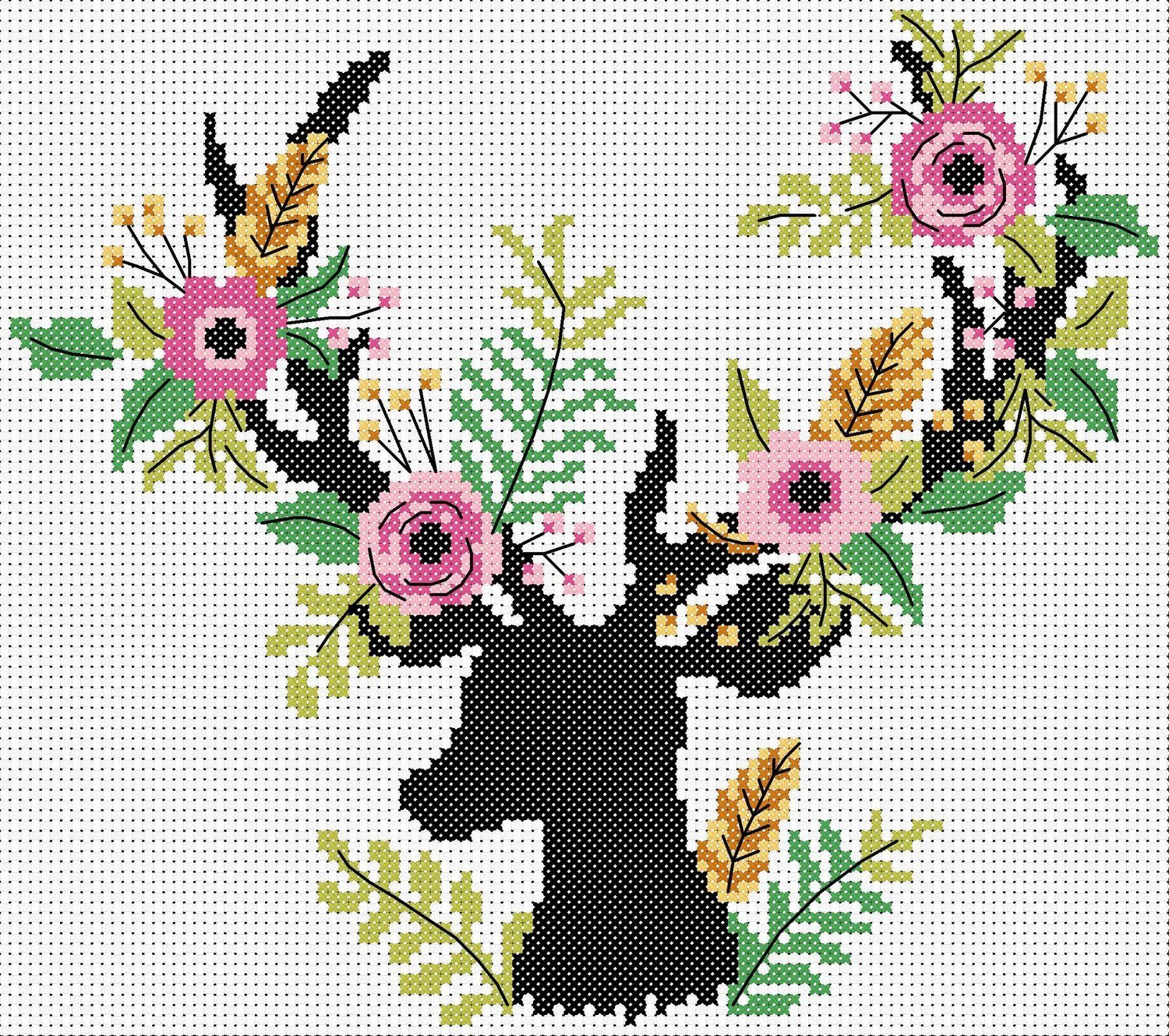
Needle and thread, a gridded fabric canvas, and the quiet focus of creation combine to form an art form both intricate and deeply satisfying. The rhythmic dance of the needle, bringing vibrant colors to life square by square, fosters a unique connection between creator and creation. Each completed piece tells a silent story, a testament to patience, precision, and the simple beauty of handcraft.
The practice of counted thread embroidery boasts a rich heritage, woven through diverse cultures across centuries. From intricate samplers preserving family histories to bold geometric designs adorning traditional garments, its enduring appeal lies in its adaptability and its capacity to reflect the spirit of the times. The earliest examples offer glimpses into bygone eras, making each contemporary endeavor a link in a long and fascinating chain.
Accessible to beginners yet challenging enough for seasoned artisans, this accessible craft welcomes all levels of experience. The tools are simple, the techniques easily learned, and the possibilities virtually endless. Whether one seeks mindful relaxation, a tangible expression of creativity, or a cherished heirloom to pass down through generations, this versatile pastime offers something for everyone.
The world of this art form is constantly evolving, with new techniques, materials, and design trends emerging regularly. From traditional motifs reimagined with modern color palettes to whimsical, contemporary patterns reflecting popular culture, the medium allows for limitless exploration and personal expression. Digital resources have further expanded its reach, offering access to an abundance of inspirations and resources.
This guide aims to navigate the abundant resources available, focusing on the convenience and accessibility of readily available resources. Let’s delve into the process of finding, selecting, and utilizing readily accessible models to bring your creative visions to life.
Design Complexity
Design complexity plays a pivotal role in selecting readily available models, influencing the entire stitching experience from initial preparation to the final triumphant stitch. The suitability of a design hinges on the stitcher’s skill level, available time, and desired outcome, ensuring a harmonious balance between challenge and enjoyment.
-
Stitcher’s Skill Level
Patterns vary in complexity, ranging from simple motifs ideal for beginners to intricate scenes demanding advanced techniques. A novice might begin with patterns featuring full stitches and minimal color changes, while experienced stitchers may relish the challenge of elaborate designs incorporating fractional stitches, blending filaments, and extensive shading.
-
Time Commitment
The density of stitches and number of colors directly impact the time required to complete a project. Larger, more detailed models can consume weeks or even months of dedicated stitching. Careful consideration of the time available is therefore crucial to selecting a design that aligns with personal schedules and commitments.
-
Motif Detail
The level of detail within a design dictates the complexity of the stitching process and the final visual impact. Simple geometric patterns offer a clean, minimalist aesthetic, while complex, realistic portrayals necessitate meticulous attention to detail and precise stitch placement. The choice depends on the desired level of artistic expression and the intended purpose of the finished piece.
-
Number of Colors
A wider range of colors adds depth and realism to a piece but also increases the complexity of the project. Managing multiple thread colors, making frequent changes, and ensuring accurate color placement demands a high degree of organization and patience. Beginner-friendly models often limit the palette to a handful of colors to simplify the process.
Ultimately, the decision regarding pattern complexity should align with individual goals and preferences. Whether one seeks a quick and satisfying project or a challenging artistic endeavor, a well-chosen pattern will unlock the full potential of cross-stitch, transforming printed diagrams into cherished works of art. The vast range of available models makes it a simple task.
File Accessibility
The ability to easily access digital files is paramount in the modern world, profoundly impacting the realm of creative crafts, especially the use of readily available resources. Without seamless access, the intricate designs meant to inspire hours of focused stitching remain locked away, hindering the creative process before it even begins. The availability of models in universally compatible formats transforms the crafting experience.
Consider the countless artisans eager to embark on a new project, only to discover that the desired design is trapped within a proprietary file format, incompatible with their devices or software. This limitation creates frustration, delays, and unnecessary expenses, as users scramble to convert files or invest in specialized software. Conversely, when models are offered in widely accepted formats like PDFs or JPEGs, the path from inspiration to creation becomes smooth and effortless. A designer offering patterns exclusively in a niche format limits their audience, while those embracing open standards ensure inclusivity. Real-world examples abound, from crafters sharing freely available patterns on blogs to commercial designers offering downloadable models through online marketplaces. The choice of file format directly affects accessibility and, consequently, the reach and impact of the design.
In conclusion, file accessibility is an indispensable component of the experience. The ease with which designers can offer their patterns and users can access them determines the viability of the craft. Overcoming format barriers and prioritizing user-friendly options fosters a thriving community of stitchers, empowers creative expression, and ensures that the joy of this art form remains readily available to all. The selection process becomes smooth, enhancing usability and contributing to a positive overall encounter.
Printing Accuracy
The fidelity with which a design translates from the digital realm to a tangible, usable format is paramount to the success of any endeavor utilizing readily available models. Imperfectly rendered grids, distorted color palettes, or illegible symbols can transform a promising creative project into a frustrating exercise in guesswork. Printing Accuracy acts as the critical bridge ensuring that the artist’s vision is faithfully conveyed, providing the necessary foundation for a rewarding stitching experience. The clarity of the model dictates the precision of the finished art.
Consider, for instance, a complex floral design with subtle shading requiring a variety of closely related thread colors. If the printed color chart deviates significantly from the intended hues, the resulting piece may lack the depth and nuance envisioned by the designer. Similarly, a distorted grid can throw off stitch placement, leading to misaligned motifs and an overall sense of imbalance. Software compatibility plays a crucial role here. Designs created with professional-grade software and saved in high-resolution formats are far more likely to yield accurate prints compared to those sourced from low-resolution images or converted haphazardly between file types. Checking print previews, adjusting printer settings, and utilizing high-quality paper all contribute to enhancing printing accuracy.
In essence, Printing Accuracy is not merely a technical detail but a fundamental aspect of the user experience. It directly impacts the enjoyment, efficiency, and ultimate success of projects. By understanding the potential pitfalls of inaccurate prints and implementing strategies to mitigate them, stitchers can ensure that their creative endeavors are built on a solid foundation, allowing them to focus on the joy of bringing their visions to life, one stitch at a time. This ensures that readily available models translate into beautiful, accurately realized artwork.
What Youll Need
- Printed Design: The readily available model, printed clearly and legibly. Consider printing in color if the design is complex.
- Aida Cloth: This is the fabric specifically designed for cross-stitch, with easily visible holes to guide your stitches. Choose a count (holes per inch) that suits your comfort level. 14-count is a good starting point.
- Embroidery Hoop or Frame: This keeps the fabric taut while you stitch, making the process easier and preventing puckering. Select a size that comfortably accommodates your design.
- Embroidery Needles: These needles have a blunt tip and a large eye to easily accommodate embroidery floss. A size 24 or 26 is typically recommended for 14-count Aida.
- Embroidery Floss: Usually six-stranded cotton floss. DMC and Anchor are popular brands, offering a vast range of colors.
- Scissors: Small, sharp scissors for cutting the floss.
- Needle Threader (Optional): Helpful for threading the embroidery needle, especially for those with dexterity challenges.
- Good Lighting: Essential for seeing the fabric and design clearly, especially when working with darker colors.
- Magnifying Glass (Optional): If you find it difficult to see the holes in the Aida cloth, a magnifying glass can be very helpful.
- Floss Organizer (Optional): A card or box with labeled sections for keeping your floss colors organized.
Preparation Tips
Before you begin, prepare your Aida cloth by overlocking or taping the edges to prevent fraying. Center your fabric in the embroidery hoop, ensuring it is taut but not overly stretched. A good tension is similar to a tightly stretched drum. If printing the design yourself, ensure the resolution is set to high for crisp lines and clear symbols. It is also helpful to check the printer ink, the readily available models are only useful if they are printed with clarity.
Organize your embroidery floss by color, using a floss organizer or simply labeling small bags. Cut lengths of floss about 18 inches long this is a manageable length that reduces tangling. Work in a well-lit area to minimize eye strain, and take frequent breaks to stretch and rest your hands and eyes. Good posture is important for comfort and to prevent back pain. Consider using a comfortable chair with good back support.
Step-by-Step Instructions
Step 1
Secure the edges of your Aida cloth with masking tape or a serger to prevent fraying. Center the fabric within your embroidery hoop, tightening the screw until the material is taut like a drum. This provides a stable surface for consistent stitches.
Step 2
Cut a length of embroidery floss approximately 18 inches long. Separate two strands from the floss (most patterns use two strands for stitching). Thread the two strands through the eye of your embroidery needle, using a needle threader if needed. Then bring the two loose ends of the floss together and knot them. This knot will anchor your first stitch.
Step 3
Locate the starting point on your readily available model. Bring the needle up through the bottom left hole of the square you’re stitching. Then, bring the needle down through the top right hole of the same square. This completes half of your cross stitch (a diagonal line).
Step 4
Bring the needle up through the bottom right hole of the same square. Now, bring the needle down through the top left hole of the square. This completes your cross stitch, forming a complete ‘X’ shape. Ensure all the top stitches in a row go in the same direction to achieve a uniform look.
Step 5
Following your pattern, continue making cross stitches, one square at a time. Refer to the color key on the pattern to use the correct floss color for each square. Keep the back of your work relatively neat, avoiding long traveling threads across the back of the fabric.
Step 6
When you run out of floss or need to change colors, weave the needle and thread through the back of several completed stitches to secure it. Trim the excess floss close to the fabric. Avoid making knots on the back, as they can create bulk and distort the fabric.
Step 7
Once you’ve completed the entire design, remove the fabric from the embroidery hoop. Gently hand-wash the finished piece in cool water with a mild detergent if necessary. Lay it flat to dry, and then iron it on a low setting on the reverse side, placing a clean cloth between the iron and the stitching. Now your readily available model has become art!
Step 8
Frame your finished cross-stitch piece, mount it on a canvas, or use it to embellish a pillow or other decorative item. The possibilities are endless! Enjoy the satisfaction of creating something beautiful with your own hands.
Embarking on a project using readily available models offers a delightful escape into a world of creativity and focused relaxation. The gentle rhythm of the needle, the gradual emergence of a beautiful design, and the satisfaction of creating something unique with your own hands make this craft a truly rewarding experience. From simple motifs to intricate masterpieces, there’s a model to suit every taste and skill level.
Beyond the simple pleasure of the process, this art form holds a special charm, connecting us to a rich history of needlework traditions. Each stitch is a testament to human ingenuity and the enduring power of handcrafted art.
So why not give it a try? Download your chosen model, gather your supplies, and let your creativity flow. We’d love to see what you create! Share your finished pieces with us, or leave a comment with your thoughts and experiences. Your feedback is invaluable!
Happy stitching!
Images References :
Image used for illustration purposes only. All rights belong to their respective owners.


