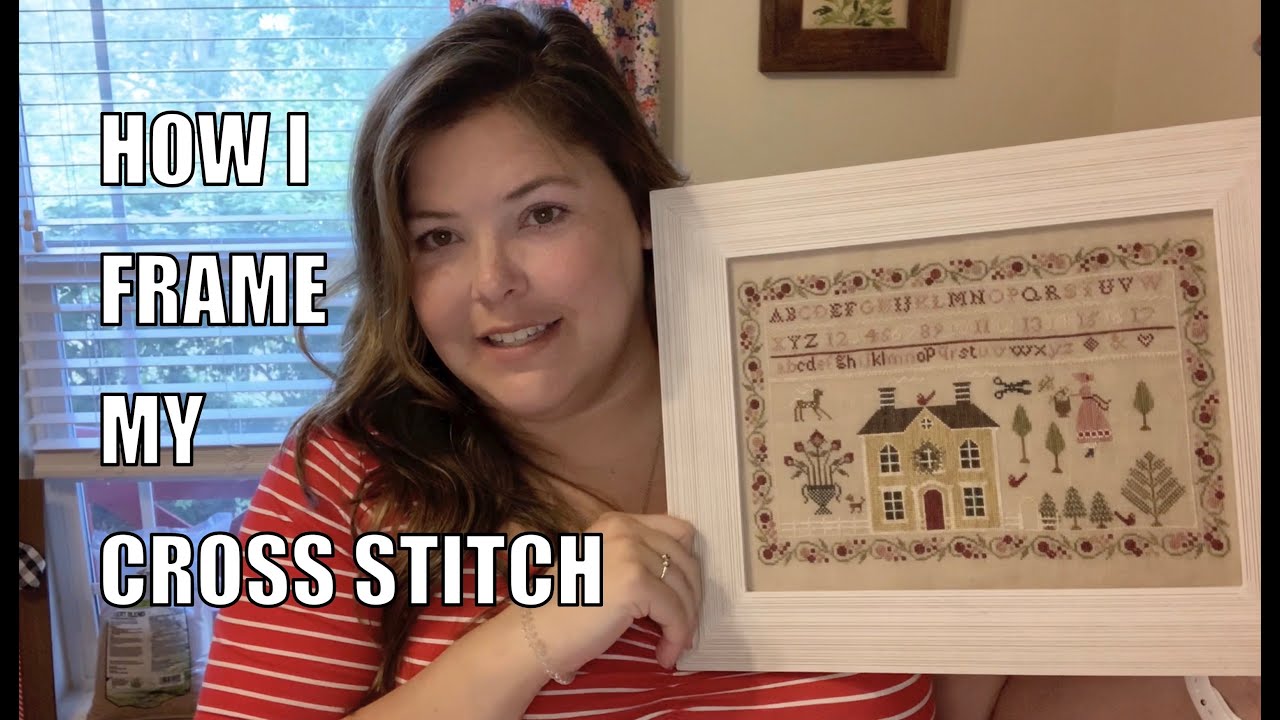
The needle dances across the fabric, creating intricate patterns and vibrant scenes with each carefully placed stitch. A labor of love unfolds, transforming simple threads into a testament to patience and creativity. The finished artwork becomes more than just a craft project; it is a tangible expression of artistry, a reflection of dedication, and a source of immense personal satisfaction.
Historically, needlework has served as both a practical skill and a form of artistic expression across cultures and generations. From ancient tapestries that narrated grand stories to delicate samplers that showcased a young woman’s accomplishments, embroidery techniques have been employed to adorn clothing, embellish household items, and document the world around us. This rich heritage continues to inspire contemporary crafters, adding depth and meaning to their own creations.
One of the alluring aspects of cross-stitch is its accessibility. Whether a novice seeking a relaxing hobby or an experienced artist pursuing a detailed masterpiece, the craft offers something for everyone. The basic principles are easily grasped, allowing beginners to quickly achieve rewarding results, while advanced stitchers can explore intricate designs and personalized adaptations to challenge their skills.
While traditional motifs remain popular, the world of cross-stitch continues to evolve. Modern patterns incorporate bold colors, whimsical themes, and contemporary designs, reflecting the diverse interests and aesthetics of today’s crafters. From minimalist geometric patterns to intricate portraits and pop culture references, there is a cross-stitch style to suit every taste and personality. The options for personal expression are endless.
With the final stitch completed, the focus shifts to preserving and displaying the handcrafted creation. The manner in which this artwork is presented significantly enhances its visual impact and longevity, transforming it from a finished piece into a cherished heirloom. The next crucial steps involve selecting the ideal presentation method, to ensure the cross-stitch shines for generations to come.
Fabric Preparation
The journey of a cross stitch often culminates in the careful selection of a frame, but the story truly begins long before. Fabric preparation is a foundational element, directly impacting the finished piece’s appearance and longevity. Treating the fabric with care prior to framing sets the stage for a professional and visually appealing display.
-
Washing & Ironing
Just as a painter primes a canvas, cleaning and smoothing the cross stitch fabric is crucial. Washing removes any oils or dirt accumulated during the stitching process, while ironing eliminates creases and wrinkles. A pristine fabric ensures the finished piece lies flat and presents a polished appearance within the frame. Example: a dark coffee stain would ruin an otherwise gorgeous piece, and it becomes permanent if framed without washing.
-
Centering the Design
Accurate centering prevents a lopsided or unbalanced appearance within the frame. Before lacing or mounting the fabric, careful measurements and adjustments will guarantee that the focal point of the design is perfectly positioned. This attention to detail elevates the overall composition. Example: Measuring the Aida cloth before and during cross stitching process.
-
Edge Finishing
Raw edges are prone to fraying, which can compromise the integrity of the fabric over time and create an untidy look within the frame. Securing the edges through serging, zigzag stitching, or applying a fray-stopping solution prevents unraveling and provides a clean, professional finish. Example: Damage on the edges due to fraying will ruin the overall project.
-
Avoiding Distortion
Uneven tension during washing or ironing can distort the fabric weave, resulting in a warped or misshapen final product. Gentle handling and even pressure during preparation help to maintain the fabric’s original shape and ensure it fits properly within the frame. This is specially important when using steam iron.
Ultimately, meticulous fabric preparation is an investment in the lasting beauty of the cross stitch. By addressing these elements before framing, the artist ensures that the finished piece is not only visually stunning but also structurally sound, ready to be admired and cherished for years to come. The care taken at this stage significantly contributes to the overall impact and value of the framed artwork.
Mounting Methods
The mounting process breathes life into a completed cross stitch, providing a stable and visually appealing foundation for display within its frame. Selecting the appropriate mounting method safeguards the fabric, prevents unsightly sagging or wrinkles, and ultimately enhances the presentation of the artistry within. This stage is an art in itself, contributing significantly to the overall impact of the finished piece.
-
Lacing
Lacing involves carefully securing the cross stitch fabric to a rigid backing board using thread. This method provides a taut and even surface, minimizing wrinkles and allowing the design to take center stage. By gently pulling and stitching the fabric to the board’s edges, lacing ensures the piece remains perfectly positioned within the frame. Example: Applying the correct tension makes the image to look perfect.
-
Stretching
Stretching involves wrapping the cross stitch fabric around a stretcher bar frame. This method is particularly suited for larger or more intricate designs, providing a robust and professional-looking finish. As the fabric is pulled taut around the bars and secured, the design achieves a gallery-worthy appearance. Example: Avoid the uneven stretching to avoid distortion.
-
Adhesive Mounting
Adhesive mounting involves using acid-free tapes or glues to adhere the cross stitch fabric to a backing board. While this method can be quicker than lacing or stretching, careful attention must be paid to ensure the adhesive is archival quality and will not damage the fabric over time. Proper application prevents bubbling or warping, maintaining the piece’s pristine appearance. Example: Applying too much adhesives will show on the fabric.
-
Needlepoint Mounting
Needlepoint mounting is a specific technique to professionally install the fabrics into the frame by using needles. While this method provides a great finish, make sure to follow proper guidance to prevent damage to the needlepoint art.
Ultimately, the chosen mounting method becomes an integral component of the presentation of the cross stitch. Whether through the meticulous tension of lacing, the robust support of stretching, or the careful application of adhesive, each technique contributes to the artwork’s visual impact and long-term preservation. The mounting process not only secures the fabric but also elevates the cross stitch to its full potential as a cherished piece of art, ready to grace a wall and bring joy for years to come.
Frame Selection
The selection of a frame is far more than a mere finishing touch; it’s an integral chapter in the complete narrative of “how to frame a cross stitch.” It’s the pivotal moment where the artistry of the stitching meets the artistry of presentation. A well-chosen frame acts as a visual bridge, connecting the intricate details of the cross stitch to its surrounding environment, amplifying its beauty and ensuring its longevity. The frame doesn’t just contain the piece; it complements it, enhancing its colors, highlighting its textures, and providing a crucial layer of protection against dust, light, and physical damage. Think of a vibrant floral cross stitch framed in rustic wood, instantly evoking a sense of country charm, or a modern geometric design showcased in sleek metal, echoing its contemporary aesthetic. The wrong frame, conversely, can detract from the artwork, overshadowing its beauty or clashing with its style, thereby diminishing the overall impact.
The practical considerations of frame selection extend beyond aesthetics. Factors such as the frame’s material, depth, and the inclusion of glazing (glass or acrylic) play a significant role in preserving the cross stitch for years to come. Acid-free matting, for example, is essential to prevent discoloration and degradation of the fabric over time. Similarly, UV-protective glazing can shield the delicate threads from fading caused by sunlight. The depth of the frame must also be sufficient to accommodate the mounted cross stitch, ensuring it sits securely and does not press against the glazing. Custom framing offers the greatest flexibility in meeting these specific needs, allowing for a tailored solution that perfectly complements the artwork and protects it from environmental factors. For instance, a delicate antique cross stitch would benefit from archival-quality materials and UV-protective glazing to safeguard its historical value.
In summary, “how to frame a cross stitch” culminates in the careful and thoughtful selection of a frame. This decision profoundly impacts both the visual appeal and the long-term preservation of the artwork. By considering factors such as style, material, depth, and protective features, the frame becomes an active participant in the narrative, elevating the cross stitch from a finished craft to a cherished heirloom. The challenges inherent in frame selection are readily overcome with informed decision-making, ultimately transforming the framing process into a rewarding endeavor that honors the artistry and dedication poured into each stitch.
What Youll Need
- Finished Cross Stitch: Your beautiful creation, ready to be showcased!
- Frame: Choose one that complements your design size, style, and color are key.
- Acid-Free Backing Board: Essential for preventing discoloration over time. Get one slightly larger than your cross stitch.
- Acid-Free Mat Board (Optional): Adds a professional touch and creates space between the cross stitch and the glass.
- Glazing (Glass or Acrylic): Protects your cross stitch from dust, UV rays, and accidental damage.
- Lacing Cord or Strong Thread: For securing the cross stitch to the backing board. Linen or cotton thread is a good choice.
- Needle: A long, sturdy needle for lacing.
- Scissors: Sharp scissors for trimming fabric and thread.
- Ruler or Measuring Tape: Ensures accurate centering and alignment.
- Pencil: For marking the backing board (lightly!).
- Pins: To hold the fabric in place while lacing (optional).
- Staple Gun (Optional): If you prefer stretching the fabric around a wooden frame.
- Acid-Free Tape (Optional): For securing the edges of the fabric to the backing board.
- Gloves (Optional): To prevent transferring oils from your hands to the fabric.
Preparation Tips
Before you start, make sure your cross stitch is clean, ironed, and centered. A little prep goes a long way in achieving a professional-looking finish. Inspect your cross stitch for any loose threads or imperfections and trim them carefully.
Set up your workspace in a well-lit area with a comfortable chair. Good lighting is crucial for seeing the details of your work, and a comfortable posture will prevent fatigue. Gather all your tools and materials before you begin to minimize distractions. If you’re using a new type of frame or material, consider doing a small test run on a scrap piece of fabric to get a feel for the process. Remember, patience is key enjoy the process!
Step-by-Step Instructions
Step 1
Ensure your finished cross stitch is clean and wrinkle-free. Gently hand wash with a mild detergent if needed, then iron on a low setting, placing a clean cloth between the iron and the cross stitch to protect the delicate stitches.
Step 2
Lay your cross stitch face down on a clean, flat surface. Carefully center the design on the acid-free backing board. Trim the excess fabric, leaving approximately 1-2 inches of fabric extending beyond each edge of the backing board.
Step 3
Thread your needle with lacing cord or strong thread. Starting on one side of the backing board, bring the fabric edge over the board and begin lacing it to the opposite side. Pull the cord taut but not so tight as to distort the design. Repeat on the remaining sides, working your way around the board, ensuring even tension.
Step 4
Once all sides are laced, tie off the lacing cord securely. Trim any excess cord. The cross stitch should now be taut and smooth against the backing board.
Step 5
Carefully insert the laced cross stitch and backing board into the frame. If using mat board, position it between the cross stitch and the glazing. Ensure everything fits snugly and securely within the frame.
Step 6
Most frames have flexible tabs or points on the back to hold everything in place. Bend these tabs inward to secure the backing board and cross stitch within the frame. If the tabs are not strong enough, you can use framer’s points to secure the backing.
Step 7
Use a soft, lint-free cloth to clean the inside and outside of the glazing (glass or acrylic). This removes any fingerprints or dust that may have accumulated during the framing process.
Step 8
Your framed cross stitch is now ready to be displayed! Hang it in a place where it can be appreciated and enjoyed. Avoid direct sunlight to prevent fading over time.
Taking your cross stitch from a finished piece to a framed masterpiece is a truly rewarding experience. It’s the final step in transforming your hard work and creativity into a cherished piece of art you can proudly display. The process itself can be quite enjoyable, allowing you to put the same level of care and attention into presentation as you did into the stitching itself.
What you’ve created is more than just a craft; it’s a tangible representation of your skill, patience, and artistic vision. Framing it properly not only protects your creation but also elevates it to a whole new level of beauty and significance. It’s a way of honoring your efforts and showcasing your unique style.
Now it’s your turn! Give these steps a try and see the difference a well-framed cross stitch can make. We’d absolutely love to see your results, so please share your photos or leave a comment below to tell us about your experience. Your creations might just inspire others to pick up a needle and thread!
Happy stitching!
Images References :
Image used for illustration purposes only. All rights belong to their respective owners.


