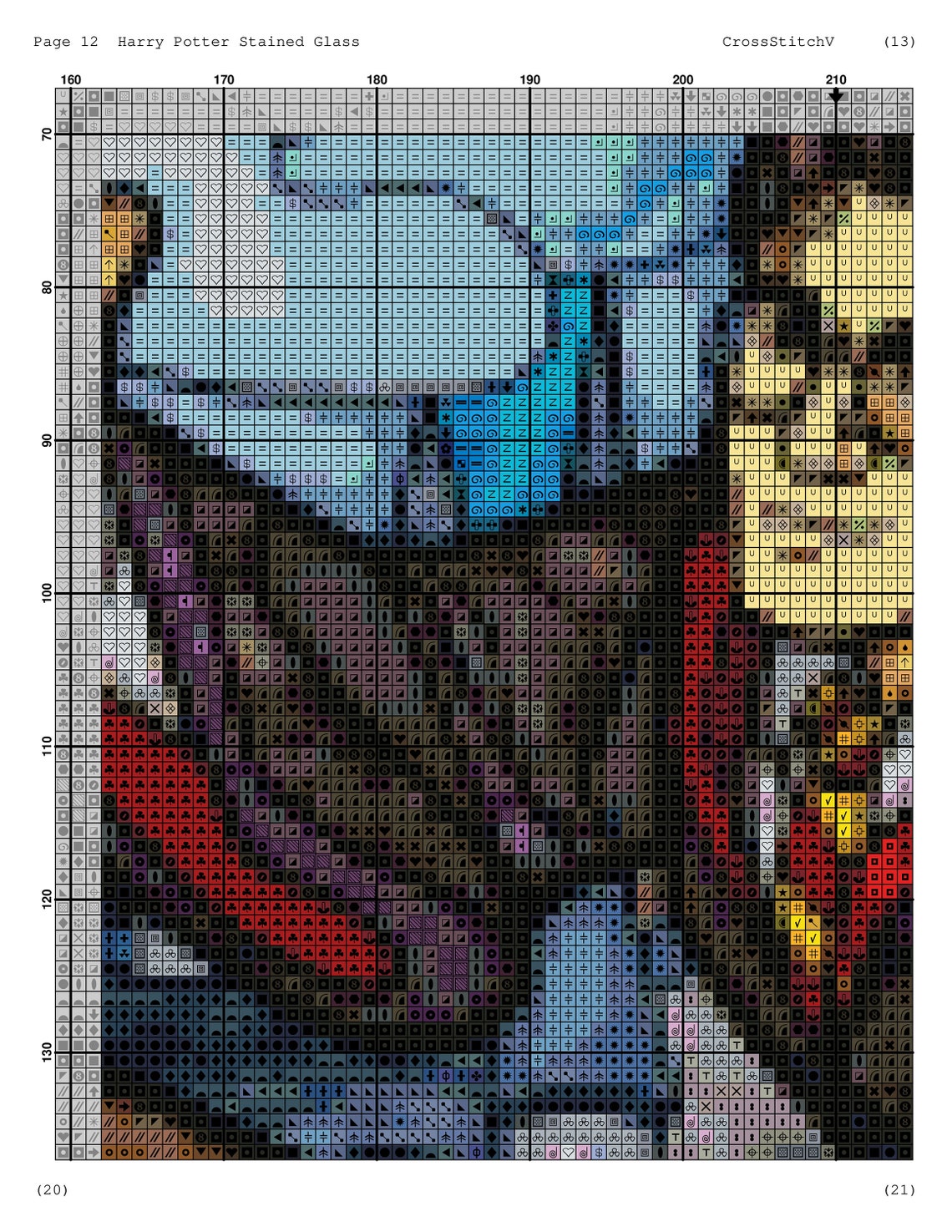
Imagine threads of vibrant color dancing across a crisp canvas, gradually forming iconic imagery and beloved characters. The rhythmic motion of the needle becomes a meditative practice, each stitch a step closer to revealing a miniature masterpiece. The finished product, a testament to patience and skill, captures a beloved narrative in a tangible and timeless form, bringing a touch of magic into the everyday.
Needlework, in its many forms, boasts a rich and fascinating history, tracing back centuries across diverse cultures. From ancient tapestries depicting epic battles to delicate samplers showcasing intricate techniques, the art of embellishing fabric has long served as a powerful means of storytelling and self-expression. This legacy continues today, connecting artisans with a time-honored tradition while simultaneously fostering individual creativity.
The accessible nature of this particular craft makes it a delightful pursuit for both novices and seasoned stitchers. With readily available materials and straightforward techniques, anyone can embark on a fulfilling creative journey. The satisfaction of transforming a simple chart into a detailed work of art is immense, proving that artistic expression is within everyone’s reach.
Adaptable to various skill levels and aesthetic preferences, designs range from simple, charming motifs to elaborate, multi-layered scenes. Whether one prefers traditional, realistic representations or whimsical, stylized interpretations, the possibilities are endless. The craft constantly evolves with the integration of new techniques, color palettes, and thematic influences, ensuring a vibrant and dynamic landscape for artistic exploration.
The following guide delves into the enchanting world of these enchanting designs, offering insights, tips, and inspiration to help bring favorite characters and iconic moments to life, one stitch at a time. From selecting the perfect fabric and thread to mastering essential techniques, prepare to embark on a creative adventure filled with magic and artistic fulfillment.
Iconic Imagery
The tapestry of the wizarding world is rich with imagery, each element imbued with meaning and memory for fans. Recreating these symbols through “harry potter counted cross stitch patterns” allows enthusiasts to not only express their love for the series but also to imbue their craft with the essence of the stories they cherish.
-
Characters as Central Figures
Harry Potter, Hermione Granger, Ron Weasley, and other beloved characters become focal points. Their distinctive features, costumes, and expressions translate into patterns that capture their essence, serving as instantly recognizable emblems of the narrative. From Harry’s scar to Hermione’s bushy hair, each detail contributes to the overall charm and faithfulness of the design.
-
Symbolic Objects and Creatures
The Golden Snitch, the Sorting Hat, wands, and various magical creatures like Hedwig or the Patronus each hold unique significance. Stitching these elements transforms them into tangible representations of the magical world, evoking specific scenes and emotional connections for those familiar with the lore. The inclusion of such elements infuses the creation with depth and resonates deeply with enthusiasts.
-
Hogwarts Houses and Crests
The four houses of Hogwarts Gryffindor, Hufflepuff, Ravenclaw, and Slytherin provide a framework for loyalty and identity within the series. Each house crest, with its distinct animal and color scheme, offers a way to celebrate personal affiliations or favorite qualities. These emblems become symbols of belonging and pride, translating well into cross-stitch projects that showcase house spirit.
-
Spells and Potions
Iconic spells like “Expecto Patronum” or essential potions ingredients can be visually represented through stylized lettering or symbolic imagery. These add a layer of magical authenticity and serve as subtle nods to key moments within the books and films. Integrating such elements allows stitchers to craft intricate and nuanced projects that capture the essence of the wizarding world.
These iconic images, meticulously rendered in thread, offer a powerful connection to the cherished world. They serve as both a testament to the enduring magic of the stories and a personal expression of appreciation for the characters, settings, and themes that resonate so deeply within the hearts of fans. Each stitch becomes a tribute, transforming simple materials into cherished keepsakes and artistic representations of the wizarding realm.
Color Palettes
The careful selection and application of color plays a vital role in bringing “harry potter counted cross stitch patterns” to life. Color choices directly influence the mood, realism, and overall impact of the finished piece. The right combination can evoke the warmth of the Gryffindor common room, the eerie mystique of the Forbidden Forest, or the imposing grandeur of Hogwarts Castle. Conversely, a poorly chosen palette can flatten the image, misrepresent iconic elements, and detract from the intended effect. Thus, understanding the interplay between color and design is crucial for achieving a successful and evocative representation of the wizarding world.
Specific examples demonstrate the power of color selection. A depiction of Dumbledore might utilize shades of purple, silver, and white to convey his wisdom and ethereal presence. A scene from a Quidditch match would benefit from the vibrant reds and golds of Gryffindor against the blues and bronzes of Ravenclaw, creating a dynamic contrast. In creating an image of a specific character, accurate representation can be assisted with sites like “coolors.co”, which can show different color palettes by uploading your favorite picture. Darker, more muted tones might be employed for settings like the dungeons or scenes involving darker magic, while brighter, warmer hues would suit celebratory moments or characters associated with light and hope. The color choices dictate emotional resonance and contribute greatly to the narrative storytelling within the cross stitch piece.
In essence, color palettes in “harry potter counted cross stitch patterns” act as a bridge between the source material and the craftsperson’s artistic interpretation. They determine the aesthetic appeal, convey subtle nuances, and ultimately shape the viewer’s experience. By thoughtfully curating and implementing a color scheme that respects the source material while also allowing for individual expression, stitchers can transform simple thread into a compelling visual narrative, celebrating the enduring magic and beloved characters of the wizarding world. It is a challenge to balance accuracy with artistic liberty, but the rewards for mindful color selection are undeniably significant in crafting a truly captivating piece.
Stitch Techniques
The artistry inherent in “harry potter counted cross stitch patterns” relies significantly on the mastery of stitch techniques. The choices made regarding how stitches are executed, combined, and layered directly impact the visual texture, detail, and overall quality of the finished piece. It’s through these techniques that characters gain depth, landscapes acquire dimension, and magical effects come alive within the confines of the fabric.
-
The Basic Cross Stitch: Foundation of Fidelity
The fundamental cross stitch, formed by two intersecting diagonal stitches, serves as the bedrock of most patterns. Consistency in stitch direction and tension is paramount, ensuring a uniform texture that allows the design to shine. Variations in color and placement of this stitch determine the shading, highlights, and fine details crucial for rendering accurate representations of characters, creatures, and settings. Think of Harry’s scar, perfectly captured by a few well-placed cross stitches in a contrasting color.
-
Fractional Stitches: Defining Delicate Details
To achieve finer details and curved lines, fractional stitches (such as half or quarter stitches) become indispensable. These techniques allow for smoother transitions between colors, creating more nuanced shading and preventing the jagged edges that can sometimes result from relying solely on full cross stitches. A half stitch might define the subtle curve of Hermione’s smile, while quarter stitches can add a sense of depth to the folds of robes.
-
Backstitch: Outlining and Emphasizing Key Elements
The backstitch, a simple yet powerful technique, is often used to create outlines and add definition to specific elements. It serves as a sharp contrast to the filled areas created by cross stitches, emphasizing edges, adding clarity, and highlighting intricate details that might otherwise be lost. The bold black outline of Harry’s glasses, for example, is often achieved through backstitching, immediately drawing the eye to this iconic feature.
-
Specialty Stitches: Adding Texture and Dimension
While not always necessary, incorporating specialty stitches such as French knots or seed stitches can add unique texture and visual interest to a piece. These stitches can represent small details like freckles, sparkle in eyes, or intricate patterns on clothing. When judiciously used, specialty stitches can elevate the overall impression, adding a layer of sophistication and realism to the scene.
Ultimately, the successful execution of “harry potter counted cross stitch patterns” hinges on a thoughtful combination of these techniques. Whether striving for photographic realism or embracing a more stylized interpretation, the choice of stitch and how it is applied dictates the final outcome. By mastering these foundational techniques and exploring the possibilities within each, stitchers can transform simple threads into captivating works of art that celebrate the magic and wonder of the wizarding world.
Pattern Complexity
The world of “harry potter counted cross stitch patterns” offers a wide range of projects, inviting stitchers of all skill levels to participate. The term “pattern complexity” encompasses the various factors that determine the challenge and time commitment involved in creating a piece. Understanding these elements allows enthusiasts to select projects that align with their current capabilities and gradually expand their skill set.
-
Stitch Count and Size
A primary factor influencing complexity is the overall stitch count and dimensions of the finished piece. Larger patterns naturally demand more time and require greater attention to detail. A simple, small motif like Harry’s lightning bolt scar may involve a few hundred stitches, while a full-scale depiction of Hogwarts castle could easily require tens of thousands. The sheer scale can be daunting for beginners, making smaller, more manageable projects a prudent starting point. Examples such as bookmarks or small framed pieces are a good place to start.
-
Number of Colors
The number of different colors used in a pattern directly impacts its complexity. A pattern with only a few colors is generally easier to manage, requiring fewer thread changes and less need for meticulous color matching. Conversely, patterns with a wide range of colors demand precise attention to the color key and careful placement of each stitch to achieve accurate shading and detail. Intricate portraits or landscapes often utilize a vast spectrum of colors, contributing to their overall complexity. Consider the subtle gradients needed to capture the shading of Dumbledore’s beard or the textures of the Forbidden Forest.
-
Use of Fractional and Specialty Stitches
As discussed earlier, the incorporation of fractional stitches (half, quarter, and three-quarter stitches) and specialty stitches (French knots, seed stitches, etc.) significantly increases the complexity of a pattern. These techniques are often employed to create finer details, smoother curves, and more nuanced textures. While adding a layer of realism and visual interest, they also require a higher level of skill and precision. Patterns relying heavily on these techniques are best suited for experienced stitchers seeking a greater challenge. A pattern that outlines Hedwig with backstitch will be more advanced than basic blocks of color.
-
Chart Readability and Format
The clarity and organization of the pattern chart itself can also impact complexity. Well-designed charts use clear symbols, easy-to-read grids, and separate sections for backstitching and specialty stitches. Conversely, poorly designed charts with cluttered symbols, unclear instructions, or missing information can add frustration and confusion, even for experienced stitchers. The chart is like the roadmap, and it’s difficulty has a direct relation to the complexity of the overall project.
In conclusion, pattern complexity within “harry potter counted cross stitch patterns” is a multifaceted concept encompassing stitch count, color palette, stitch techniques, and chart design. By carefully considering these factors, stitchers can choose projects that align with their skill level and desired level of challenge, ensuring a rewarding and enjoyable creative experience. The journey through the wizarding world, one stitch at a time, can be tailored to individual preferences, fostering a lifelong passion for this captivating craft. One might consider starting with a very simple Hogwarts House Crest, and moving up to a Patronus, before attempting the full splendor of Hogwarts Castle in winter.
What Youll Need
-
Aida Cloth: Your Canvas
Aida cloth is the foundation. It’s a woven fabric with evenly spaced holes, making it perfect for creating neat cross stitches. The “count” of the Aida cloth (e.g., 14-count, 16-count) refers to the number of stitches per inch. A lower count results in larger stitches and a bigger finished design, while a higher count creates smaller, more detailed results. 14-count is a great starting point for beginners.
-
Embroidery Floss: The Magic In The Thread
Embroidery floss is typically made of cotton and comes in a vast array of colors. Each “harry potter counted cross stitch patterns” pattern will provide a color key, specifying the exact shades of floss needed (often using DMC or Anchor color codes). It’s best to buy high-quality floss to prevent fraying and ensure vibrant, long-lasting results. Consider investing in a floss organizer to keep your threads neatly separated and easy to access.
-
Embroidery Hoop or Frame: Keeping it Tight
An embroidery hoop (or a frame, for larger projects) is essential for keeping the Aida cloth taut while you stitch. This prevents puckering and ensures even stitches. Hoops come in various sizes and materials (wood, plastic, etc.). Choose a size that comfortably accommodates the area you’re working on. You can also use a Q-snap frame, which holds the fabric taught on the sides of the frame, rather than the entire outer perimeter like a hoop.
-
Needles: The Point of it All
You’ll need tapestry needles, which have blunt tips to avoid splitting the Aida cloth threads. The size of the needle should correspond to the count of your Aida cloth; larger count fabrics require smaller needles. A size 24 or 26 tapestry needle is generally suitable for 14-count Aida. Having several needles on hand is useful, especially when working with multiple colors.
-
Scissors: Snipping Cleanly
Small, sharp scissors are crucial for precisely cutting the floss. Embroidery scissors are ideal due to their fine, pointed blades. Avoid using dull scissors, as they can fray the floss and create uneven ends. Have a dedicated pair just for your cross-stitch projects.
-
Pattern: Your Guide to Wizardry
The “harry potter counted cross stitch patterns” pattern is your map. It will typically consist of a chart with symbols representing different floss colors, a color key listing the floss colors and their corresponding symbols, and instructions on how to execute the stitches. Ensure your pattern is clear and easy to read, whether it’s a printed copy or a digital file.
-
Optional: Needle Minder
A needle minder is a decorative magnetic accessory that holds your needle when you’re not actively stitching, preventing you from losing it or accidentally poking yourself. It’s a helpful and stylish addition to your toolkit.
-
Optional: Good Lighting
Good lighting is essential for any cross-stitch project. A well-lit workspace will reduce eye strain and allow you to see the details of your pattern and stitches more clearly. Consider using a daylight lamp to simulate natural light, especially when working in the evenings.
Preparation Tips
Prepping Your Fabric: Smoothing the Way
Before you start stitching, it’s a good idea to prepare your Aida cloth. First, find the center of your fabric and your pattern. You can easily find the center of the fabric by folding it in half vertically and then horizontally, pressing lightly to mark the center point with a crease. Then, use that center-point on your fabric to match with the center-point on your pattern. Overcast the raw edges with a zig-zag stitch on a sewing machine, or use masking tape around the edges to prevent fraying during the stitching process. Secure the fabric in your embroidery hoop, ensuring it is taut but not stretched excessively.
Organizing Your Threads: A Colorful Arrangement
Before beginning, sort the embroidery floss according to the color key provided in the pattern. Cut each color into manageable lengths (about 18 inches is a good starting point). Use a floss organizer, bobbins, or small plastic bags to keep the colors separated and labeled. This will save you time and frustration as you stitch. As mentioned before, using a website like “coolors.co” to help organize the colors of similar-colored threads is a good idea.
Comfort and Safety: Stitching Smart
Create a comfortable and well-lit workspace. Sit in a supportive chair and maintain good posture to avoid back and neck strain. Take regular breaks to stretch and rest your eyes. Ensure that children and pets are kept away from needles and small floss pieces. With a little preparation, you can create a setup that promotes relaxation and enjoyment.
Step-by-Step Instructions
Step 1
Find the center of your Aida cloth by gently folding it in half vertically, then horizontally. Lightly press at the fold to create a small crease marking the center. This is your starting point. Secure the Aida cloth tautly within your embroidery hoop, ensuring the center mark remains visible.
Step 2
Consult your “harry potter counted cross stitch patterns” chart and identify the first color you’ll be using. Cut a length of embroidery floss (about 18 inches is a good length to manage). Most cross stitch is worked with two strands of floss. Separate the six strands of your embroidery floss. Pull out two strands and thread them through the eye of your tapestry needle.
Step 3
Starting at the center point you marked on your fabric, locate the corresponding starting point on your pattern chart. Bring your needle up through the bottom left hole of the square you’re stitching. Then, take the needle diagonally across the square and down through the top right hole. This completes the first half of the cross stitch ( / ).
Step 4
Now, bring the needle up through the bottom right hole of the same square. Take the needle diagonally across and down through the top left hole. This completes the cross stitch ( X ). Ensure that all your top stitches are slanted in the same direction for a neat, uniform appearance.
Step 5
Continue following the pattern chart, stitching each cross stitch in the designated color until you complete a row or section. Maintain consistent tension to avoid puckering or loose stitches. When moving to an adjacent stitch, try to avoid carrying the floss across the back of the fabric for more than a few squares, as this can create bulk and show through on the front.
Step 6
When you need to change to a new color, secure the existing floss by running the needle under several stitches on the back of your work and trim the excess. Thread your needle with the new color, following the same process as before. Ensure that the beginning and ending tails of the floss are securely woven under existing stitches to prevent them from coming loose.
Step 7
Carefully follow the pattern chart, stitch by stitch, color by color. It’s helpful to mark off completed stitches on the chart as you go, using a highlighter or pencil, to avoid errors. Pay close attention to the symbols and color key to ensure you’re using the correct floss and placing the stitches accurately.
Step 8
Many “harry potter counted cross stitch patterns” incorporate backstitching to add outlines and definition. Once you’ve completed the cross-stitching, thread your needle with the appropriate color for backstitching. Bring the needle up at the start point of a line, then take it down one stitch length away. Continue in this manner, creating a continuous, straight line. Backstitch can be slightly curved or straight, depending on what the pattern calls for.
Step 9
Once you’ve completed all the stitching, remove the Aida cloth from the hoop. Gently hand wash the piece in cool water with a mild detergent to remove any oils or dirt. Lay it flat to dry on a clean towel, away from direct sunlight. Once dry, iron the back of the piece on a low setting to remove any wrinkles.
Step 10
Frame your finished cross-stitch in a hoop, picture frame, or other creative display. You can also turn it into a decorative pillow, ornament, or patch. Enjoy your creation! You’ve successfully brought a piece of the wizarding world to life through the art of cross-stitch.
Embarking on a “harry potter counted cross stitch patterns” project is like stepping into a world of magic and creativity, one stitch at a time. It’s more than just a craft; it’s an opportunity to reconnect with beloved characters and stories, transform simple threads into cherished keepsakes, and experience the calming rhythm of needle and thread. The sense of accomplishment you’ll feel as your chosen image comes to life is truly rewarding, offering a tangible reminder of your dedication and artistry.
The creative value of this craft lies not only in the final product but also in the process of making. It’s a mindful activity that encourages patience, attention to detail, and a deep appreciation for the artistry involved in bringing imaginative worlds to life. Each stitch is a deliberate choice, a small act of creation that contributes to a larger, more meaningful whole.
We wholeheartedly encourage you to dive into the world of “harry potter counted cross stitch patterns” and discover the joy of this enchanting craft. Don’t be afraid to experiment with colors, adapt patterns to your personal style, and let your imagination soar. We’d absolutely love to see your finished pieces! Share your photos with us, tell us about your experience, or leave a comment with any questions you might have. Your creativity is inspiring, and we can’t wait to see what you create!
Happy Stitching!
Images References :
Image used for illustration purposes only. All rights belong to their respective owners.


