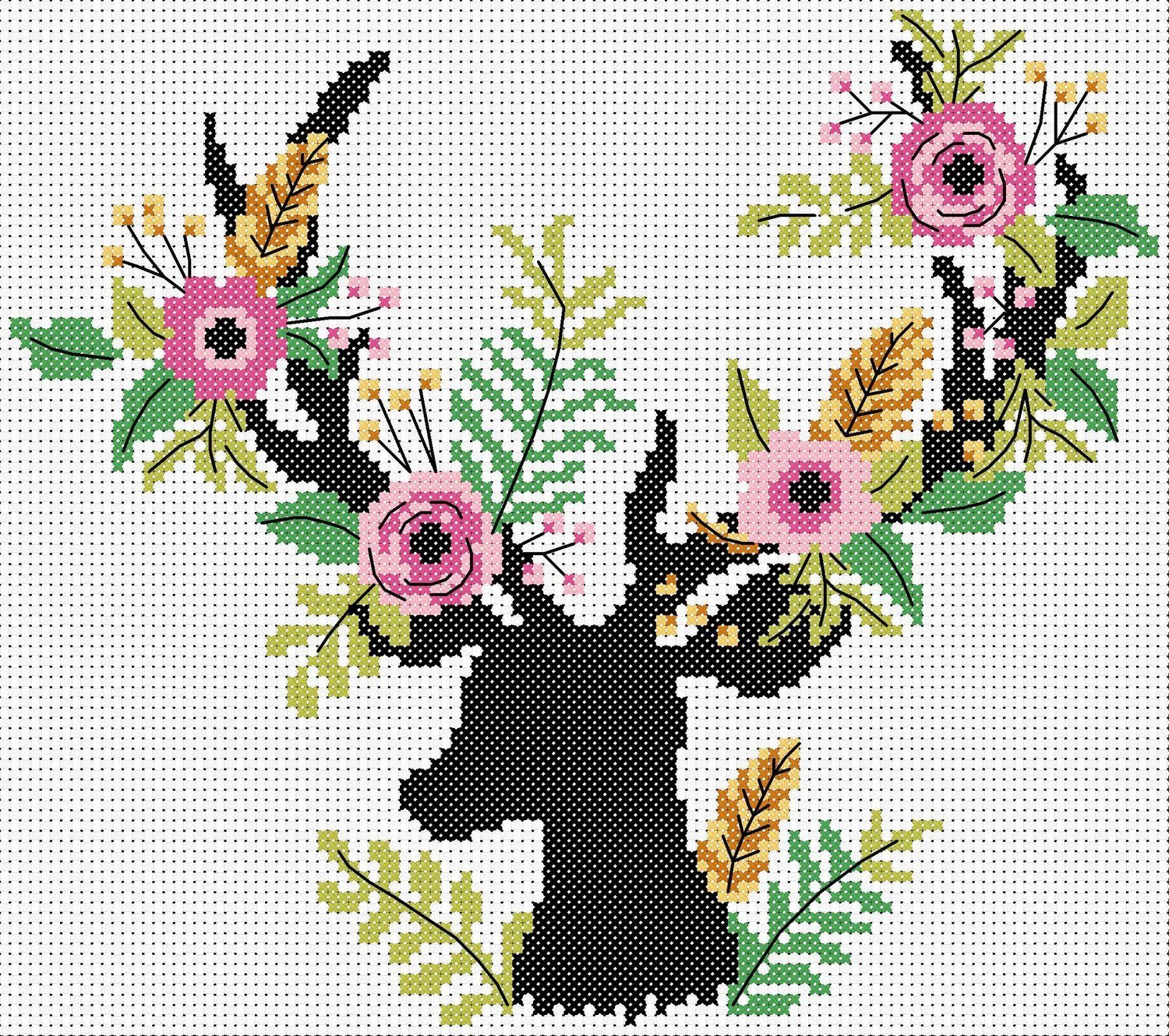
Imagine transforming cherished memories into tangible art, each stitch a deliberate brushstroke painting a personalized tapestry. The vibrant colors and intricate textures offer a unique way to capture the essence of beloved photographs, preserving them in a form that transcends the digital realm and becomes a treasured heirloom. This craft invites a deep connection with both the image and the creative process, fostering a sense of calm focus and artistic fulfillment.
Needlework has a rich and diverse history, stretching back centuries across numerous cultures. From the meticulously crafted tapestries of medieval Europe to the intricate samplers of colonial America, the art of embroidery has always served as a means of storytelling, self-expression, and the preservation of cultural heritage. Adapting this time-honored tradition to personalized imagery connects modern artisans with the legacy of creative expression through thread and needle.
The beauty of this approach lies in its accessibility. Whether a seasoned stitcher or a curious beginner, the process can be tailored to individual skill levels. Simple designs and readily available materials make it an ideal entry point for exploring the world of needlecraft, while more complex projects offer experienced artisans a satisfying challenge and endless opportunities for creative exploration. The versatility ensures that anyone can embark on this fulfilling artistic journey.
From minimalist black and white portraits to vibrant landscapes bursting with color, the possibilities are as limitless as the imagination. Popular styles range from realistic renditions that capture every detail to abstract interpretations that emphasize color and texture. Modern trends often incorporate mixed media, blending traditional embroidery techniques with other crafting materials to create truly unique and eye-catching pieces.
This article explores the art of converting photographs into stitched masterpieces. The following sections provide a comprehensive guide, offering tips, techniques, and resources to help bring your vision to life, one stitch at a time. Discover the joy of transforming snapshots into lasting works of art that celebrate your most cherished moments.
Image Clarity
The quality of the initial photograph significantly influences the final appearance of a cross-stitched piece. A sharp, well-defined image provides the necessary foundation for creating a detailed and recognizable design. Without sufficient clarity, intricate details become blurred, making it difficult to translate the photo accurately into a stitched pattern.
-
Resolution and Detail
High-resolution images contain a greater number of pixels, allowing for the capture of finer details. When converting a low-resolution image, details such as facial features, textures, or intricate patterns can become lost or distorted during the pattern creation process. Conversely, a high-resolution photograph allows the pattern to retain more of the original image’s nuances, resulting in a more realistic and satisfying finished product.
-
Sharpness and Focus
A photograph with crisp focus ensures that lines and edges are well-defined. Blurry or out-of-focus areas can create ambiguity when generating the pattern, leading to unclear stitch placements and a less defined final result. Maintaining sharpness throughout the original image is crucial for accurately representing the subject matter in the cross-stitched design.
-
Lighting and Contrast
Proper lighting and adequate contrast contribute significantly to image clarity. Well-lit images with a clear distinction between light and dark areas enable the pattern creation software to accurately identify and differentiate individual elements. Poorly lit or low-contrast images may result in a pattern lacking depth and dimension, diminishing the overall impact of the cross-stitched artwork.
-
Digital Artifacts and Noise
Digital noise or compression artifacts can introduce unwanted distortions into an image, particularly in areas of subtle color variation. These imperfections can translate into erroneous stitches in the final pattern, detracting from the overall quality and accuracy of the cross-stitched representation. Starting with a clean, artifact-free image is essential for achieving a polished and professional-looking result.
Ultimately, the investment in a clear, high-quality photograph directly correlates with the fidelity and visual impact of the completed cross stitch project. By prioritizing image clarity, creators can ensure that their stitched masterpieces accurately capture the essence and beauty of the original image, transforming cherished memories into lasting works of art.
Color Palette
The selection of a color palette stands as a pivotal element in translating a photograph into a captivating cross stitch design. The chosen hues determine the mood, realism, and overall impact of the finished piece, acting as the emotional bridge between the source image and its stitched representation. A well-considered palette elevates the artwork, while a discordant selection can detract from the subject’s essence. Therefore, a thoughtful approach to color is crucial for realizing the full potential of a photographic cross stitch project.
-
Hue Accuracy and Realism
Achieving a realistic portrayal of a photograph hinges on accurately representing its colors. The cross stitch palette should closely mirror the original image’s hues, capturing subtle variations and tonal shifts. While exact color matching may be impossible due to limitations in thread availability, striving for close approximations ensures that the finished piece retains the character and vibrancy of the source photograph. Discrepancies in hue can alter the subject’s appearance, diminishing the overall realism and impact.
-
Emotional Impact and Mood
Colors evoke emotions and contribute significantly to the overall mood of an artwork. The cross stitch color palette can be intentionally manipulated to enhance or alter the emotional tone of the photograph. Warmer colors (reds, oranges, yellows) can impart a sense of joy, energy, or passion, while cooler colors (blues, greens, purples) can evoke feelings of calm, serenity, or melancholy. The careful selection and application of colors can imbue the stitched piece with a specific emotional resonance, adding depth and meaning to the artwork.
-
Contrast and Depth
Effective use of contrast within the color palette creates depth and dimension in the cross stitch design. By strategically placing lighter and darker shades, the artist can simulate shadows and highlights, enhancing the three-dimensionality of the subject. A well-balanced palette with sufficient contrast allows individual elements to stand out, preventing the design from appearing flat or washed out. Careful consideration of tonal values is essential for achieving a visually dynamic and engaging final product.
-
Thread Availability and Limitations
While a vast array of thread colors exists, practical limitations may constrain the available palette. Manufacturers offer specific ranges of colors, and achieving an exact match for every hue in the photograph may prove challenging. In such cases, creative problem-solving becomes essential. The artist may need to blend or layer threads to create custom shades, or employ color theory principles to select analogous colors that closely approximate the desired effect. Understanding the limitations of thread availability and developing strategies for overcoming them is crucial for maximizing the creative potential of the cross stitch medium.
The deliberate selection and application of a color palette serves as a cornerstone in the translation of photographs into cross stitch designs. By carefully considering hue accuracy, emotional impact, contrast, and thread availability, artisans can create stunning stitched artworks that capture the essence of the original image while imbuing it with their own artistic vision. The interplay of color and stitch transforms a simple photograph into a lasting testament of creativity and personal expression.
Stitch Density
Stitch density, in the realm of photographic cross stitch, dictates the level of detail and realism attainable within the finished piece. As the concentration of stitches increases within a given area, the resolution of the image improves, allowing for the subtle nuances and intricacies of the photograph to be more faithfully rendered. Conversely, a lower density creates a more impressionistic effect, simplifying details and emphasizing broad shapes and colors. The choice of stitch density directly impacts the visual outcome, transforming a pixelated pattern into either a sharply defined representation or an artfully stylized interpretation of the original photo. Imagine a portrait; a high stitch density captures the delicate lines around the eyes and the subtle curve of the lips, while a lower density might abstract those features into blocks of color, suggesting rather than depicting them precisely.
The selection of stitch density hinges on several factors, including the complexity of the photograph, the desired level of detail, and the skill of the stitcher. Intricate scenes with numerous fine details benefit from higher densities, allowing for greater accuracy in replicating the image. Simpler subjects, or those intended for a more artistic presentation, can thrive with lower densities, which often require less time and effort to complete. Fabric count also plays a crucial role, as higher count fabrics allow for finer stitches and greater detail. For example, a photograph featuring a complex landscape with foliage and intricate rock formations would demand a higher stitch density on a fine-count fabric to capture its natural intricacy. This careful balance ensures the final product reflects the essence of the photograph while remaining manageable and enjoyable to create.
In summary, understanding stitch density is paramount to achieving the desired outcome in a cross stitch pattern from a photograph. It represents the critical link between the initial image and the final stitched artwork. While higher densities allow for intricate detail and realism, lower densities offer a more artistic, simplified approach. The optimal density depends on the photograph’s complexity, the desired aesthetic, and the stitcher’s skill level. Recognizing this crucial interplay empowers the artist to make informed decisions, transforming ordinary photographs into cherished, personalized works of textile art. The challenge lies in finding the perfect equilibrium, allowing the stitches to breathe life into the photo and create a lasting visual narrative.
What You’ll Need
- Aida Cloth: This is your cross stitch canvas! Aida cloth has evenly spaced holes that make forming the “X” stitches easy. Choose a size that suits your pattern, considering the desired stitch density and final dimensions of your artwork. Common counts are 14, 16, and 18; higher numbers mean smaller stitches and greater detail.
- Embroidery Hoop or Frame: This holds your Aida cloth taut, making it easier to stitch and preventing the fabric from warping. Hoops come in various sizes and materials (wood, plastic). Select one that comfortably accommodates your design, and consider a stand if you prefer hands-free stitching.
- Embroidery Floss: This is the thread you’ll use to create your stitches. DMC and Anchor are popular brands that offer a wide range of colors. Your converted pattern will specify the exact floss colors needed; be sure to have these ready before you begin.
- Embroidery Needles: These needles have large eyes to accommodate multiple strands of floss and blunt tips to easily glide through the Aida cloth holes without snagging the fabric. Size 24 or 26 tapestry needles are typically recommended for Aida cloth.
- Scissors: Small, sharp embroidery scissors are essential for snipping threads neatly and precisely.
- Pattern: This is your guide! Whether digitally displayed on a tablet or printed on paper, your converted pattern will show you where to place each stitch and which color of floss to use.
- Needle Minder (Optional): This magnetic accessory helps keep your needle safe and secure when you’re not actively stitching, preventing it from getting lost or poking you.
- Good Lighting: Adequate lighting is crucial for preventing eye strain and ensuring you can clearly see the Aida cloth holes and the pattern. A daylight lamp is ideal, especially for stitching in the evening.
Preparation Tips
Before you start, gently wash and iron your Aida cloth to prevent shrinking or wrinkling later on. Once dry and ironed, find the center of your fabric by folding it in half lengthwise and then widthwise. Mark the center with a pin or a washable fabric marker; this will serve as your starting point for stitching.
Organize your embroidery floss! A popular method is to use floss bobbins, small plastic or cardboard cards onto which you wind each color of floss. Label each bobbin with the corresponding color number from your pattern. This keeps your floss tangle-free and easily accessible. Also make sure your posture is comfortable to avoid back strain or stiff neck.
Step-by-Step Instructions
Step 1
Begin by securing your Aida cloth in the embroidery hoop or frame. Ensure the fabric is taut like a drum, providing a stable surface for stitching. A properly tensioned fabric prevents puckering and helps create uniform stitches. If using a hoop, tighten the screw until the fabric feels firm and smooth.
Step 2
Locate the center of both your pattern and your Aida cloth. This is your starting point. On the Aida cloth, you’ve already identified it through folding. On the pattern, most commercially available patterns will indicate the center. Starting at the center allows you to ensure your design is evenly placed on the fabric, preventing it from running off the edges.
Step 3
Cut a length of embroidery floss, about 18 inches to start. Separate the floss into the number of strands specified in your pattern (usually 2 or 3). Thread your needle, bringing the two ends of the floss together. A needle threader can be helpful for this step. Avoid using extremely long lengths of floss as they can tangle more easily.
Step 4
Following your pattern, bring the needle up from the back of the Aida cloth at the lower left corner of the first stitch. Then, bring the needle down through the upper right corner. This completes half of the cross. Repeat this process, creating a row of half stitches if your pattern calls for it.
Step 5
Now, work back across the row, completing the crosses. Bring the needle up from the back of the Aida cloth at the lower right corner and down through the upper left corner. All your top stitches should be oriented in the same direction, creating a uniform and professional look. Consistency is key to a polished finish.
Step 6
When you run out of floss or need to change colors, secure the thread on the back of your work. Thread the needle through a few existing stitches on the back to anchor it. Trim the excess floss close to the fabric. Avoid making large knots, as they can create bulk and distort the fabric.
Step 7
Continue following the pattern, changing colors as needed. Use the “parking method” to secure loose ends in areas where the thread will be covered by future stitches. Make sure your crosses are aligned and each color segment is stitched according to the pattern instructions.
Step 8
Once you’ve completed all the stitching, remove the fabric from the hoop. Gently wash your finished piece in cool water with a mild detergent to remove any dirt or oils. Lay it flat to dry, and then iron it on a low setting with a towel placed between the fabric and the iron. Now it is ready to be displayed.
So, there you have it! Transforming a cherished photograph into a unique cross stitch masterpiece is a deeply rewarding experience. It combines the joy of crafting with the personal touch of immortalizing a special memory. The process itself can be incredibly therapeutic, allowing you to unwind and focus on the simple, rhythmic act of stitching.
Beyond the finished product, which serves as a beautiful and personalized keepsake, the real value lies in the creative journey. You’re not just replicating an image; you’re interpreting it, adding your own artistic flair, and preserving it in a tactile and meaningful way. Each stitch tells a story, creating a tangible link to the past.
We hope this guide has inspired you to try your hand at creating a cross stitch pattern from your own photos! Don’t be afraid to experiment and put your own spin on it. We’d absolutely love to see what you create, so please share your finished projects with us! Feel free to leave a comment or upload a photo we’re eager to see your unique stitched stories.
Happy stitching!
Images References :
Image used for illustration purposes only. All rights belong to their respective owners.


